


Quick Read
- The 2026 Nissan Leaf is reborn as a sleek crossover, leaving its hatchback roots behind.
- With a range of up to 300 miles and faster charging, it addresses past shortcomings.
- Modern features include dual displays, wireless tech, and ProPilot Assist.
- Expected to remain affordable, the Leaf aims to compete in the growing EV market.
The Nissan Leaf, a trailblazer in the electric vehicle (EV) market, is stepping into the future with its third-generation model. Unveiled recently, the 2026 Nissan Leaf has undergone a striking transformation, evolving from its quirky hatchback origins to a sleek and modern crossover. With enhanced range, improved charging capabilities, and a host of cutting-edge features, this new Leaf aims to make waves in the EV market when it arrives in the fall of 2025.
A Bold New Look for the 2026 Leaf
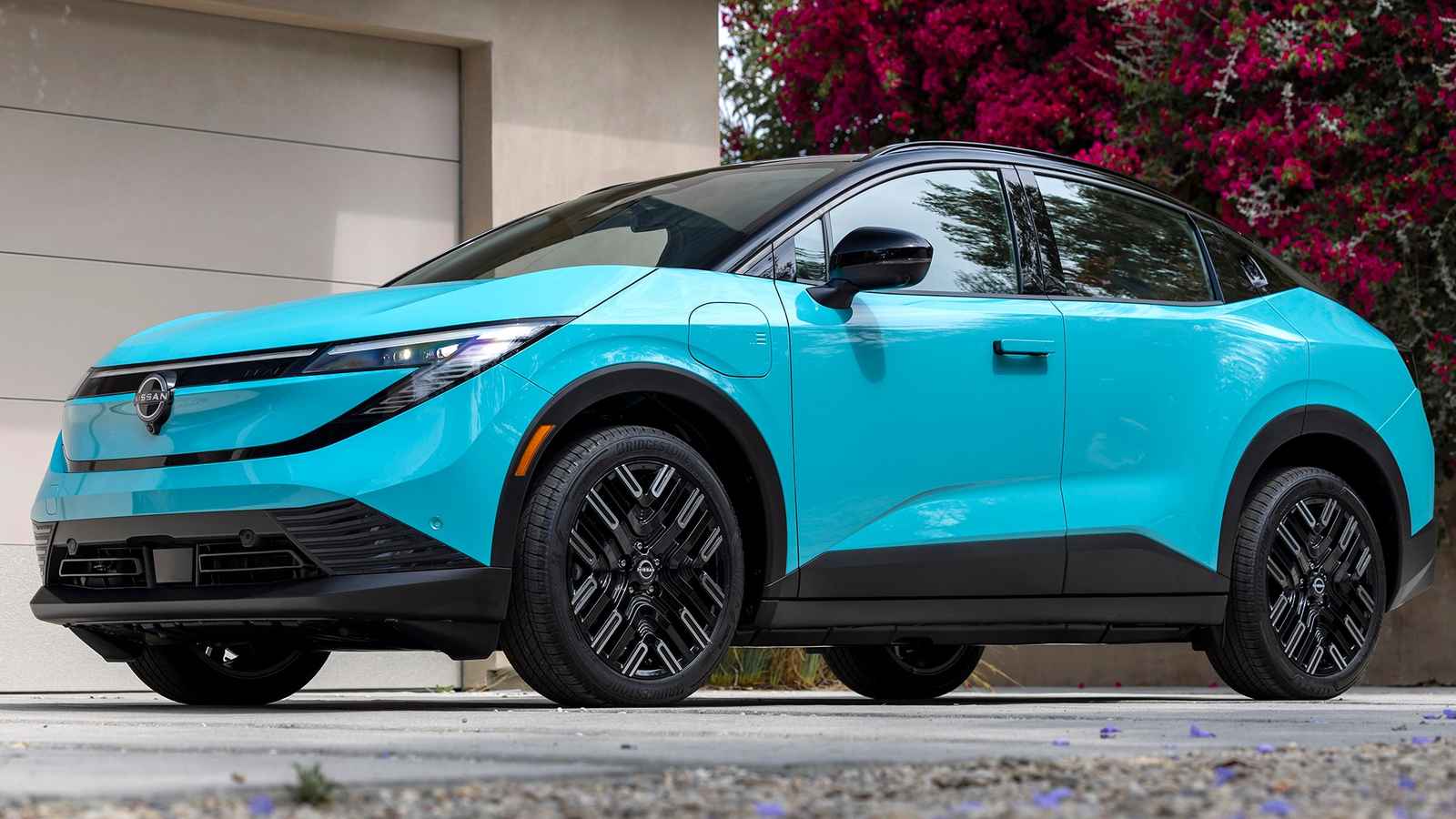
The 2026 Nissan Leaf is almost unrecognizable compared to its predecessors. Featuring a sporty crossover design, the new Leaf embraces modern aesthetics while maintaining its identity as an affordable EV. According to Motortrend, this redesign includes a low nose, flush front door handles, and a flat underbelly, all contributing to a best-in-class drag coefficient of 0.26. The Leaf’s playful scythe-shaped front lighting and retro-inspired 3D taillights add character, while its two-tone color palette offers a fresh, vibrant appeal.
For those wondering if the Leaf is a car or an SUV, the answer is a mix of both. Nissan describes it as a “crossover” with a size closer to a car but sporting SUV-like shapes, making it a versatile option for a wide range of drivers. This shift in design philosophy reflects a broader market trend, as buyers increasingly prefer crossovers over traditional hatchbacks.
Enhanced Range and Charging Capabilities
One of the most significant upgrades in the 2026 Leaf is its improved range and charging efficiency. The Leaf now offers a 75-kWh battery pack, delivering an impressive range of up to 300 miles, a milestone for many EV shoppers. As Cars notes, this is a major leap from the previous generation’s maximum range of 226 miles, addressing a key pain point for potential buyers.
Charging options have also been expanded, with the Leaf featuring two ports: a J1772 port for Level 2 charging and a NACS fast-charge port compatible with Tesla Superchargers. This dual-port setup ensures greater flexibility for drivers, whether charging at home or on the go. According to Motortrend, the Leaf can achieve a 10% to 80% charge in just 35 minutes using DC fast charging, thanks to its 150-kW peak charging speed.
Inside the Cabin: Modern Tech and Comfort
The interior of the 2026 Leaf has been completely revamped to provide a more spacious and tech-forward experience. A flat floor design creates a sense of airiness, while comfortable seating ensures a pleasant ride for both front and rear passengers. As reported by Cars, the Leaf’s dual widescreen displays—ranging from 12.3 inches to 14.3 inches, depending on the trim—serve as the centerpiece of its modernized dashboard.
Standard features include wireless Apple CarPlay and Android Auto, Amazon Alexa integration, and Nissan’s ProPilot Assist for advanced adaptive cruise control. Higher trims offer additional perks such as a panoramic roof with dimmable sections and native Google apps like Maps and Assistant. These upgrades make the new Leaf not just an EV but a tech-savvy companion for everyday life.
Affordability Meets Innovation
Historically, the Nissan Leaf has been a champion of affordability in the EV market, and the 2026 model aims to continue this tradition. While official pricing details are yet to be announced, industry experts expect the new Leaf to remain in the $30,000 to $35,000 range. This price point positions it as a strong contender in the growing field of small, budget-friendly EVs, as highlighted by Motortrend.
The Leaf’s value proposition is further enhanced by its practical features, including a spacious cargo area with a low load floor and vehicle-to-load (V2L) capabilities. This means the Leaf can even power small appliances or provide backup energy during emergencies, adding another layer of utility for owners.
As the 2026 Nissan Leaf prepares to hit dealerships next fall, it represents a bold step forward for one of the original pioneers of the EV market. With its blend of style, range, and affordability, the Leaf is poised to attract a new generation of eco-conscious drivers while staying true to its roots as an accessible, everyday electric vehicle.