


A Divided Committee
The Federal Reserve left its benchmark interest rate unchanged at a range of 3.5%-3.75% on Wednesday, opting for stability in the face of persistent inflation and geopolitical volatility. The decision, which marked the fifth consecutive meeting with no change, was far from unanimous. In a rare display of internal friction, three regional Federal Reserve Bank presidents—Beth Hammack (Cleveland), Neel Kashkari (Minneapolis), and Lorie Logan (Dallas)—dissented, voting for a quarter-point rate hike.
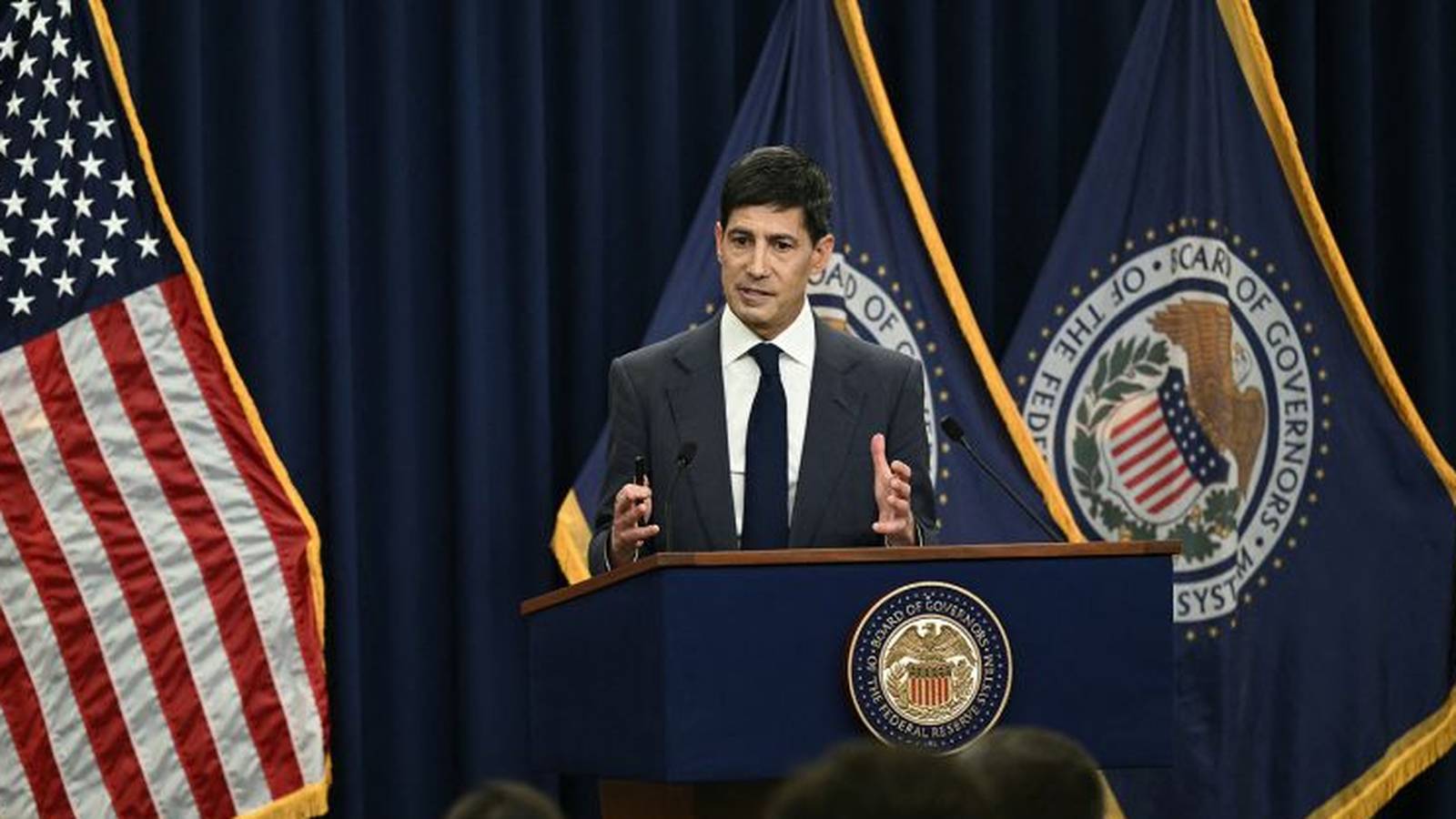
This “family fight,” as Chairman Kevin Warsh described it, represents the first time since 2016 that three policymakers have publicly broken with the majority in such a fashion. Warsh, who has actively encouraged open debate, welcomed the dissent as a “design feature” of the committee’s deliberative process rather than a sign of dysfunction.
Market Reaction and Economic Stakes
Financial markets reacted sharply to the decision and the subsequent commentary from Chairman Warsh. The Dow Jones Industrial Average tumbled 1,153 points, a 2.19% decline, marking its worst single-day performance since April 2025. The tech-heavy Nasdaq Composite dropped 1.74%, bringing its total decline to nearly 10% from its June highs, placing it on the brink of a technical correction.
Investors were particularly unnerved by Warsh’s post-meeting press conference. While the Fed’s official statement remained largely identical to June’s, Warsh’s remarks signaled a hawkish stance, emphasizing that the central bank is not in a “pause” mode but is instead conducting a “rigorous review” of the economic landscape. He pointed out that financial conditions have already tightened, noting that market rates have risen significantly over the last 42 days, effectively doing some of the Fed’s work for them.
Geopolitical and Trade Headwinds
The committee’s caution is heavily influenced by a confluence of external pressures. The conflict with Iran continues to drive volatility in global energy markets, threatening to keep inflation elevated despite recent cooling trends in the Consumer Price Index. Furthermore, the Trump administration’s recent imposition of 10% to 12.5% tariffs on 60 trading partners has introduced a new layer of uncertainty for corporate supply chains and consumer pricing.
While Treasury Secretary Scott Bessent has indicated that the administration retains full confidence in Chairman Warsh, the potential for further trade escalation remains a primary concern for market participants. The Fed remains caught between a domestic economy showing solid growth and the unpredictable nature of these external shocks, leading to what analysts describe as an unusually high degree of ambiguity regarding the path of future policy.