


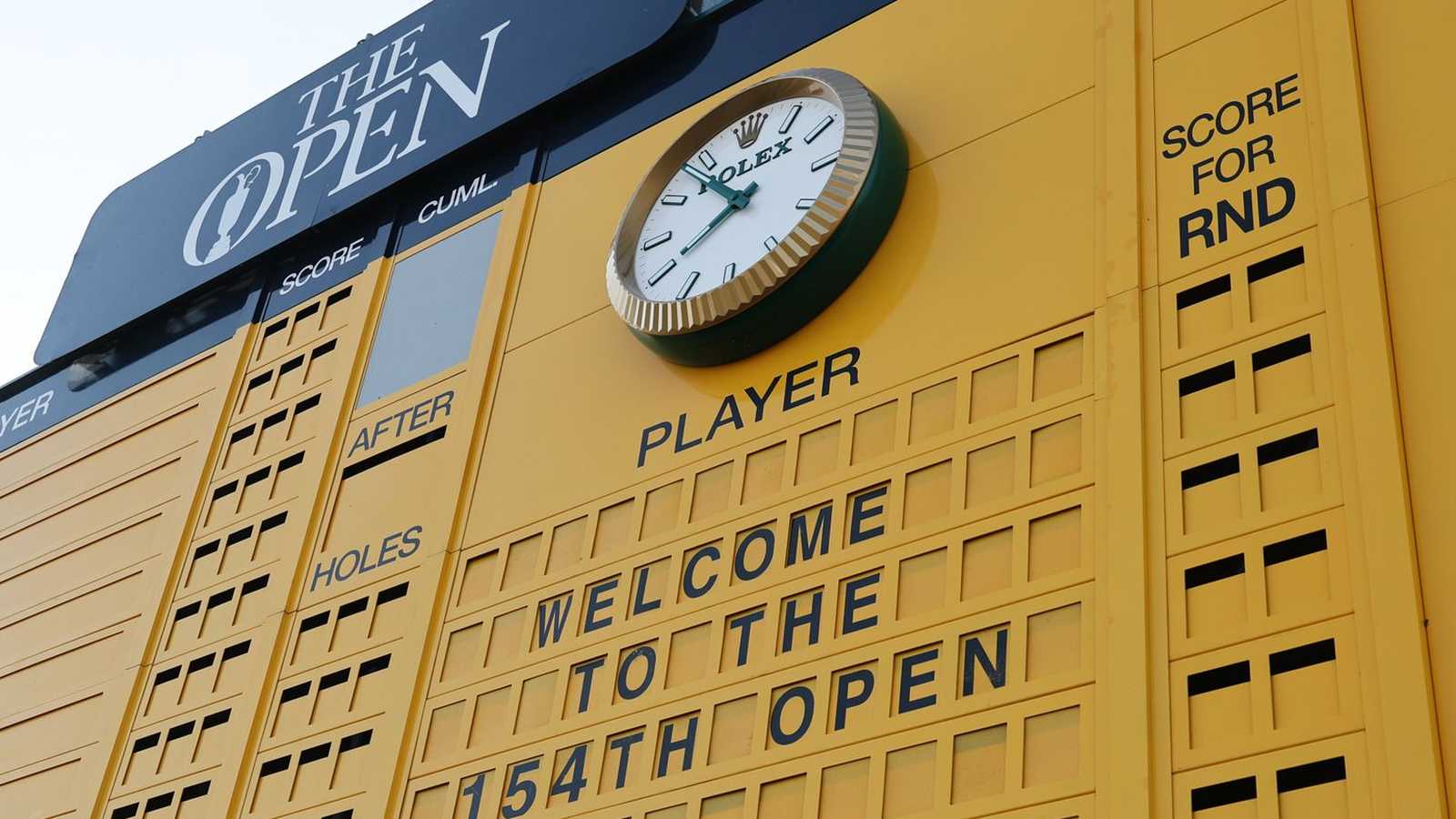
The 154th Open Championship begins this Thursday, July 16, 2026, at Royal Birkdale in Southport, England. As the final major of the season, the event returns to the iconic links course with significant changes that promise to test the world’s best golfers in new ways. With firm, fast conditions forecasted and winds expected to remain moderate throughout the weekend, the tournament is set to be a test of precision rather than distance.
A Transformed Course
Royal Birkdale has undergone a series of renovations since its last hosting duties in 2017. While the course yardage remains relatively stable at 7,223 yards, the character of play has shifted. According to reports from the course, several holes have been reworked, featuring new bunker placements and a redesigned closing stretch. These changes are designed to force players into difficult decision-making processes, rewarding those who prioritize controlled tee shots over raw power.
Meteorologists on-site at Southport expect a sunny start to the tournament, with temperatures peaking around 25°C. By the weekend, although temperatures are expected to dip slightly to 21°C, the firm turf conditions are likely to persist, making distance control a paramount concern for all competitors.
The Stakes and Contenders
Defending champion Scottie Scheffler enters the week as the favorite to lift the Claret Jug, aiming to solidify his dominance in the 2026 major season. However, he faces stiff competition from a deep field. Rory McIlroy, consistently performing well in Open Championships, remains a top contender, alongside English favorites such as Matt Fitzpatrick and Tommy Fleetwood. For these home-grown players, the desire to secure a major win on English soil provides an added layer of intensity to the week.
Analysts suggest that the course setup aligns well with the skill sets of players like Collin Morikawa and Justin Rose, both of whom have shown strong form on similar links-style tracks. Betting markets and experts have identified the 175-yard-plus approach range as a critical area where the tournament will be won or lost, as players will likely club down off the tee to navigate the new hazards.
Strategic Implications
The redesign of the closing holes means that the final stretch will demand survival and precision. Players who navigate the fairway bunkers successfully will have a distinct advantage. As the tournament progresses, the combination of firm ground and expected breezes will require players to utilize lower, penetrating ball flights. The 2026 Open is shaping up to be a tactical masterclass, where the winner will likely be the one who best balances conservative course management with the aggression required to capture a major title.