


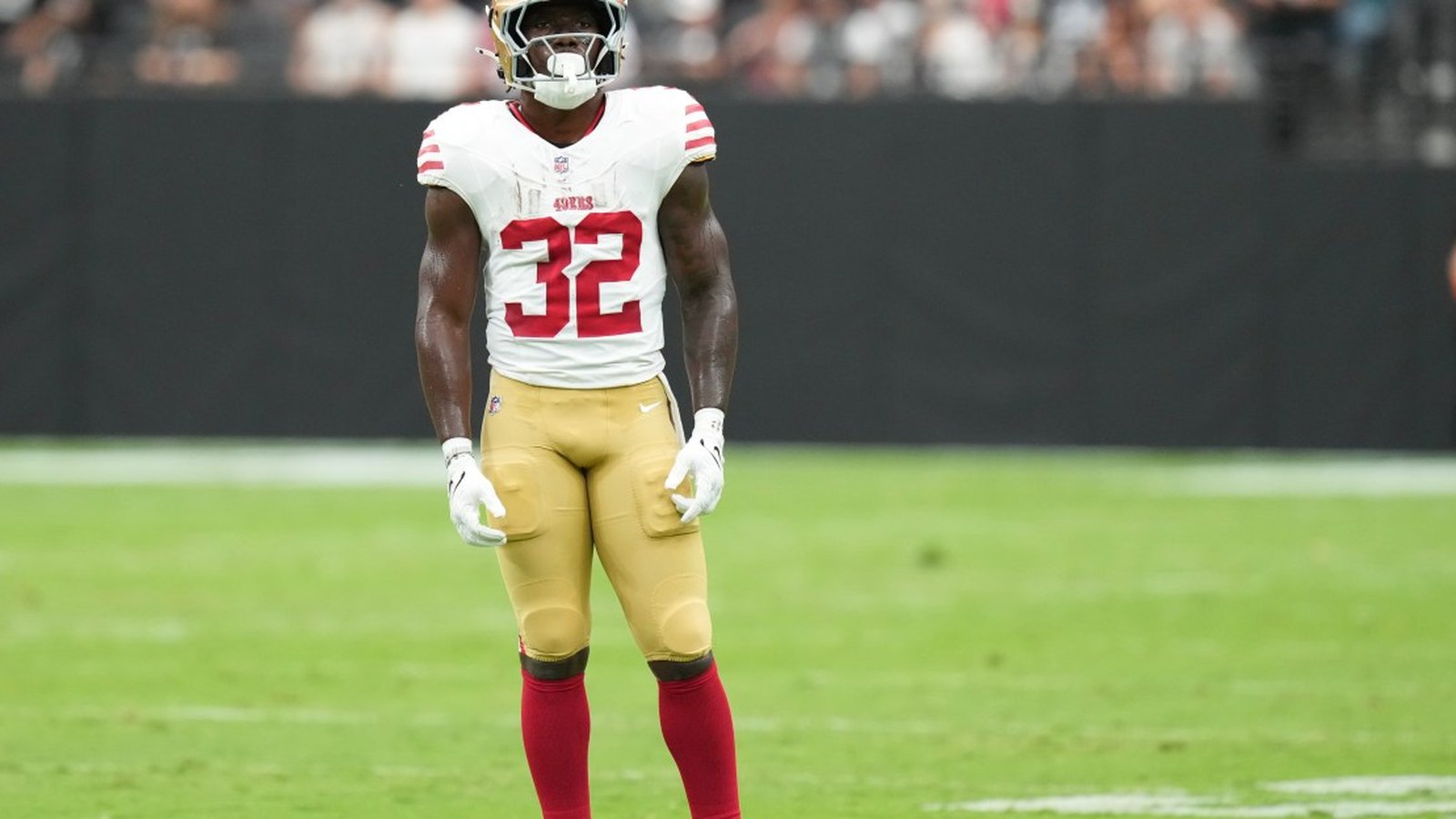
The volatile nature of NFL roster construction was on full display this week as the San Francisco 49ers re-signed veteran running back Khalil Herbert to a one-year contract. The transactional maneuver comes as a direct response to placing fellow running back Patrick Taylor Jr. on the Injured Reserve (IR) list with an undisclosed injury. For Herbert, the signing marks a rapid return to the Bay Area just days after being waived by the organization, highlighting the fragile depth of an injury-plagued San Francisco backfield as the preseason progresses.
The Roster Carousel: Taylor’s Setback and Special Teams Void
The decision to place Patrick Taylor Jr. on injured reserve represents a significant blow to both the player and the team’s depth chart. Taylor, a versatile veteran, had put together a strong training camp and appeared to have a clear path toward securing a spot on the 49ers’ final 53-man roster. His value extended far beyond traditional rushing duties; during the preseason opener, Taylor logged 23 snaps, demonstrating his utility by contributing on special teams coverage, lining up as a wide receiver, and even blocking as an inline tight end. This multi-faceted skill set made him an ideal depth piece for head coach Kyle Shanahan’s complex offensive and special teams schemes.
This injury marks the second consecutive season that Taylor has landed on season-ending injured reserve during the preseason, having suffered a severe shoulder injury last year. The loss of his versatility forces the 49ers’ coaching staff to re-evaluate their special teams configurations and look for alternative solutions to fill the hybrid roles Taylor occupied so effectively.
Herbert’s Swift Return and Preseason Audition
To fill the vacancy, the 49ers turned back to a familiar face in Khalil Herbert. The 28-year-old running back was released by San Francisco earlier in the week but now finds himself thrust back into the competitive mix. In the 49ers’ preseason opening loss to the Tennessee Titans, Herbert played 31 total snaps, including seven on special teams. He recorded six carries for 18 yards and caught two passes for 35 yards, demonstrating his capability to contribute both on the ground and through the air. Notably, Herbert’s preseason highlights included capping off an impressive 14-play offensive drive with a hard-fought 1-yard touchdown run.
Entering his sixth NFL season, Herbert brings a wealth of experience to a young backfield. Drafted in the sixth round of the 2021 NFL Draft by the Chicago Bears, Herbert has established himself as a reliable rotational back. Over his career, which includes stints with the Bears, Cincinnati Bengals, and New York Jets, he has appeared in 63 games with 31 starts. His career stat line features 416 carries for 1,957 rushing yards and nine touchdowns, alongside 54 receptions for 316 yards and two receiving scores. This level of proven production provides the 49ers with a reliable insurance policy as they navigate their current injury crisis.
An Injury-Plagued Backfield: The Broader Roster Calculus
The re-signing of Herbert is not merely a one-for-one replacement; it is a necessary stabilization measure for a running back room that has been decimated by injuries. Superstar starter Christian McCaffrey is being held out of preseason action to preserve his health for the grueling regular season, which has forced the coaching staff to rely heavily on depth players. However, that depth has been severely tested.
Rookie running back Jordan James sustained fractured ribs on just the second day of training camp, sidelining him during a crucial developmental window. Meanwhile, draft pick Isaac Guerendo is still recovering from a torn pectoral muscle suffered during the offseason. While Guerendo’s physical tools make him an intriguing prospect, his prolonged absence has prevented him from securing a roster spot. Once healthy, Guerendo will face intense competition from Herbert and Sincere McCormick to determine who claims the remaining spots on the active roster.
System Demands: Why Depth Matters in Shanahan’s Offense
Under Kyle Shanahan, the 49ers employ a highly demanding outside-zone blocking system that requires running backs to possess elite vision, decisive cutback ability, and physical durability. The system historically places a high physical toll on its ball carriers, making a deep and versatile depth chart an absolute necessity rather than a luxury. By bringing back Herbert, the 49ers maintain a veteran presence who can quickly digest the playbook and execute the scheme without a steep learning curve.
With McCaffrey sidelined and several key backups unavailable, the upcoming preseason matchups will serve as a critical evaluation period. Young players like Kaelon Black and Sincere McCormick will get extended opportunities to showcase their abilities, but Herbert’s presence ensures the team has a proven veteran floor. How the front office manages the final roster cuts—and whether they choose to carry three or four running backs into the regular season—will largely depend on the recovery timelines of James and Guerendo, and how quickly Herbert can re-integrate into the rotation.