


A Legacy Under Pressure
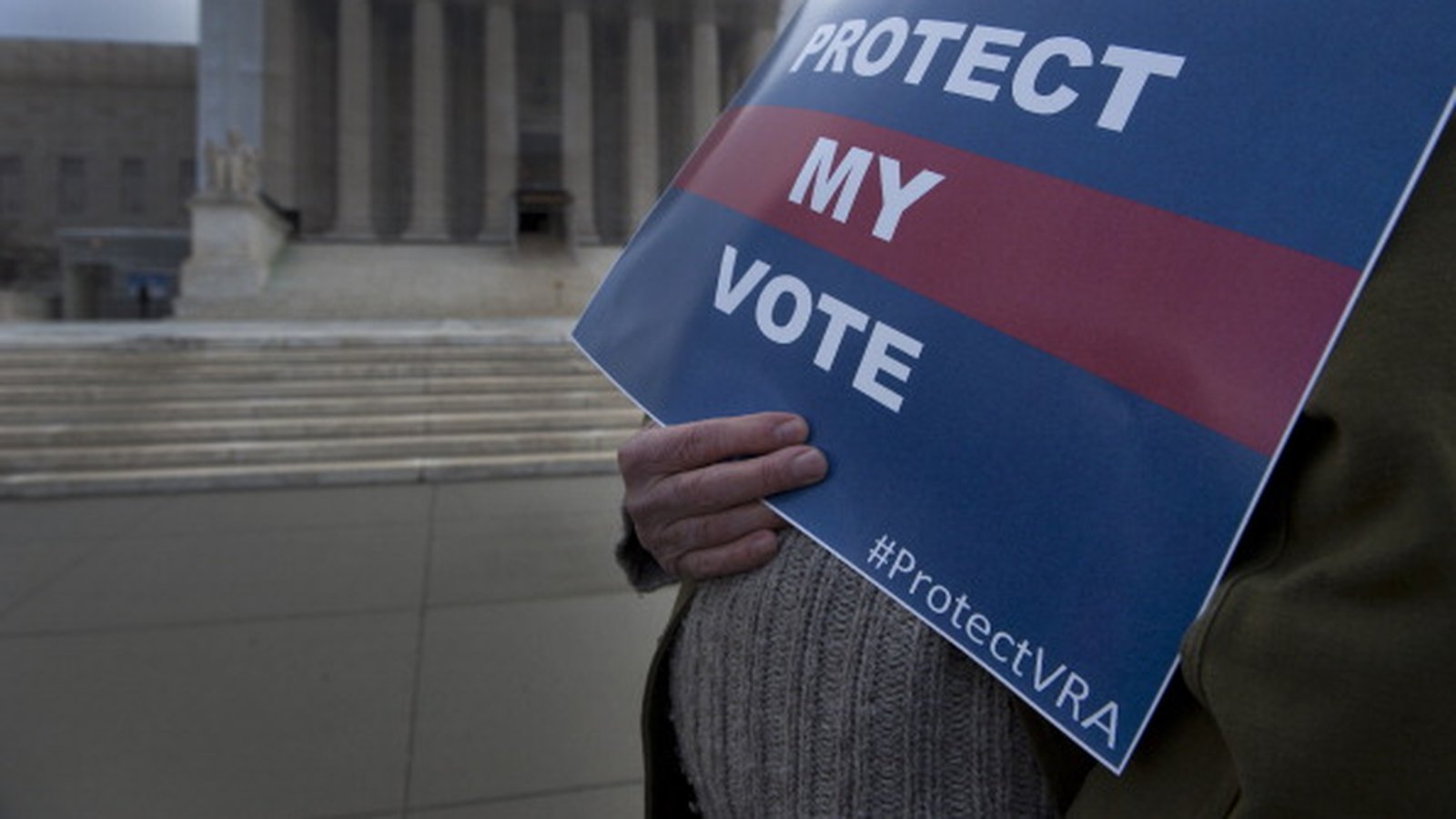
August 6, 2026, marks the 61st anniversary of the Voting Rights Act (VRA) of 1965, a cornerstone of American civil rights legislation. Signed into law by President Lyndon B. Johnson, the VRA was designed to dismantle systemic barriers that had long disenfranchised Black voters. Today, however, the anniversary is defined less by celebration and more by a sense of urgent alarm among civil rights organizations, who argue that the law’s foundational protections have been systematically dismantled.
Janai Nelson, President and Director-Counsel of the Legal Defense Fund (LDF), stated that the current political environment represents a “direct attack” on the legacy of the VRA. According to the LDF, the administration of President Donald Trump has engaged in persistent efforts to undermine democratic processes, including the spread of disinformation regarding mail-in voting and attempts to use the Department of Justice to influence state voter registration rolls.
The Role of the Judiciary
Much of the current debate centers on the role of the U.S. Supreme Court. Critics of the Court’s recent jurisprudence point to a series of rulings—most notably Shelby County v. Holder (2013) and Brnovich v. DNC—as the primary drivers of the VRA’s erosion. The Shelby County decision effectively neutralized the “preclearance” requirement, which had forced jurisdictions with histories of racial discrimination to secure federal approval before altering voting laws.
More recently, legal experts point to Louisiana v. Callais as a significant blow to the VRA’s efficacy. Advocates argue that the ruling has created a “spate of discriminatory redistricting machinations” that threaten to reverse decades of progress in Black representation. Democracy Defenders Action, a nonpartisan group, contends that the judiciary can no longer be relied upon to protect the rights of all citizens, shifting the burden of defense squarely onto the shoulders of Congress.
Calls for Legislative Action
As the nation looks toward the upcoming midterms, the consensus among voting rights advocates is that legislative intervention is the only viable path forward. The primary focus for these groups is the passage of the John R. Lewis Voting Rights Advancement Act. Proponents argue this legislation is necessary to restore the federal government’s authority to prevent racial discrimination and partisan manipulation in elections.
The religious community has also weighed in, with the United States Conference of Catholic Bishops (USCCB) issuing a statement encouraging a recommitment to the values of democracy. Citing the importance of “effective participation” of citizens, the USCCB urged policymakers to safeguard voting rights, framing the issue as one of human dignity.
Former Attorney General Eric Holder, in his own statement, emphasized that the responsibility to defend these rights rests with the public. “There is no cavalry coming to save us—we, the people, are the cavalry,” Holder noted, calling on citizens to mobilize ahead of the midterms to ensure that the promise of the 1965 Act is upheld for future generations.