


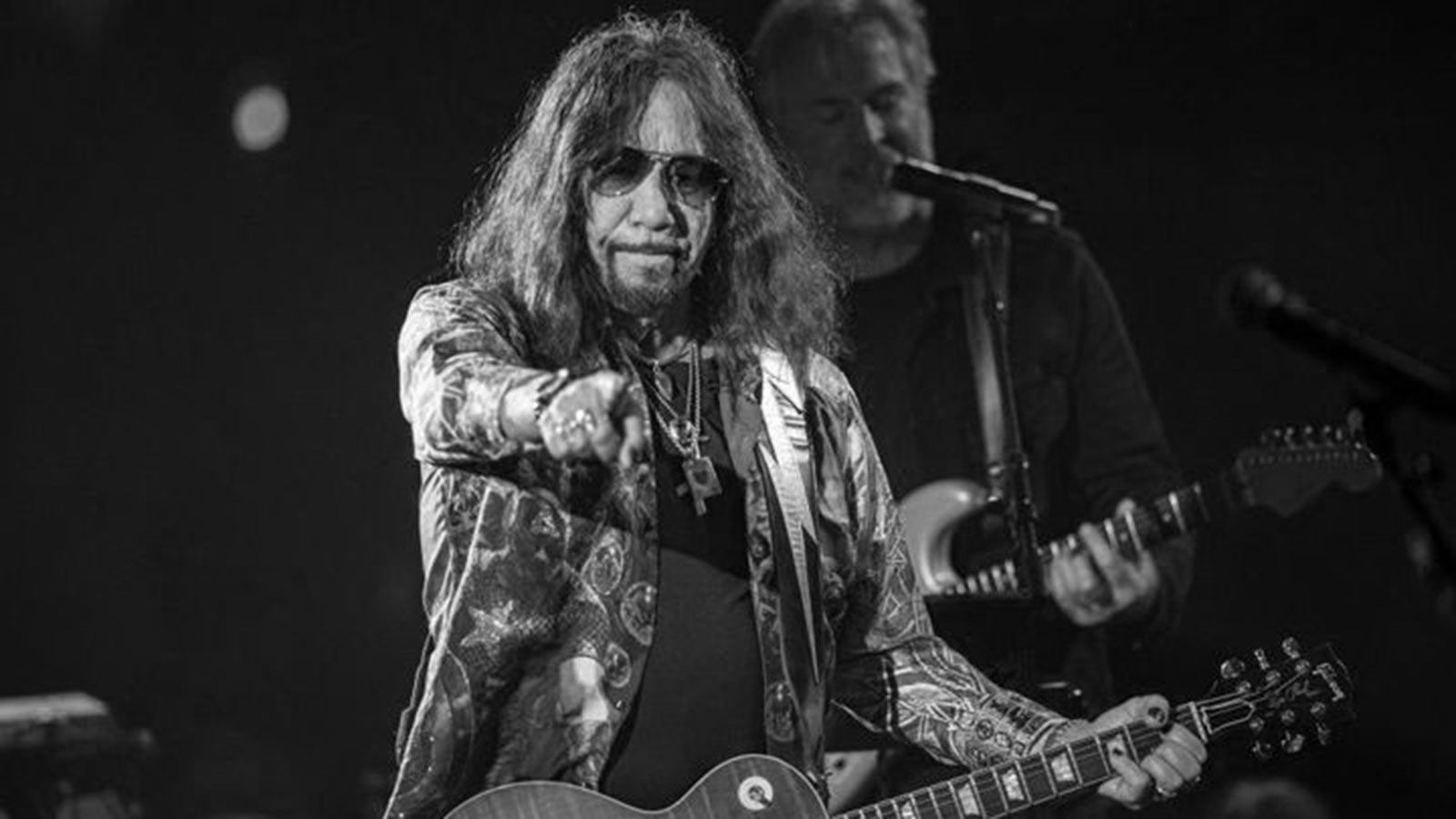
For anyone who ever painted their face, donned leather, or lost themselves in the pounding rhythms of Kiss, the news hits hard: Ace Frehley, the band’s founding guitarist and ‘Spaceman’, died on October 17, 2025, at age 74 in Morristown, New Jersey. His family confirmed that complications from a recent fall led to his passing, closing the curtain on a life that electrified the world stage and inspired countless musicians (The Guardian, Rolling Stone).
The Spaceman’s Rise: Kiss, Culture, and the Creation of a Legend
Born Paul Daniel Frehley in the Bronx in 1951, Ace’s journey into rock music began with a choice: football or guitar. After one too many hits on the field, he realized his hands were destined for something else. By age 16, after witnessing the explosive theatrics of The Who and Cream in Manhattan, he knew where his future lay. The gritty streets of New York shaped his sound and attitude—a combination that would later define Kiss’s signature style.
In 1973, Frehley responded to a Village Voice ad seeking a ‘lead guitarist with flash and ability.’ Unable to afford cab fare, his mother drove him to the audition. Paul Stanley, Gene Simmons, and Peter Criss—future icons themselves—laughed at his bell-bottoms, but stopped when they heard his solo on “Deuce.” Ace’s unorthodox style, never formally trained, became the backbone of the band’s sound.
Kiss was more than music; it was spectacle. With their black-and-white makeup, flamboyant costumes, and alter egos—Frehley as the Spaceman—Kiss brought a new level of showmanship to rock. Their debut album in 1974 drew lukewarm reviews, but live performances quickly built a fervent fan base. By 1975, the concert album “Alive!” vaulted them to mainstream success, and Frehley’s smoking Les Paul guitar solos became legendary.
Highs and Lows: Fame, Substance, and Solo Success
Frehley’s contributions went beyond performance. He penned fan favorites like “Cold Gin,” “Shock Me,” and “Parasite,” infusing Kiss’s catalog with his unique voice. Yet, as the band soared, internal tensions grew. Drug and alcohol use, combined with the pressures of fame, began to take their toll. Frehley’s candid recollections—”There was so much cocaine in the studio… I liked to drink. Once I started doing coke, I really liked to drink more”—paint a picture of the excess that shadowed their rise (Rolling Stone).
By the late 1970s, the band’s audience skewed younger, with kids in the front row clutching Kiss lunchboxes. Frehley found himself conflicted, uncomfortable with the new direction and struggling with substance abuse. In 1982, feeling ‘mixed up’ and fearing for his life, he walked away from a lucrative contract and the group. “I believed that if I stayed in that group, I would have killed myself,” he later confessed.
His solo career began with “Frehley’s Comet,” but it was his self-titled 1978 album—released alongside solo efforts from all band members—that shone brightest. His cover of “New York Groove” became a signature hit, outselling the others and cementing his reputation as a rock innovator. Frehley’s resilience, despite personal struggles, kept him in the public eye and on the road for decades.
Reunion and Final Chapters: The Enduring Power of Kiss
The mid-1990s saw a brief, explosive reunion. At the 1995 MTV Unplugged special, the original lineup reunited, leading to a global tour in 1996. Stadiums and arenas filled with fans eager to relive the band’s glory days. Frehley’s return was short-lived; he left again in 2002, replaced by Tommy Thayer, who donned the Spaceman makeup but, as Frehley noted, “didn’t have my same technique.” Still, his influence on Kiss’s music and image endured. In 2014, all four original members were inducted into the Rock & Roll Hall of Fame (NBC News).
Frehley continued to perform as a solo artist, playing Kiss classics and new material to devoted fans. His last show, in Providence, Rhode Island, closed with “Rock and Roll All Nite,” a fitting tribute to the energy he brought to stages for half a century.
Tributes and Legacy: A Life Remembered
Upon news of his death, tributes poured in from bandmates and fans worldwide. Paul Stanley and Gene Simmons called him “an essential and irreplaceable rock soldier,” while Peter Criss wrote, “I’m shocked!!! My friend … I love you!” Frehley’s family, in a heartfelt statement, said, “We were fortunate enough to have been able to surround him with loving, caring, peaceful words… The magnitude of his passing is of epic proportions, and beyond comprehension.”
For many, Ace Frehley wasn’t just a musician. He was an emblem of possibility—a Bronx kid who turned his dreams into spectacle, and whose riffs and persona became the soundtrack to countless lives. His story, marked by highs and lows, remains a testament to the enduring power of rock and the complex humanity behind the makeup.
Ace Frehley’s journey illuminates the cost and triumph of living at rock’s edge. His technical prowess, creative force, and personal battles shaped not only Kiss, but the spirit of modern rock itself. As the world mourns his loss, it also celebrates a legacy that will continue to inspire generations of musicians and fans alike.