


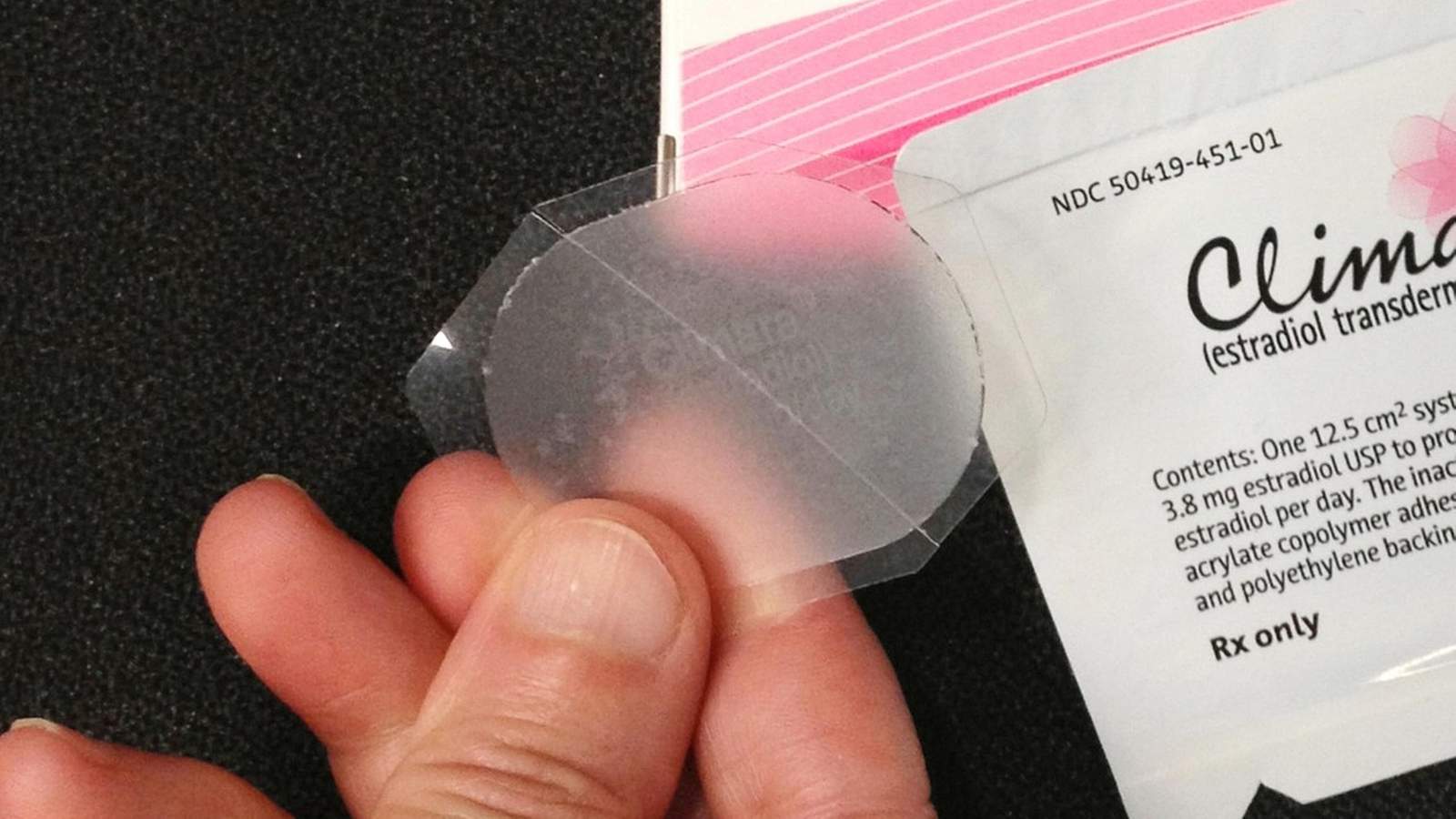
For the first time in a dozen years, the American College of Obstetricians & Gynecologists has released updated clinical guidance for managing disruptive menopause symptoms such as hot flashes, night sweats, and sleep disturbances. Released in October 2026, the updated framework addresses how clinicians approach vasomotor and psychological symptoms that affect more than half of women entering menopause, while seeking to dismantle lingering historical fears associated with older clinical data. Dr. Camille Clare, president of Newsday reported, emphasized that patients should actively consult their OB-GYNs to advocate for necessary medical care and navigate an increasingly complex landscape of therapeutic options.
This clinical pivot arrives alongside evolving federal regulatory positions that have fundamentally altered the therapeutic landscape. For more than two decades, all hormone-based menopause treatments carried mandatory government boxed warnings stemming from the 2002 Women’s Health Initiative study, which linked combination hormone therapy to increased risks of breast cancer and blood clots in older participants. Although subsequent scientific analyses clarified that modern formulations and early intervention yield favorable risk-benefit profiles for many patients, the warning labels suppressed utilization. In a major policy shift, the Food and Drug Administration removed boxed warnings from dozens of estrogen and progestin products last year, followed by updated labeling approvals for three additional estrogen patches, helping revive clinical interest and patient demand.
Hormone Therapy as First-Line Care
Under the new ACOG recommendations, systemic hormone therapy is firmly endorsed as the primary and most effective first-line treatment for moderate to severe menopausal symptoms when initiated appropriately. Dr. JoAnn Manson, a professor of medicine at Harvard Medical School, noted that the updated guidelines align closely with broader medical consensus regarding symptom management. According to the guidance, clinical decisions should involve shared decision-making between patients and physicians, taking personal medical history and age into account. Specialists generally advise starting hormone therapy before age 60 or within 10 years of the onset of menopause to maximize clinical benefits while mitigating potential risks.
The updated document provides detailed evaluations of systemic delivery methods, including oral tablets, transdermal patches, sprays, gels, and vaginal rings, which circulate hormones at levels sufficient to alleviate systemic vasomotor disruptions. For patients experiencing localized symptoms such as vaginal dryness, low-dose vaginal estrogen therapy is recommended, delivering localized relief with minimal systemic absorption.
Expanded Nonhormonal Medications and Interventions
Recognizing that many patients either choose to avoid hormonal treatments or face medical contraindications, ACOG’s expanded guidance details several nonhormonal pharmacologic alternatives. Among them is fezolinetant, a targeted medication that acts within the region of the brain controlling body temperature to block the source of hot flashes and night sweats, alongside similar emerging therapies like elinzanetant. Furthermore, specific classes of antidepressants are detailed as effective tools for managing co-occurring vasomotor symptoms and depressive moods.
Beyond pharmaceutical interventions, the guidance incorporates evidence supporting non-drug approaches such as cognitive behavioral therapy, structured mindfulness programs, regular physical exercise, clinical hypnosis, and acupuncture. These interventions can be administered independently or integrated alongside medication regimens to provide comprehensive relief. Dr. Stephanie Faubion, medical director at The Menopause Society, stressed that patients should not accept ongoing discomfort as an inevitable reality, given the expanding array of verified therapeutic choices available.
Addressing Supply Concerns and Misinformation
Following the surge in demand triggered by the removal of federal safety warnings, some patients have encountered sporadic difficulties in acquiring specific doses and formulations of estrogen patches. Federal health officials addressed these supply chain reports by confirming that, despite localized distribution tight spots, they are not aware of any imminent risk of a nationwide shortage. Furthermore, officials noted that pharmaceutical manufacturers have doubled their production capacity and added extra manufacturing shifts over the preceding year to stabilize inventory levels.
Amid the influx of commercial promotions and unverified wellness claims online, ACOG leadership urged patients to rely on verified clinical guidance rather than unregulated internet advice. By distinguishing between substantiated medical treatments and unverified herbal supplements or phytoestrogens, the updated framework aims to empower women with accurate information and foster transparent clinical dialogues.