


Public Apology and Commitment to Reform
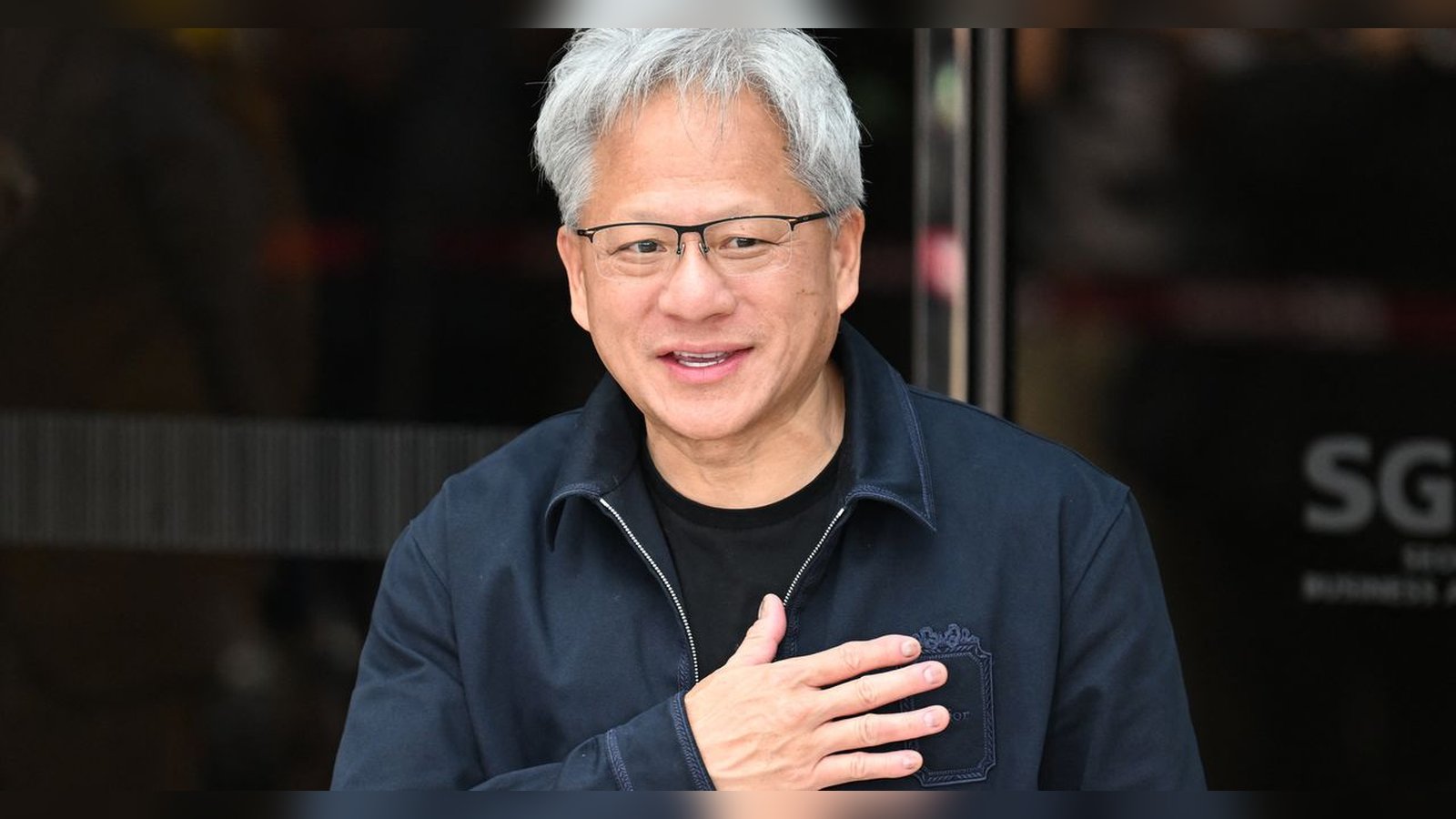
On Tuesday, November 24, 2026, Nvidia CEO Jensen Huang conducted his first all-hands meeting since being reinstated to his position, addressing employees directly regarding his recent 11-day resignation and the personal conduct allegations that prompted his departure. Huang, who was returned to the company’s helm by the board on Monday, acknowledged that he had committed “very serious personal mistakes” and publicly apologized for violating the company’s internal code of conduct, as reported by Wired.
During the meeting, Huang revealed that he has been attending therapy “every day for an hour and a half” to address the underlying issues that led to his resignation. He emphasized that his actions, which included reports of extramarital affairs and alleged links to foreign intelligence services, caused significant personal harm to his family. In response to concerns regarding his leadership, Huang announced that he would voluntarily undergo a recurring 360-degree performance review. This mechanism, which he noted would involve monthly feedback sessions with direct reports, represents an unprecedented shift in corporate governance for the technology giant, marking a clear attempt by Huang to rebuild trust within the organization.
Addressing Management Style and Regulatory Scrutiny
Beyond his apology, Huang faced questions regarding his management style, which has been historically characterized by its intensity. He conceded that his behavior at times resulted in the disempowerment of his staff and expressed a need to maintain high performance standards without causing professional or personal harm to his employees. He explicitly rejected the notion that his swift reinstatement signaled that he was above the law, stating, “There are rumors on the internet that apparently I’m a tech bro, and therefore I’m back.”
The internal atmosphere at Nvidia remains complicated. While some staff members have celebrated the CEO’s return due to his perceived importance to the company’s future, others have expressed lingering concerns regarding the board’s decision-making process. The Nvidia board of directors, which accepted his resignation earlier in November due to concerns over his lack of candor and potential foreign intelligence entanglement, reinstated him only after receiving assurances from the Trump administration that Huang was not currently under federal investigation.
Despite this, both Huang and the company face substantial ongoing regulatory hurdles. The board’s investigation into potential foreign intelligence ties is still active, and US lawmakers have requested that Huang testify before Congress regarding these allegations next week. The intersection of these legal pressures and his internal reform attempts creates a high-stakes environment for the company as it moves into the final quarter of 2026. Huang reaffirmed that while the code of conduct is rigid, the enforcement process relies on a case-by-case assessment of facts and circumstances.
The return of the long-standing CEO has stabilized the firm’s leadership structure temporarily, yet the requirement for a monthly performance review suggests a significant change in how his authority will be monitored moving forward. For now, the primary test for Huang will be reconciling his intense leadership approach with the requirement to operate under constant external and internal scrutiny while maintaining morale during a period of intense public focus on his personal history.
Huang described the all-hands session as the second-hardest meeting of his life, noting that the most difficult conversation he held during this period of crisis was with his own wife. By publicly detailing his commitment to daily therapy—specifically citing a duration of 90 minutes per session—he signaled to the workforce that his path to recovery is both structured and intensive. This transparency regarding mental health and personal accountability is intended to counterbalance the significant reputational damage caused by reports linking him to potential espionage vulnerabilities and inappropriate workplace relationships.
As the company prepares for the GTC DC developer conference scheduled for the first of next month in Washington, D.C., the scrutiny on the CEO is expected to intensify. Huang is slated to appear in a closed-door session with several key House committees, including the Foreign Affairs Committee, the Select Committee on Strategic Competition between the United States and the Chinese Communist Party, and the House Intelligence Committee. These legislative bodies are looking for clear answers regarding his past behavior, the extent of his interactions with individuals allegedly linked to intelligence agencies, and the implications these have for Nvidia’s compliance with sensitive national export controls. The company, which continues to dominate the global chip market, remains under heavy pressure to demonstrate that its governance structures are robust enough to withstand the personal failings of its highest-ranking executive.
Internally, the challenge remains for the executive team to maintain operations amid this turbulence. CFO Colette Kress, who navigated the firm through the 11-day vacancy, has been pivotal in maintaining day-to-day stability, yet the return of Huang necessitates a shift back to his centralized management style. Whether the proposed 360-degree reviews will be sufficient to mitigate employee concerns about his historic intensity remains an open question for shareholders and staff alike. As he seeks to re-establish his mandate, Huang must balance the need for high-velocity innovation with a new, strictly monitored standard of personal and professional conduct that ensures the firm remains insulated from further scandal.