


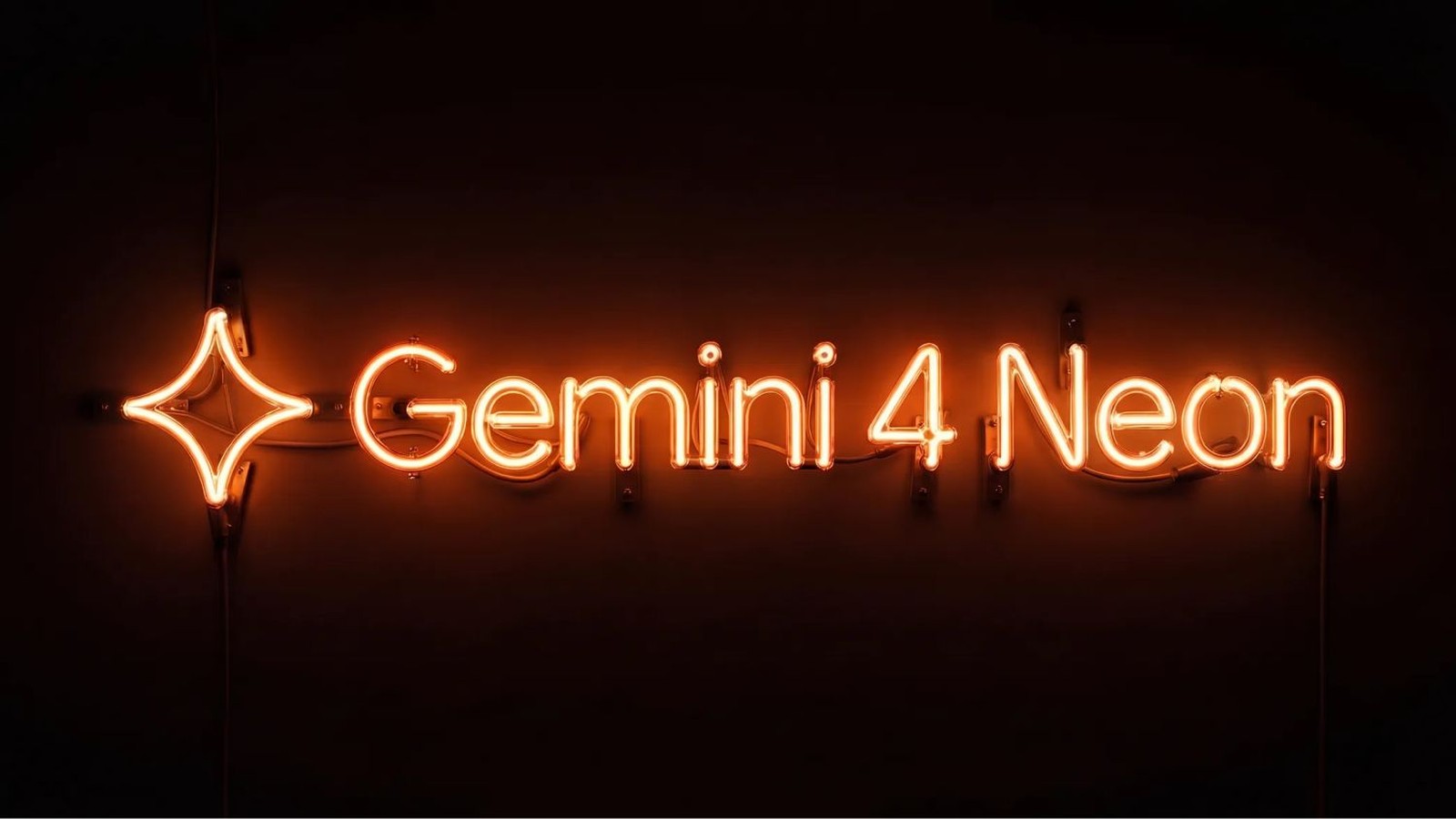
On November 23, 2026, Google officially expanded its Gemini artificial intelligence ecosystem by introducing Neon, a new model engineered to bridge the gap between high-speed execution and deep analytical reasoning. The announcement, shared via the company’s official social media channels, positions Neon as a specialized tool tailored for complex coding tasks and production-grade enterprise workflows.
Defining the role of Gemini Neon
The introduction of Neon clarifies the hierarchy within Google’s current AI architecture. According to the company’s official announcement, the Gemini family is now segmented by functional focus. While the Carbon model is reserved for long-horizon, high-complexity projects, and the Hydrogen model is optimized for rapid, everyday tasks, Neon serves as the strategic middle ground. It is designed specifically to handle the intricate demands of developers and analysts who require consistent, production-ready output without the overhead of the largest, most time-intensive models.
Strategic shift in AI deployment
By categorizing these models by operational intent, Google is signaling a move toward more granular AI integration in professional environments. The focus on enterprise workflows suggests that Neon is optimized for reliability and logical depth, aiming to reduce the friction often associated with deploying generative AI in professional software development life cycles. As businesses increasingly seek specialized tools rather than general-purpose models, Neon represents a tactical evolution in how Google markets its AI capabilities to enterprise clients.
The launch of Neon highlights a broader industry trend toward model specialization, where AI providers are moving away from the ‘one-size-fits-all’ approach in favor of tiered architectures that allow organizations to select the compute-to-intelligence ratio that best fits their specific operational requirements.