


Production Slowdown Leads to Staffing Adjustments
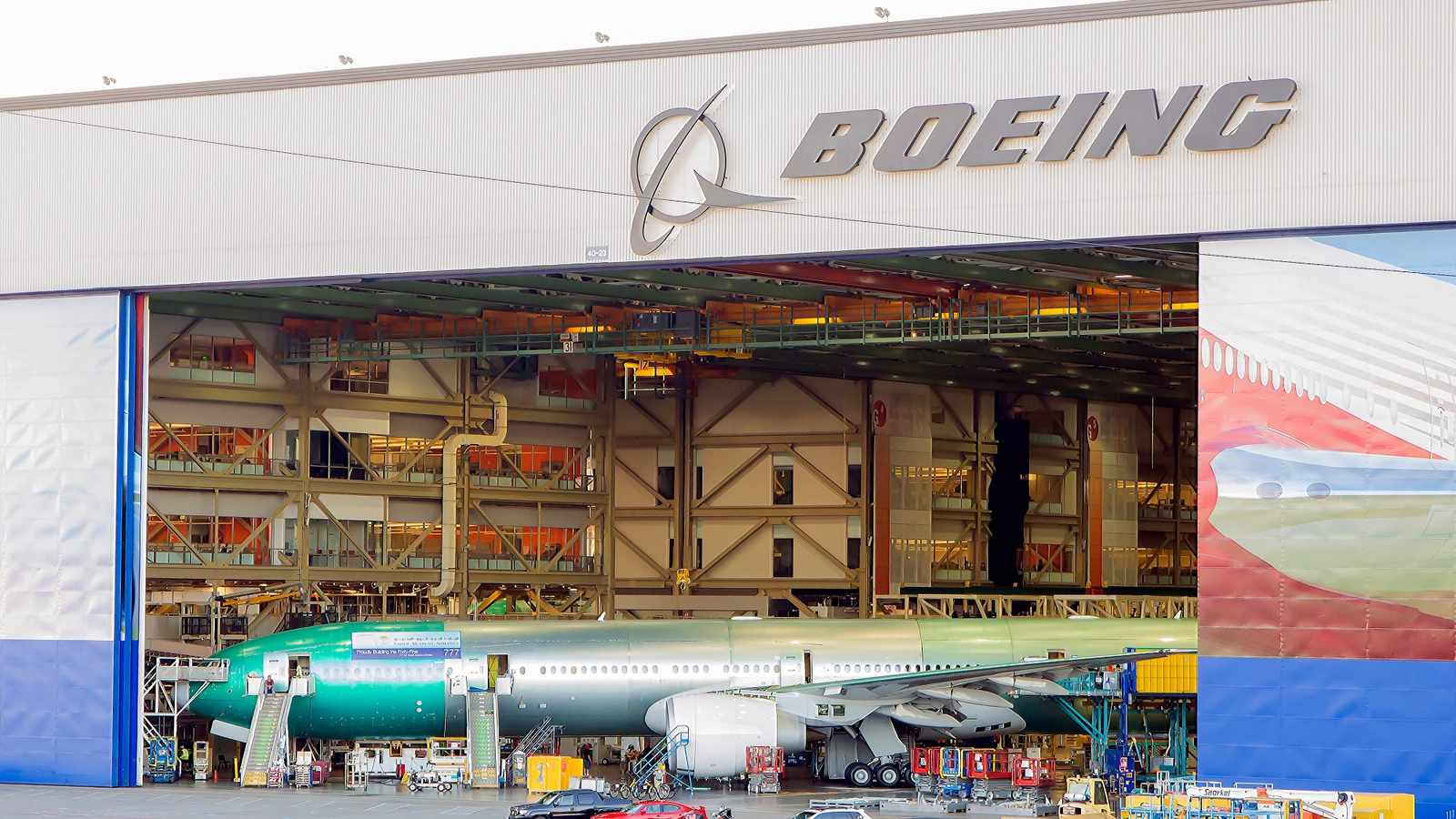
Boeing announced on November 9, 2026, that it will reduce the workforce of its commercial airplane division by approximately 5%. The move, which is expected to impact roughly 2,500 employees, comes as the aerospace giant faces ongoing challenges in stabilizing its production rates and supply chain. Stephanie Pope, President and CEO of Boeing Commercial Airplanes, confirmed the decision in an internal memo, citing the need to align staffing levels with a revised business plan that accounts for slower-than-anticipated aircraft output.
The company intends to achieve this reduction through a combination of attrition and involuntary layoffs, with notification processes set to begin in December. While the division employed approximately 50,500 people at the end of 2025, the current adjustment reflects a strategic decision to prioritize manufacturing stability over rapid production increases.
Stakes of the 737 and 787 Programs
The decision to cut staff follows a series of setbacks in the company’s core programs. CEO Kelly Ortberg reported during an October 2026 earnings call that Boeing would miss its 2026 delivery goals for the 737. The company has struggled to maintain a consistent output of 47 737 Max jets per month, a target that was previously intended to be reached by the summer of 2026. According to reporting by CNBC, the company now does not expect to significantly increase 737 production until the second half of 2027, with a goal of reaching 52 planes per month at that time.
The 787 Dreamliner program is facing similar headwinds. Despite efforts to scale production to 10 aircraft per month, the rate held at eight per month throughout the third quarter of 2026. Boeing delivered 124 737s and 22 Dreamliners in the three months ending in September. While the company faces pressure to meet demand—holding a record backlog of over 6,300 jets valued at $612 billion—leadership has emphasized the necessity of stabilizing the supply chain and wing production before attempting to accelerate throughput.
Financial and Operational Context
The commercial division reported a $697 million operating loss for the third quarter on revenue of $10.7 billion. Investors have closely monitored the ramp-up of the 737 Max program as a key driver for future profitability. AeroTime noted that while the company has made progress in securing certifications for the 737 Max 7 and Max 10, the broader recovery remains incomplete. Boeing continues to grapple with the consequences of past safety crises and the operational inefficiencies that have plagued its manufacturing hubs, including its Kansas-based fuselage production operations.