


The Incident and Initial Findings
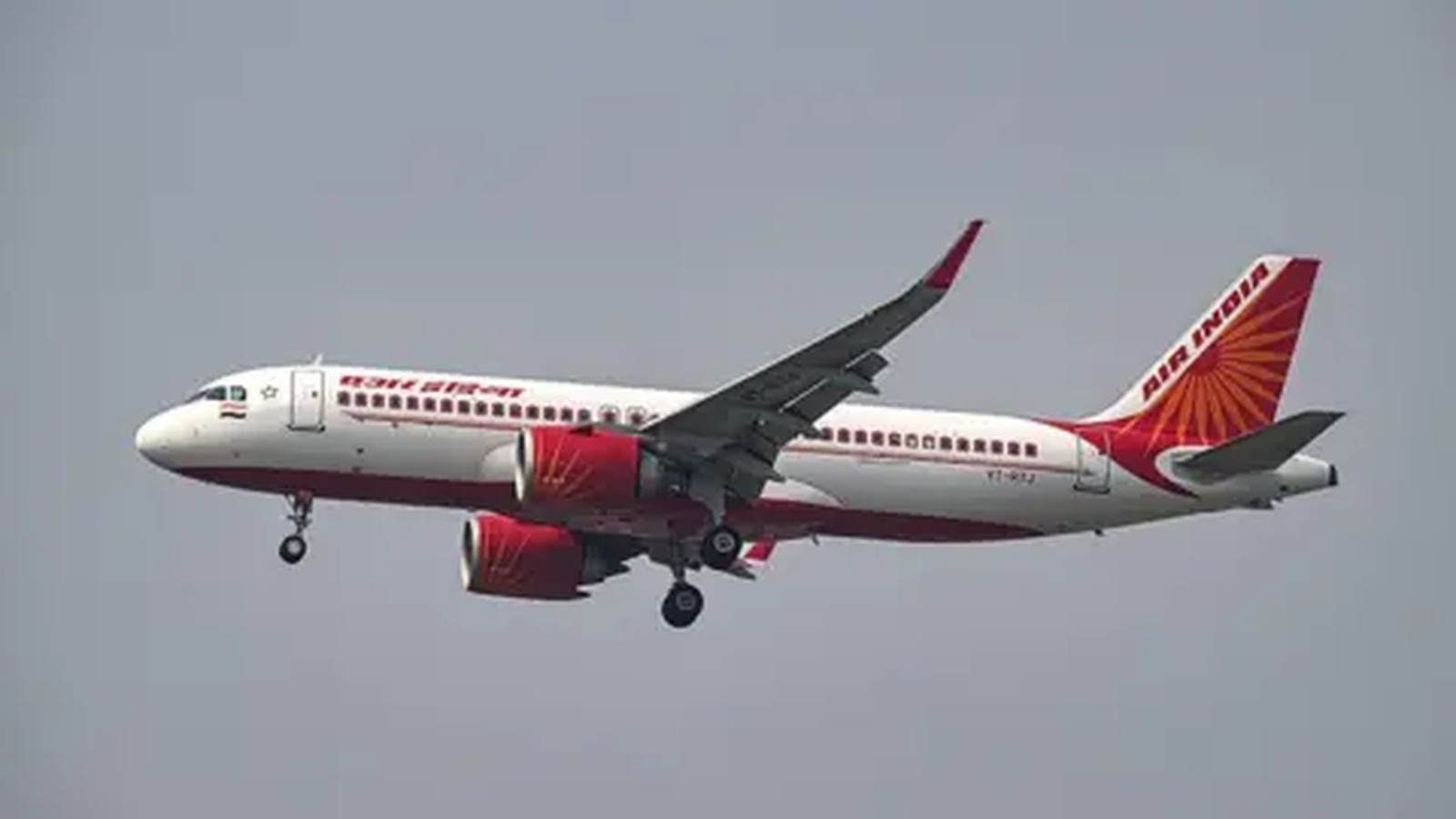
An investigation is underway following an August 4 incident involving an Air India Airbus A320 flying from Phuket to Delhi. The aircraft experienced a sudden loss of approximately 91 meters (300 feet) of altitude, resulting in injuries to 13 passengers and four crew members. While the aircraft landed safely, the event has triggered intense scrutiny after reports emerged—though not officially confirmed by the airline—that the captain tested positive for cannabis in a follow-up laboratory screening.
India’s aviation ministry stated that both pilots underwent mandatory post-flight screening for psychoactive substances. Both individuals have been removed from flying duties while the inquiry continues. The investigation is currently examining a broad range of factors, including technical, operational, medical, and human elements, as authorities work to determine the cause of the altitude loss.
The Challenge of Cannabis Detection
The core tension in this investigation lies in the scientific difficulty of correlating a positive drug test with real-time pilot impairment. Unlike alcohol, which has a well-established, linear relationship between blood concentration and cognitive impairment, cannabis metabolism is significantly more complex. THC leaves the bloodstream relatively quickly, but its metabolites can remain detectable for days or even weeks in frequent users, long after any acute impairment has subsided.
Experts note that while historical simulator studies—such as those conducted in 1976, 1986, and 1991—have demonstrated that cannabis can degrade fine motor control, attention, and complex decision-making, these findings are difficult to map onto modern aviation environments. Furthermore, a 2022 clinical trial led by Thomas Marcotte at the University of California San Diego found that impairment could not be reliably inferred from THC blood concentration alone, highlighting the lack of a universally accepted “impairment test” for cannabis.
Regulatory and Investigative Hurdles
The aviation industry faces a significant hurdle: there is currently no standardized test that can definitively prove a pilot was “too impaired to fly” at a specific hour. This has led to varying regulatory approaches. For instance, Transport Canada enforces a strict 28-day abstinence rule for flight crews prior to duty to circumvent these detection uncertainties. In contrast, other jurisdictions rely on case-by-case forensic toxicology to determine if substance presence contributed to an accident.
In the Air India case, investigators must move beyond the mere fact of a positive test. Success will depend on identifying the specific sample type (blood, urine, or saliva), the concentration levels of THC or its metabolites, and expert interpretation of those figures in the context of the flight timeline. Air India has announced it will increase its random drug screening frequency, moving to test all its pilots following this incident.