


A Passenger Decline Rooted in Cost Pressures
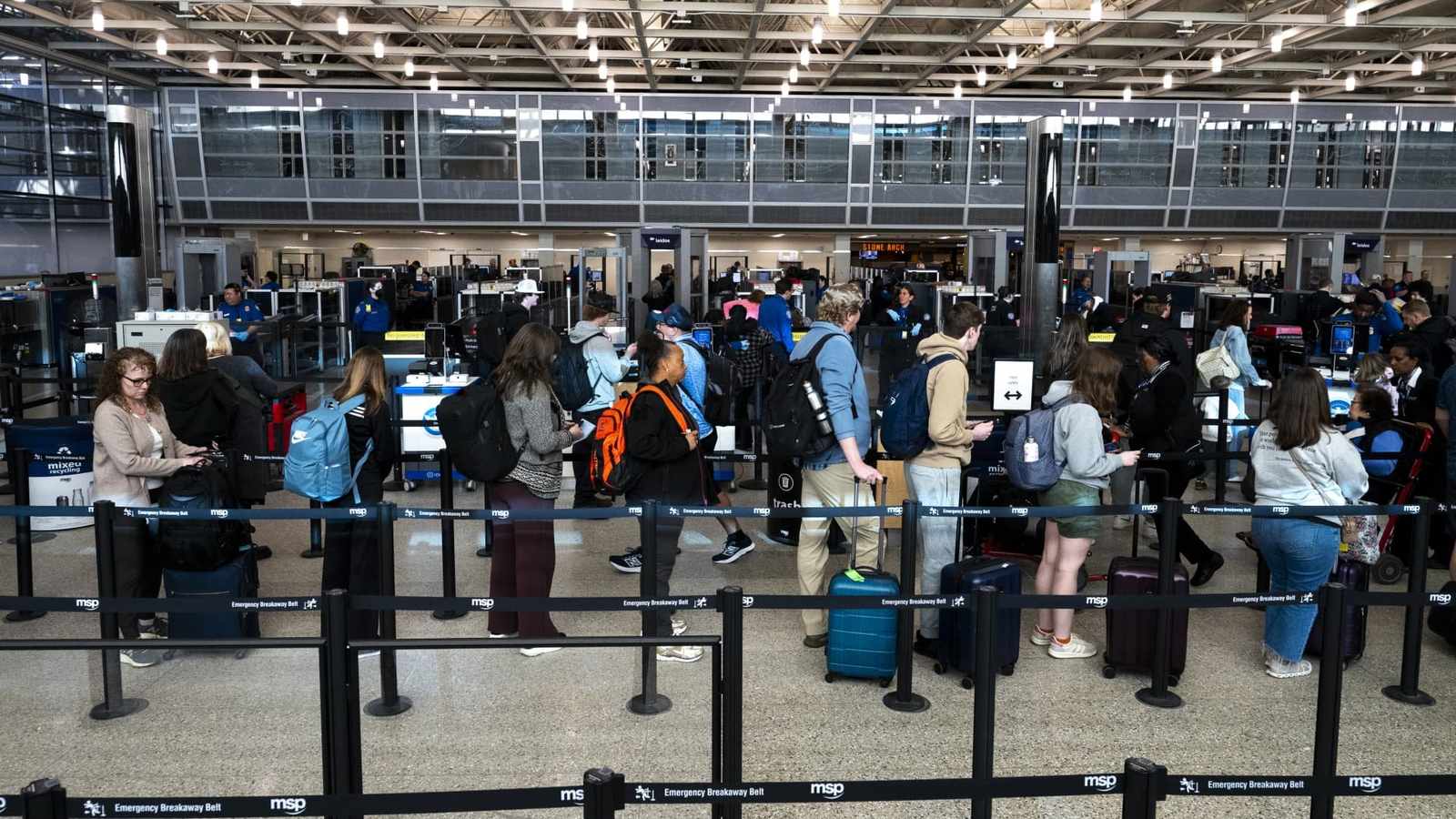
Fewer people are flying across the United States this year as soaring airfares alter travel patterns, though major carriers report that the trend aligns with their financial strategies CNBC reported. The number of people screened at airport security checkpoints is currently tracking toward its first annual decline since 2020. According to data from the Transportation Security Administration, approximately 9.3 million fewer individuals passed through checkpoints between April and late October compared with the same period in 2025.
While this drop represents a contraction of less than 2%, it marks a distinct shift following years of post-pandemic growth. The primary catalyst behind the shrinking passenger counts is a dramatic escalation in airline operating costs. Jet fuel expenses, which represent an airline’s largest expenditure after labor, have more than doubled compared to year-ago levels. U.S. Gulf Coast spot prices for jet fuel have climbed to $4.63 a gallon, based on figures from the U.S. Energy Information Administration CNBC reported.
Yield Over Load Factor As Executive Priority
Major U.S. carriers are deliberately shifting their business models to focus on higher ticket yields rather than maximizing the number of filled seats or chasing record passenger volume. American Airlines Chief Commercial Officer Nat Pieper addressed the strategy during an earnings call, stating that the carrier is actively prioritizing yield over load factor and is satisfied with the results under ongoing premium investments CNBC reported. American’s load factor—the percentage of occupied seats—declined to 83.4% in the third quarter, down from 86% during the same period in 2025.
Fares climbed steeply over the past year, registering a 22% increase in September compared with a year earlier according to recent inflation data. Fare tracking platform Hopper projects that the upcoming holiday travel season will feature the most expensive ticket prices seen in years. Southwest Airlines reported that its third-quarter average fare reached $231.69, marking an increase of nearly $50 from the previous year. This figure excludes supplementary charges, such as newly introduced fees for checked baggage and preferred seating closer to the front of the aircraft. Despite these rising costs and a 3.2% decline in revenue passengers to roughly 33.5 million, Southwest executives noted that both passenger volumes and fares exceeded internal forecasts.
Other carriers experienced varying traffic patterns. United Airlines flew 2.4% more passengers in the third quarter than during the same period in 2025, while reporting a 16% rise in unit revenue—its largest increase since the pandemic. United CEO Scott Kirby expressed surprise at the industry’s collective ability to raise yields and successfully pass through the surge in fuel expenses. Despite robust travel demand in profitable premium cabins, major operators including American, United, Delta Air Lines, and Southwest lowered their full-year 2026 profit forecasts.
Capacity Reductions and Market Outlook
To mitigate the ongoing financial impact of expensive fuel, airlines are projecting higher per-gallon costs, with United anticipating an average fuel price of $4.80 a gallon in the fourth quarter, up from $3.90 in the third. In response to these cost pressures, American Airlines and other major operators have trimmed their growth plans and signaled potential reductions in capacity expansion. Restricting available seats can keep bookable inventory scarce, which may support elevated fares should travel demand hold steady.
Additional shifts in the competitive landscape are influencing market dynamics, including the liquidation of Spirit Airlines in early May. A research note from Bank of America suggested that a portion of Spirit’s customer base likely stopped flying altogether following the carrier’s market exit CNBC reported. Upcoming earnings reports from smaller low-cost carriers like Frontier Airlines and Allegiant Air will provide further insight into how price-sensitive leisure travelers are reacting to sustained high ticket prices.