


The rapid evolution of artificial intelligence (AI) is leaving its mark across various sectors, from government and education to environmental science. Recent developments highlight a growing trend: AI is not just a tool but a transformative force shaping how we govern, teach, and understand the world around us.
Anthropic’s Bold Move: Building Bridges with Washington
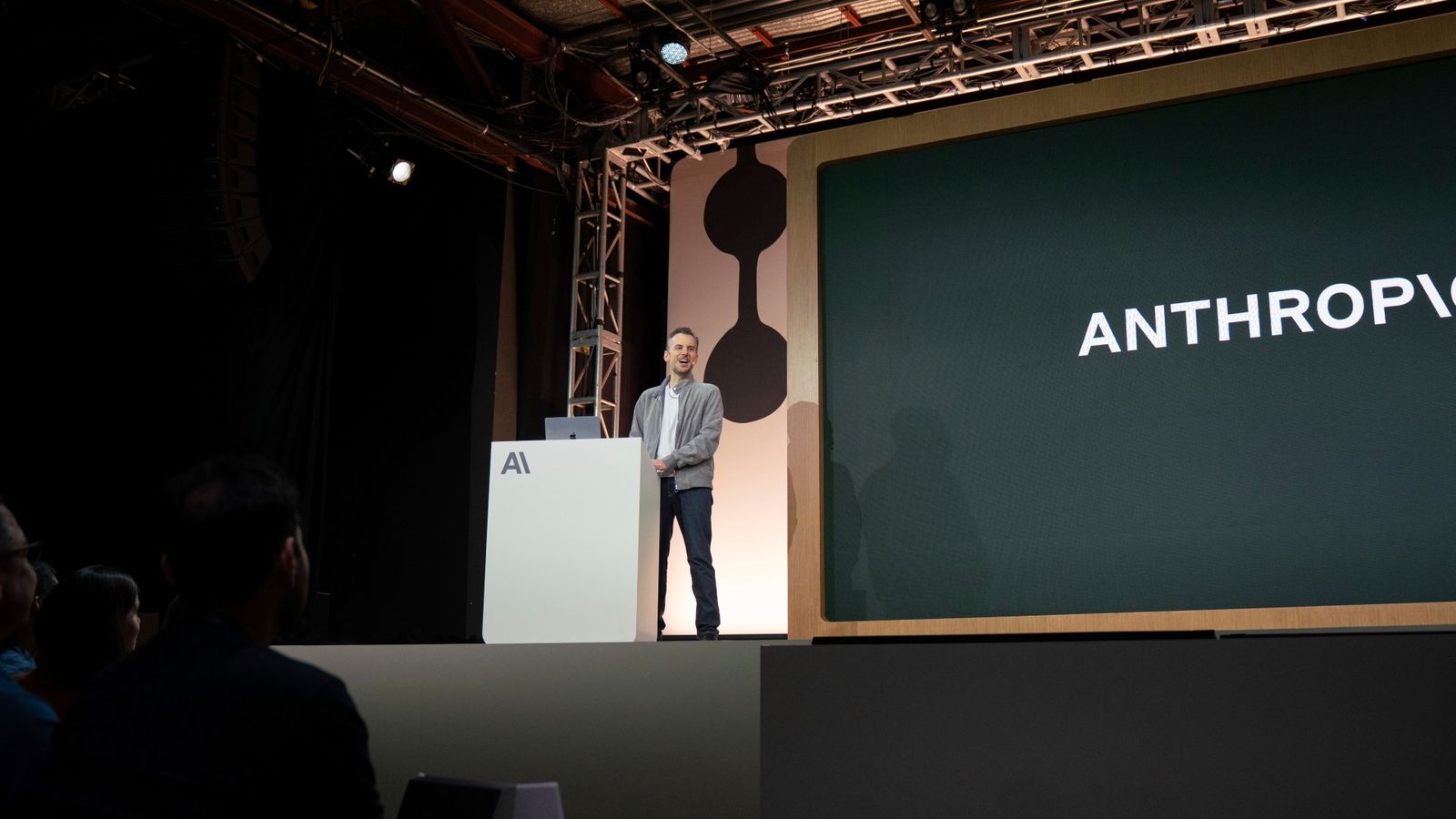
San Francisco-based AI company Anthropic announced on August 27, 2025, the establishment of its National Security and Public Sector Advisory Council. The move underscores the increasing collaboration between AI firms and governments as artificial intelligence becomes a critical component of defense and public policy. The council, comprising former U.S. senators, intelligence officials, and legal experts, aims to guide Anthropic in integrating AI into sensitive government operations while setting ethical and security standards.
According to Al Jazeera, the council includes notable members such as Roy Blunt, former senator and intelligence committee member, and David S. Cohen, a former deputy CIA director. Its primary focus will be on high-impact applications like cybersecurity, intelligence analysis, and scientific research. This initiative comes on the heels of the Pentagon’s $200 million program to develop AI tools for defense, an effort involving major players like Anthropic, OpenAI, and Alphabet, as the U.S. seeks to maintain its technological edge against global competitors such as China and Russia.
Anthropic’s proactive approach sets it apart from rivals like OpenAI and Google DeepMind, which have engaged with regulators but lack dedicated advisory councils. The company plans to expand its council as its partnerships with public-sector institutions grow, reflecting the broader industry’s push to align innovation with democratic values and security concerns.
AI in Education: From Policing to Partnering
While AI’s role in governance is taking shape, its impact on education is equally transformative. Initially met with skepticism and bans due to fears of cheating, tools like ChatGPT are now being embraced in classrooms across the United States. On August 26, 2025, First Lady Melania Trump launched the Presidential AI Challenge, aimed at fostering AI literacy and innovation among K-12 students and educators.
As reported by ABC News, the initiative encourages participants to develop AI-based solutions to community challenges, emphasizing responsible and creative use of AI. The challenge aligns with a broader effort to prepare students for an AI-driven workforce, celebrating 250 years of American independence while looking ahead to the next 250 years of scientific and economic progress.
Educators like Dr. Lily Gates from Dallas, North Carolina, are rethinking their teaching strategies to integrate AI responsibly. Dr. Gates, once focused on catching students misusing AI, now emphasizes critical thinking and originality through innovative methods like “Say, Seed, Slay.” This approach encourages students to record their ideas, collaborate with peers, and develop unique perspectives that AI cannot replicate. Similarly, Daniel Forrester, a technology director at Holy Innocents’ Episcopal School in Georgia, stresses the importance of teaching students how to evaluate and integrate AI effectively, rather than simply using it as a shortcut.
NOAA’s Vision: Generative AI for Environmental Science
Beyond governance and education, AI is making waves in environmental science. The National Oceanic and Atmospheric Administration (NOAA) is set to host its 7th AI Workshop from September 16-17, 2025, focusing on generative AI applications for earth and space sciences. This hybrid event, held at the National Center for Atmospheric Research in Boulder, Colorado, will bring together scientists and industry leaders to explore AI’s potential in advancing environmental research.
According to NOAA, previous workshops in the series have addressed topics like generative modeling for earth sciences and AI for information services. These efforts are part of NOAA’s broader strategy to integrate AI into its operations, including scientific research and administrative workflows. The NOAA Center for Artificial Intelligence, established in 2021, has been instrumental in fostering a community of practice around AI and machine learning. The upcoming workshop aims to build on this foundation, showcasing AI’s ability to automate complex tasks and improve research efficiencies.
Generative AI, in particular, offers promising applications in environmental science, from modeling climate change scenarios to analyzing satellite data. NOAA’s integration of AI tools like Gemini into its Google Workspace demonstrates the agency’s commitment to leveraging technology for both scientific innovation and operational efficiency.
The Broader Implications of AI’s Expansion
As AI continues to permeate various sectors, its transformative potential is becoming increasingly evident. Whether it’s shaping national security policies, revolutionizing education, or advancing environmental science, the technology is redefining how we approach challenges and opportunities in the 21st century. However, this rapid integration also raises critical questions about ethics, security, and the role of human oversight in an AI-driven world.
Organizations like Anthropic, educational initiatives like the Presidential AI Challenge, and scientific endeavors like NOAA’s AI workshops represent a collective effort to harness AI’s potential responsibly. These developments highlight the need for cross-sector collaboration to ensure that AI serves as a force for good, supporting democratic values, educational equity, and environmental sustainability.
The road ahead for AI is both exciting and complex, demanding thoughtful leadership and innovative solutions to navigate its challenges and maximize its benefits.