


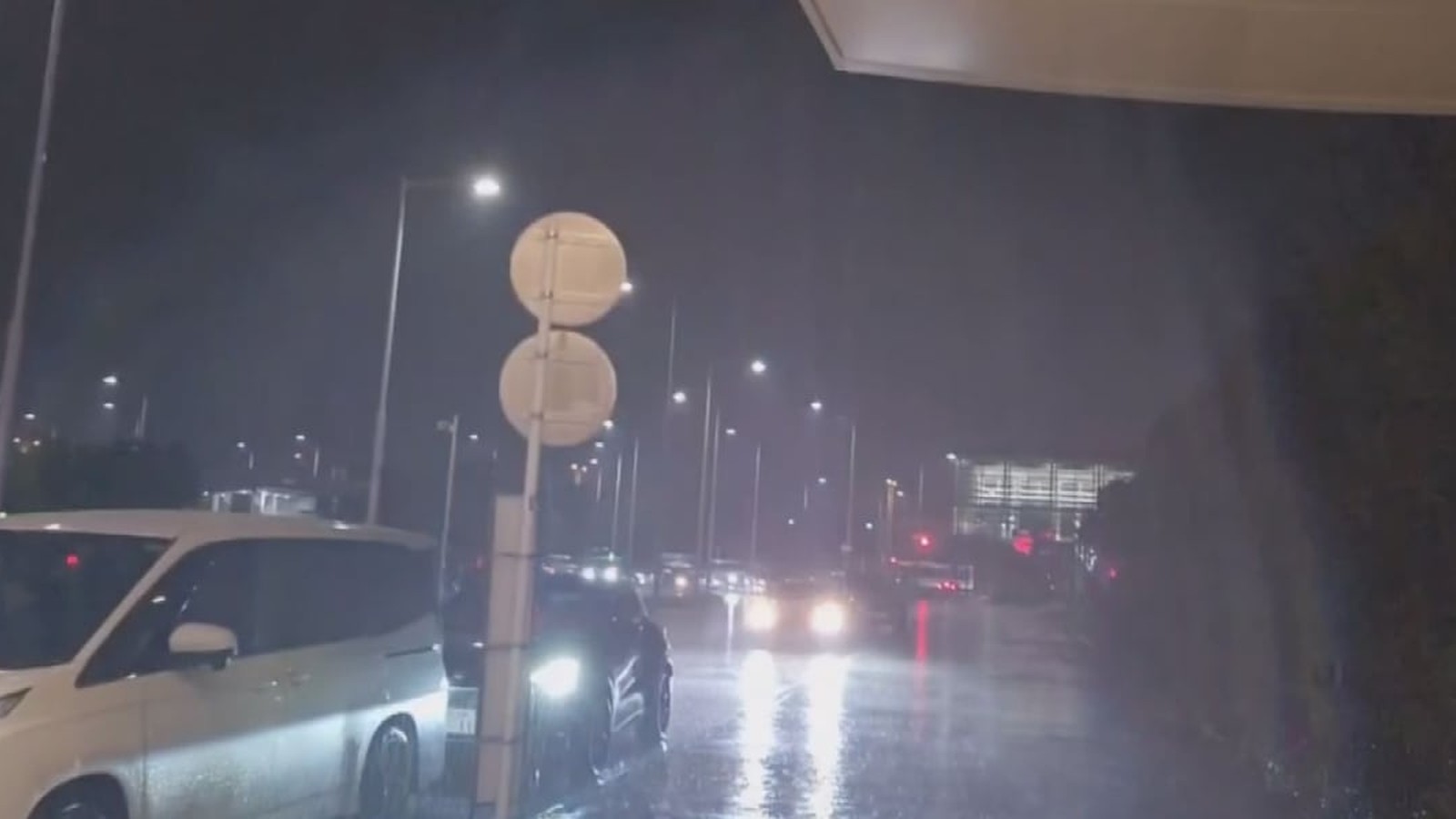
TOKYO — Severe meteorological disruptions caused by the approaching Typhoon Dujuan have forced widespread flight cancellations and event postponements across Japan, complicating travel during one of the country’s busiest holiday periods. The storm, which has brought relentless heavy rainfall to major administrative and transit hubs over the past 48 hours, is expected to intensify as its core moves closer to the Tokyo metropolitan area.
The timing of the typhoon has significantly exacerbated its logistical impact, coinciding with “Silver Week”—a rare consecutive alignment of Japanese national holidays that typically sees millions of domestic and international travelers active. According to reporting by Hawaii News Now, major international carriers, including Delta Air Lines, have begun offering flexible rebooking options, waiving change-of-fare fees for travelers attempting to secure earlier departures from Tokyo’s Haneda and Narita international airports. The sudden surge of passengers attempting to alter their itineraries has put immense pressure on customer service operations and airport infrastructure, with terminal facilities preparing for potential overnight delays.
The impact of Typhoon Dujuan extends beyond commercial aviation into regional sports and institutional event planning. Organizers of the Asian Games were forced to postpone an equestrian event due to the severe combination of high winds and torrential downpours. The postponement highlights the operational vulnerabilities of large-scale international athletic competitions when confronted with extreme weather systems, forcing coordination bodies to activate contingency plans to preserve athlete safety, animal welfare, and event continuity.
Meteorological agencies in Japan warn that the storm’s heaviest impact is projected for Monday afternoon and evening, with rainfall rates expected to spike significantly. Travel coordinators and local transit agencies are monitoring rail networks, which may also face preemptive suspensions if wind speeds exceed safety thresholds. Travelers are strongly advised to coordinate directly with their respective airlines, as both Haneda and Narita airports anticipate further schedule adjustments. Local authorities have also issued high-water and landslide warnings for low-lying areas, urging residents and tourists to limit non-essential travel until the storm system passes.