


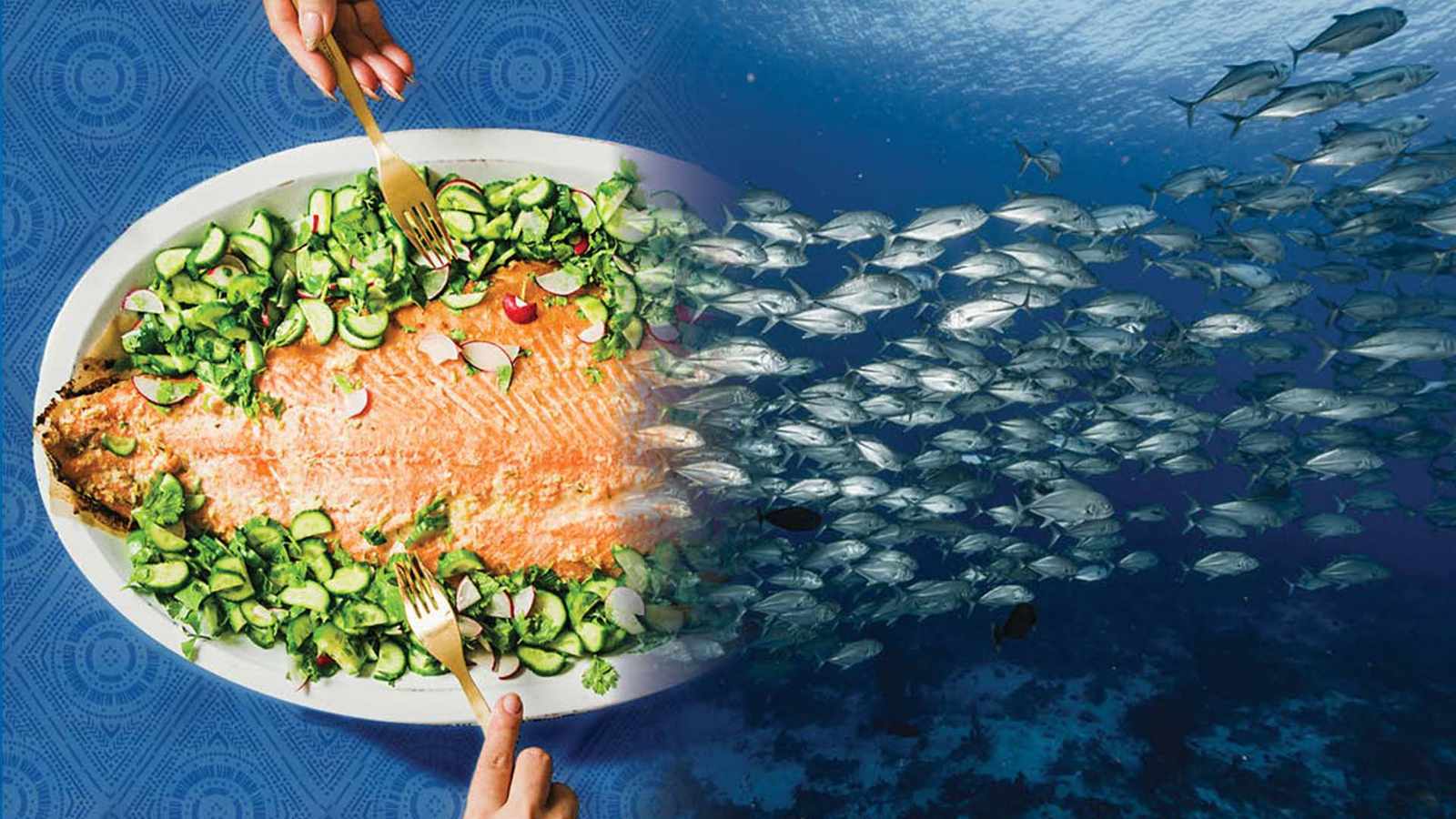
On July 31, 2026, a major class-action lawsuit was filed against retail giant Amazon in the U.S. District Court for the Western District of Washington, accusing the company of systemic consumer deception and greenwashing regarding its seafood products. The lawsuit alleges that Amazon misleads consumers by marketing several seafood brands with broad sustainability claims—such as “dolphin safe,” “sustainable,” “responsibly sourced,” and “traceable”—despite the products being sourced from fisheries that engage in ecologically destructive practices. The action marks a significant escalation in legal scrutiny over corporate environmental claims and third-party sustainability certifications.
The Core Allegations: Greenwashing in the Seafood Aisle
According to the legal complaint, the plaintiffs argue that Amazon’s point-of-sale web pages and product packaging present a “net impression” that the seafood offered causes minimal harm to marine life and the oceans. The suit explicitly targets dozens of products sold under prominent brands, including Bumble Bee, Starkist, Chicken of the Sea, Fishwife, and Amazon’s own private-label brand, 365 by Whole Foods Market. These products prominently feature certifications from the Marine Stewardship Council (MSC).
However, the lawsuit contends that these claims are at best unsubstantiated and at worst materially false. The complaint alleges that Amazon fails to disclose that many MSC-certified fisheries routinely utilize highly destructive fishing methods. These methods include bottom-trawling and dredging, which devastate seafloor habitats, as well as the use of fish aggregating devices (FADs) that result in massive amounts of marine bycatch—including non-target species like sharks, turtles, and marine mammals.
The plaintiffs behind the lawsuit represent everyday consumers who sought out sustainable choices. Madeleine Rogow, a resident of Los Angeles, California, purchased 365 by Whole Foods Market Sockeye Salmon Fillets under the belief that the product was environmentally benign. Similarly, Adam Sorkin of Chicago, Illinois, purchased multiple products from Bumble Bee, Chicken of the Sea, and Starkist, relying on the prominent sustainability messaging. Both plaintiffs state they would not have purchased the products, or would not have paid a premium for them, had they known the reality of the sourcing methods.
The Marine Stewardship Council Under Scrutiny
A central pillar of the lawsuit is a direct challenge to the credibility of the Marine Stewardship Council (MSC) certification itself. The Seattle-based law firm Hagens Berman, which filed the complaint on behalf of Rogow and Sorkin, did not mince words regarding the certification body. Steve Berman, Managing Partner and Co-Founder of the firm, publicly characterized the MSC as a “pay-for-play” scheme, alleging that the system effectively involves financial transactions between fisheries and auditors to secure a “meaningless label.”
The lawsuit further argues that the MSC “Chain of Custody” standard is fundamentally distinct from actual product traceability. While consumers are led to believe that “traceable” means a clear, transparent line from ocean to table, the complaint argues that most commercial fishing vessels cannot be publicly tracked. In many instances, vessels intentionally turn off their transponders to obscure their locations, making verification of sustainable sourcing virtually impossible. The suit cites estimates indicating that at least one-fifth of imported wild-caught seafood is harvested through irresponsible or unsustainable practices, a reality obscured by broad marketing labels.
Furthermore, the complaint alleges that Amazon’s marketing practices violate the Federal Trade Commission’s (FTC) Green Guides. The Green Guides explicitly warn marketers against making unqualified environmental benefit claims and emphasize that environmental seals or certifications can easily mislead consumers into believing a product offers broad, unearned environmental advantages.
Corporate Footprints and Legal Precedents
The legal action places Amazon, headquartered in Seattle, in a highly vulnerable position. Under Chief Executive Andy Jassy, Amazon has solidified its position as the second-largest grocery retailer in the United States, generating more than $150 billion in gross sales in 2025. This massive market share means that deceptive marketing claims on its platform impact millions of consumers nationwide. Interestingly, the lawsuit focuses liability directly on Amazon as the retailer and does not name the parent companies of the major seafood brands as defendants. These parent companies include Taiwan-based FCF (Bumble Bee), Thailand’s Thai Union Group (Chicken of the Sea), and South Korea’s Dongwon Industries (StarKist).
This lawsuit is not an isolated incident but rather the latest in an accelerating wave of greenwashing litigation targeting the retail and seafood sectors. In 2024, food conglomerate Conagra agreed to settle a class-action lawsuit alleging that the MSC label on its Mrs. Paul’s and Van de Kamp’s frozen seafood products was deceptive, a case in which plaintiffs sought $5 million in damages. Other major retail giants and seafood suppliers, including Walmart, ALDI, Gorton’s, and Mowi, have also faced similar legal challenges over their environmental claims.
Beyond Certifications: The Shift Toward Comprehensive Due Diligence
The growing legal risks for retailers relying solely on third-party labels were recently highlighted in a report by the marine conservation coalition Make Stewardship Count. The coalition warned that companies can no longer treat certifications like the MSC as a shield against legal, regulatory, and investor liabilities. Kelly Roebuck, Living Oceans Campaign Director and author of the report, emphasized that the global seafood industry is entering a new era that demands robust, multi-layered due diligence frameworks.
“Over the last decade, we have seen an increasing emphasis on the need for retailers and companies to adopt human rights and environmental due diligence approaches to their sourcing,” Roebuck stated. She argued that third-party certifications must only serve as one of several data points, which must be triangulated with independent sources to verify that supply chains do not cause severe ecological or social harm. For Amazon, the failure to implement such a comprehensive verification system has now culminated in a federal class-action lawsuit seeking compensatory damages, punitive damages, restitution, and sweeping injunctive relief to halt the allegedly deceptive marketing practices.