

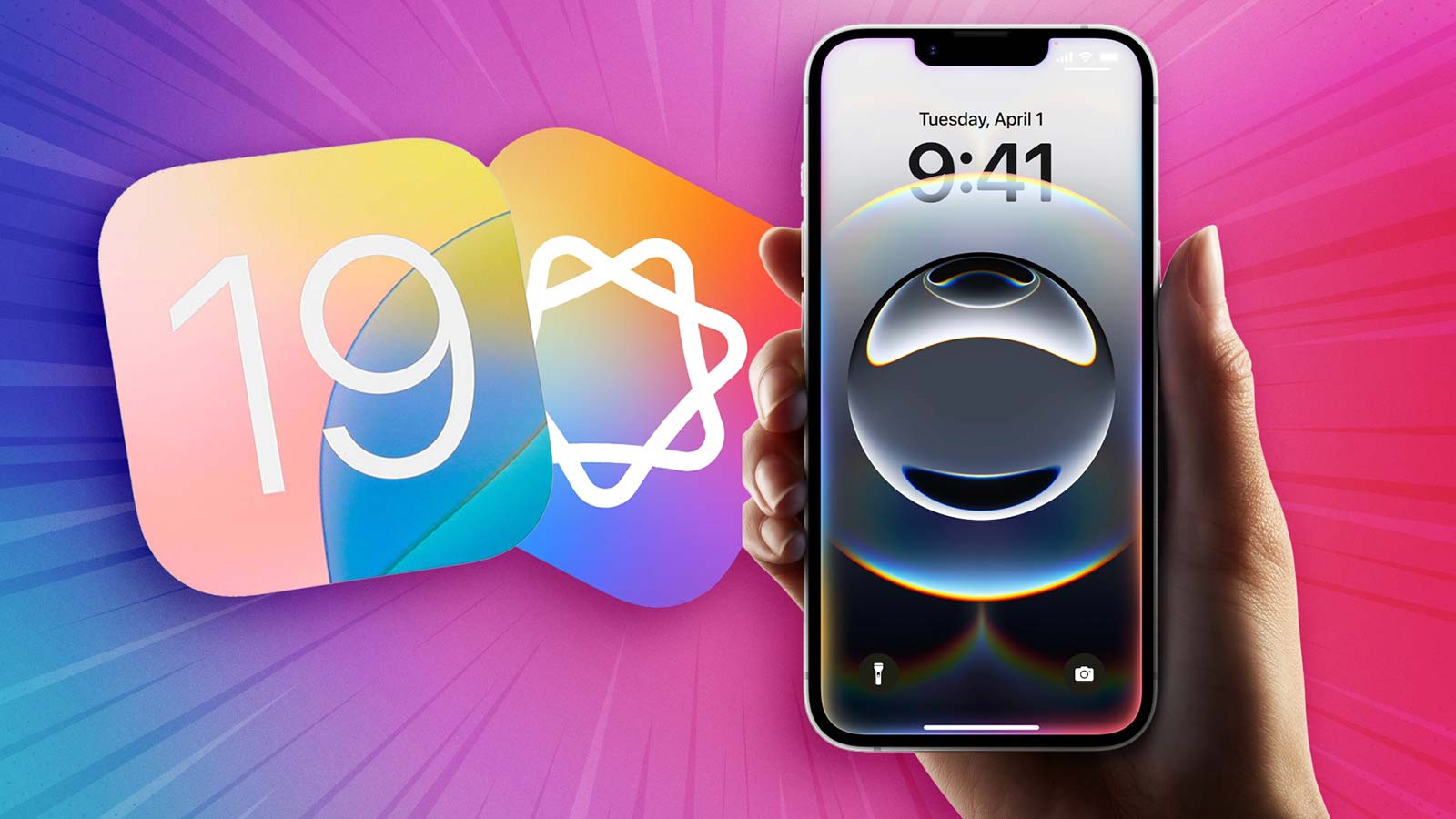
Apple to Introduce AI-Driven Battery Management in iOS 19
Apple Inc. is reportedly working on an innovative AI-powered feature for its upcoming iOS 19 software update. This new functionality aims to address one of the most common complaints among iPhone users: battery lifespan and performance. According to sources familiar with the matter, the feature will leverage artificial intelligence to optimize battery usage and reduce long-term degradation, ensuring a more reliable user experience.
Why Battery Life Is a Priority for Apple
Battery performance has long been a critical factor for smartphone users. Over time, lithium-ion batteries degrade, leading to reduced capacity and shorter usage times. For Apple, improving battery longevity is not just a technical challenge but also a customer satisfaction issue. The company has faced criticism in the past for its handling of battery-related performance issues, including the infamous “batterygate” controversy in 2017, where older iPhones were found to have their performance throttled to prevent unexpected shutdowns.
By integrating AI into battery management, Apple aims to proactively address these concerns. The feature is expected to analyze user habits, app usage, and charging patterns to optimize battery performance dynamically. This could significantly enhance the lifespan of iPhone batteries, reducing the need for replacements and contributing to Apple’s sustainability goals.
How the AI-Powered Feature Will Work
The AI-driven battery management system in iOS 19 is expected to function by learning from user behavior. For instance, it could identify when a user typically charges their phone and adjust power consumption accordingly. If a user charges their phone overnight, the system might slow down the charging process to reduce stress on the battery. Similarly, it could limit background app activity during periods of low usage to conserve power.
Apple has not officially disclosed the technical details, but industry experts speculate that the feature will rely on machine learning algorithms similar to those used in other Apple products. These algorithms could be integrated with the iPhone’s existing hardware, such as the A-series chips, to deliver real-time optimizations without compromising performance.
Launch Timeline and Expectations
iOS 19 is slated for release in September 2024, coinciding with the launch of the next generation of iPhones. The AI-powered battery management feature is expected to be one of the key highlights of the update. While Apple has not confirmed the feature publicly, leaks and insider reports suggest that it is in advanced stages of development.
Users and analysts alike are optimistic about the potential impact of this feature. If successful, it could set a new standard for battery management in smartphones, prompting competitors to follow suit. It also aligns with Apple’s broader strategy of integrating AI into its ecosystem, as seen in features like Siri and the recently introduced Vision Pro headset.
Industry Implications and Competitor Response
Apple’s move to incorporate AI into battery management could have far-reaching implications for the tech industry. Competitors like Samsung, Google, and Huawei may feel pressured to develop similar technologies to remain competitive. This could lead to a wave of innovation in battery technology, benefiting consumers across the board.
Moreover, the feature could strengthen Apple’s position in the AI arms race, where companies are vying to integrate artificial intelligence into various aspects of their products. By focusing on practical applications like battery management, Apple demonstrates its commitment to enhancing user experience through technology.
Challenges and Limitations
While the AI-powered battery management feature holds promise, it is not without challenges. For one, the effectiveness of the feature will depend on the accuracy of the algorithms and the quality of the data they analyze. Any inaccuracies could lead to suboptimal performance or even unintended consequences, such as faster battery degradation.
Additionally, privacy concerns may arise, as the feature will likely require access to user data to function effectively. Apple has a strong track record of prioritizing user privacy, but it will need to ensure that the feature complies with its stringent privacy standards to maintain consumer trust.
Apple’s planned AI-powered battery management feature for iOS 19 represents a significant step forward in smartphone technology. By addressing a longstanding pain point for users, the company not only enhances its products but also reinforces its commitment to innovation and sustainability. As the tech world eagerly awaits the launch of iOS 19, all eyes will be on Apple to see how this new feature performs in real-world scenarios.
Source: Insider Monkey, Bloomberg