


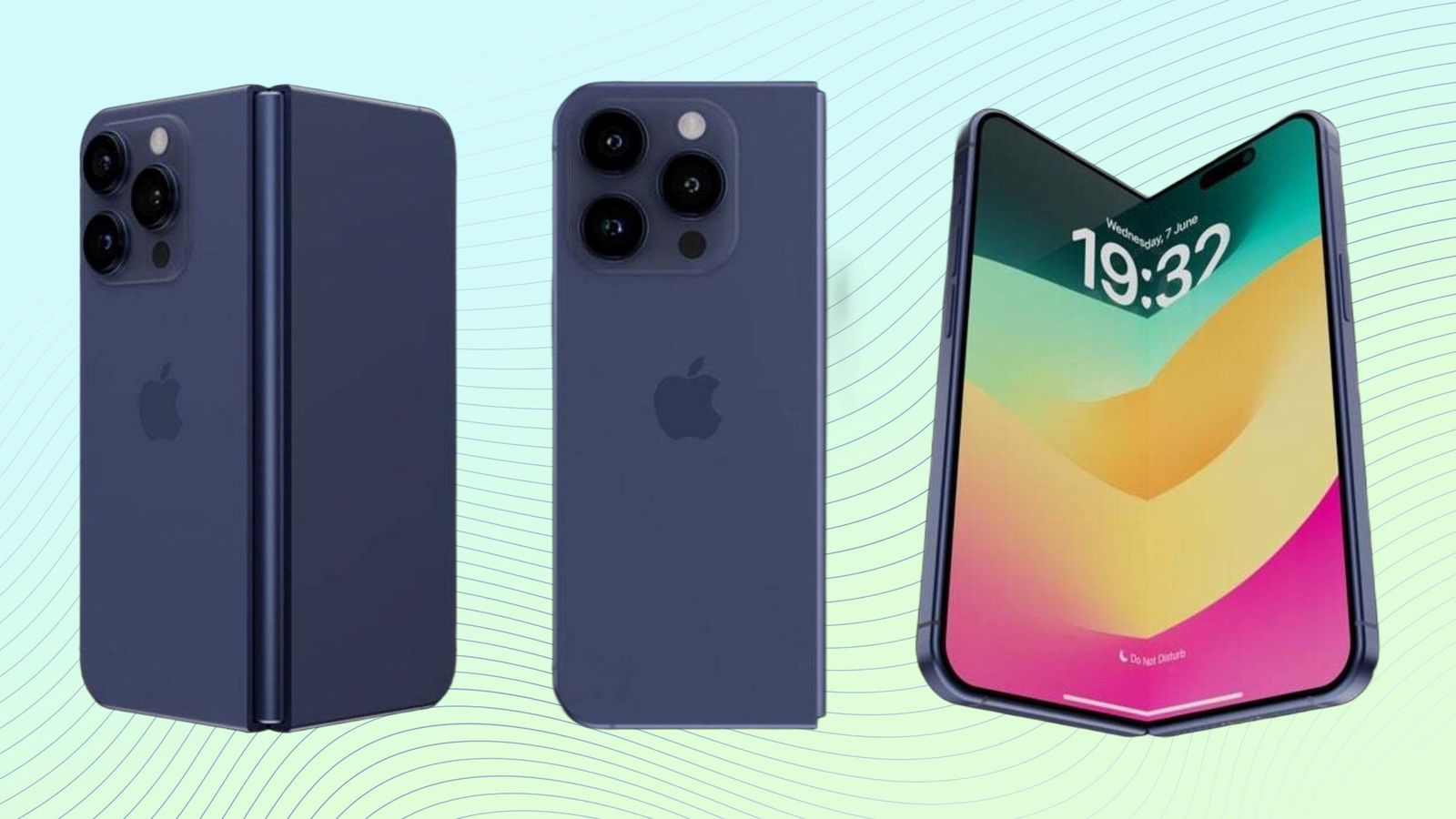
A New Chapter in Cupertino
Apple officially unveiled its latest generation of iPhones at its Cupertino headquarters on Wednesday, September 9, 2026. The event marks a significant milestone for the tech giant, serving as the first keynote address for new CEO John Ternus, who formally succeeded Tim Cook on September 1, according to The Hour.
The centerpiece of the launch is the company’s first foldable smartphone, a move that places Apple directly into a competitive segment currently dominated by rivals like Samsung, Google, and Motorola. While Apple has historically waited for technologies to mature before entering a market, the foldable launch represents a strategic attempt to capture a segment that analysts believe has significant untapped potential.
Strategic Market Entry
The timing of Apple’s entry into the foldable market is deliberate. According to CNBC, rivals such as Xiaomi and Huawei have accelerated their own foldable releases this week, with Xiaomi introducing the ’18 Fold’ and Huawei showcasing the third generation of its ‘Mate XT2’ trifold device. Despite this, industry experts suggest strong consumer demand remains for an Apple-branded foldable.
“The foldable launch is straight out of Apple’s playbook: Wait for the product to work out its kinks and for the market to offer glimpses of viability, then enter and shape the category,” said Forrester analyst Dipanjan Chatterjee. Counterpoint Research projects that Apple could ship 6 million foldable units this year, potentially capturing 25% of the global market, with that share expected to rise to 40% by 2027.
Leadership and Economic Stakes
For CEO John Ternus, the event is both an opportunity and a challenge. Analysts note that while he inherits a highly successful company, he faces the pressure of managing global supply chain constraints, including a persistent memory chip shortage that is expected to drive up the cost of the iPhone 18 lineup. The previous generation, the iPhone 17, ranged in price from $799 to $1,999.
Beyond hardware, Ternus must navigate a period where the company is aggressively integrating artificial intelligence into its ecosystem, including recent upgrades to the Siri assistant. The broader challenge for the new CEO, according to Chatterjee, is to sustain Apple’s momentum while preparing the company for a future where the smartphone may no longer be the primary interface for users to access digital services.