


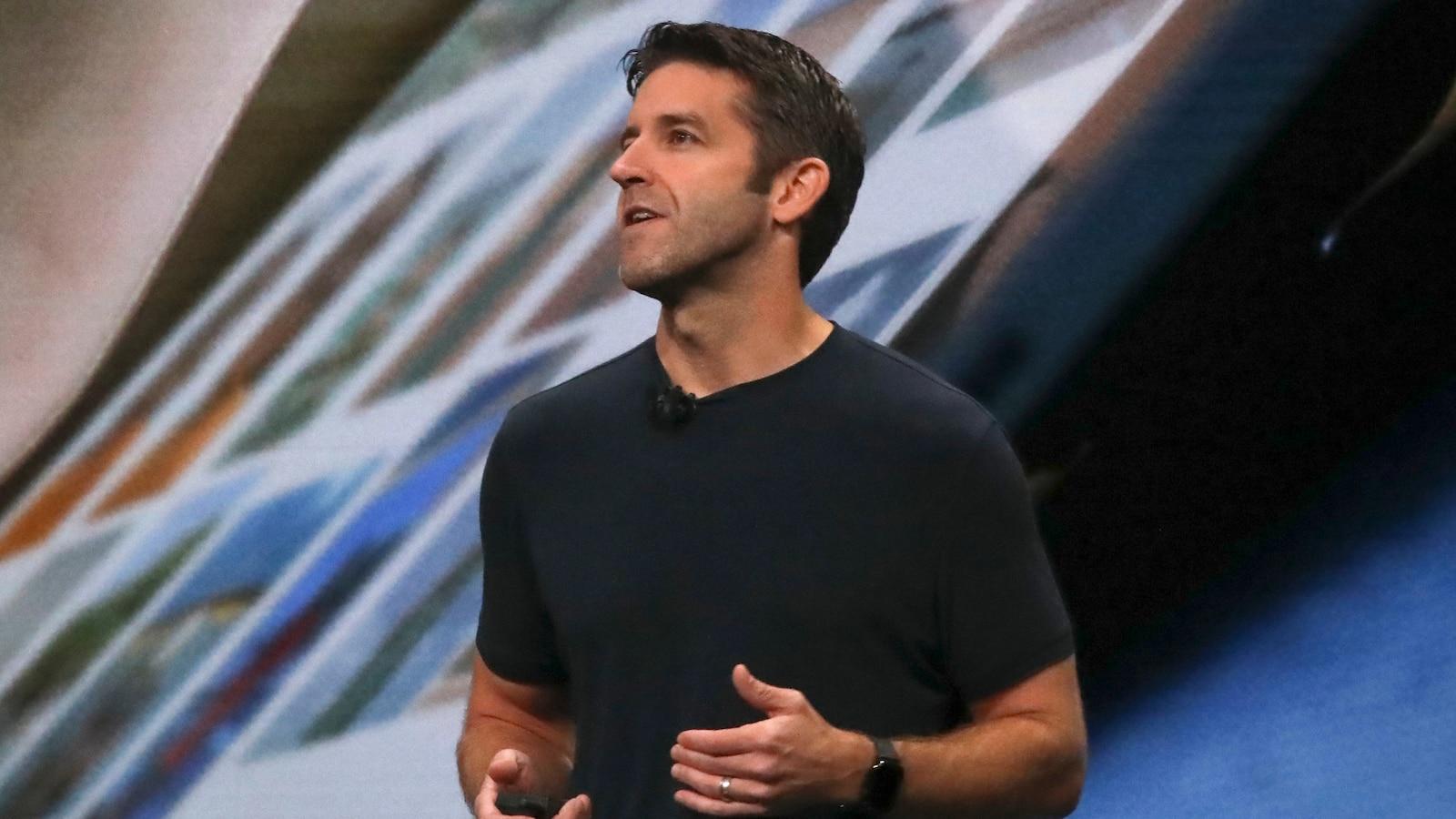
CUPERTINO — On Tuesday, September 1, 2026, John Ternus officially assumed the role of Chief Executive Officer at Apple Inc., bringing an end to Tim Cook’s transformative 15-year tenure at the helm of the world’s most valuable technology enterprise. Cook, who led Apple through an unprecedented era of commercial expansion that saw its market valuation reach $4.6 trillion, has transitioned to the role of executive chairman. As reported by TechCrunch and ABC News, the leadership handover marks only the third executive transition at Apple this millennium, underscoring a deep corporate commitment to organizational stability and institutional continuity.
Ternus, 51, steps into the chief executive office after serving as Apple’s Senior Vice President of Hardware Engineering. His appointment, originally signaled in April, arrives at a high-stakes juncture for the Cupertino icon. Within days, Ternus will headline his first major keynote as CEO at Apple’s headquarters, presenting the company’s newest lineup of flagship iPhones. Beyond immediate product rollouts, Ternus inherits the complex operational challenge of bridging Apple’s unmatched consumer hardware prowess with rapid advancements in generative artificial intelligence and shifting geopolitical dynamics surrounding global supply chains.
A 25-Year Trajectory Through Apple Silicon and Hardware Engineering
Ternus brings a quarter-century of internal Apple experience to the chief executive position. Joining the company’s product design team in 2001—his second job after graduating with a mechanical engineering degree from the University of Pennsylvania—Ternus rose systematically through the engineering ranks. He was appointed Vice President of Hardware Engineering in 2013 and elevated to Senior Vice President in 2021, directly reporting to Cook.
During his 25 years at Apple, Ternus oversaw engineering execution across flagship product lines, including the Mac, iPhone, iPad, AirPods, Apple Watch, and the Vision Pro spatial computer. Crucially, Ternus played a central role in executing Apple’s strategic transition away from Intel processors toward proprietary Apple silicon—a architectural shift that redefined performance and energy efficiency across the Mac ecosystem. Most recently, he championed the development of the MacBook Neo, an entry-level laptop designed around high-efficiency iPhone chip architecture to maintain Apple design standards while lowering consumer cost barriers.
Colleagues and industry analysts highlight Ternus’s methodical focus on micro-craftsmanship as a defining leadership trait. Recalling his early career inspecting display components, Ternus has frequently cited Steve Jobs’s insistence on aesthetic perfection—even on unseen internal components—as the foundational ethos guiding his product oversight. At 51, Ternus is 15 years younger than Cook was at transition, suggesting that Apple’s board has chosen a leader capable of providing long-term executive guidance for the next two decades.
Navigating the AI Upheaval and Strategic External Partnerships
The primary strategic imperative confronting Ternus is accelerating Apple’s positioning within the generative artificial intelligence landscape. The tech sector has experienced its most profound paradigm shift since the release of the original iPhone in 2007, and Apple’s initial AI strategy encountered public delays and scrutiny over early feature rollouts. Under the expanded framework now taking shape, Apple is integrating privacy-focused device intelligence alongside external cloud capabilities, including a renewed Siri architecture powered in part by Google’s Gemini AI models.
Industry observers note that while Cook built Apple into an operational superpower anchored by supply chain optimization, services growth, and global retail expansion, Ternus’s background is rooted directly in technical product execution. Observers point out that his immediate challenge will be translating Apple’s custom hardware capability into a seamless, AI-native user environment that matches aggressive moves from Microsoft, Google, and Meta.
Addressing staff on his final day as chief executive, Cook expressed absolute confidence in his successor, writing, “I take enormous comfort in handing the helm to someone as brilliant and wonderful and capable as John. Few people understand what it takes to build products that change the world the way John does.”
Supply Chain Resiliency, Geopolitics, and Corporate Soft Power
Beyond product design and software integration, Ternus must navigate external political and macroeconomic pressures. Apple’s global production network remains heavily reliant on intricate Asian supply chains now subject to fluctuating tariff proposals, rising memory component costs, and shifting trade regulations. Managing these international operational dependencies requires diplomatic dexterity—a skill Cook mastered over 15 years through direct engagements with world leaders, including U.S. President Donald Trump, who publicly praised Cook’s leadership during Tuesday’s transition.
With Cook remaining actively involved as executive chairman, Apple aims to preserve key government and diplomatic relationships while allowing Ternus to focus on internal hardware and software execution. Nevertheless, Wall Street will closely scrutinize how Ternus manages profit margins against rising component costs and whether he can sustain hardware upgrades as smartphone replacement cycles lengthen.
As Ternus prepares to take the stage in Cupertino next week, his ascension reflects a calculated decision by Apple’s board: entrusting the world’s $4.6 trillion consumer technology benchmark to a veteran engineer dedicated to product precision, structural continuity, and long-term innovation.