


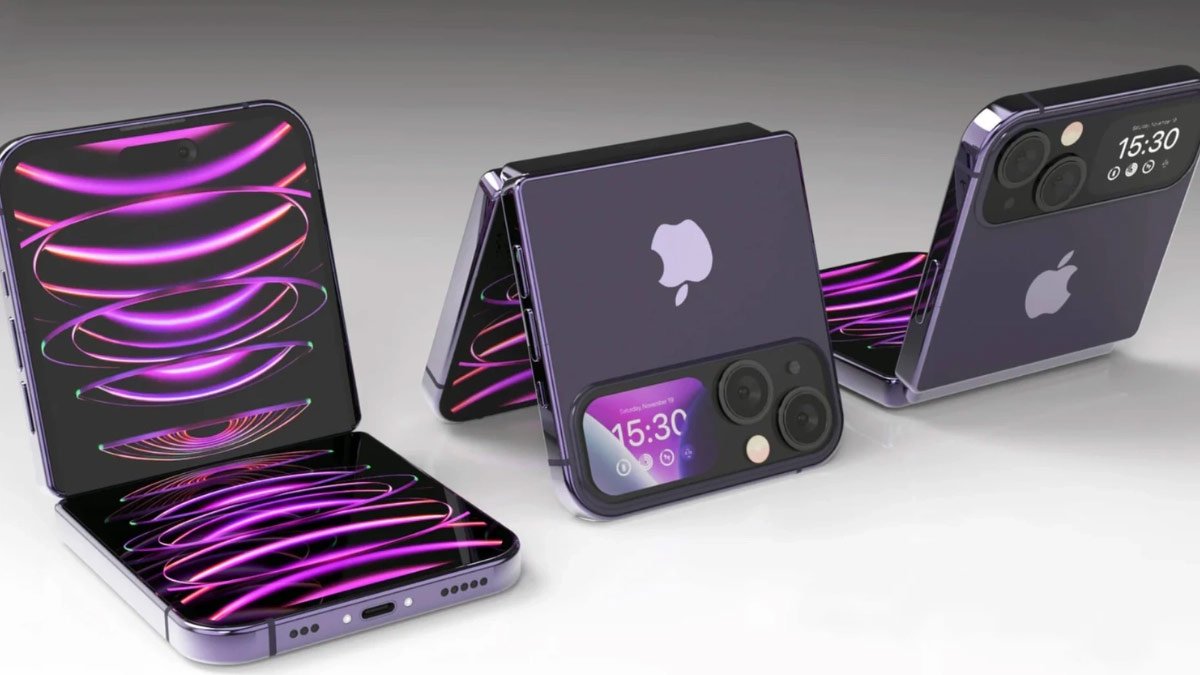
A Leadership Transition at the Steve Jobs Theater
Apple holds its “Surprise and Shine” keynote today in Cupertino, marking a pivotal moment for the technology giant. The event serves as the first product launch under new CEO John Ternus, who succeeds Tim Cook. The center of attention is the expected debut of Apple’s first foldable device, widely anticipated to be branded as the “iPhone Ultra,” with a rumored starting price exceeding $2,000, according to Citi analysts.
Alongside the foldable model, the company is expected to showcase the iPhone 18 Pro lineup, updated Apple Watches, and new AirPods. The launch arrives at a sensitive time for the firm, which is balancing consumer demand against the necessity of maintaining premium margins in an inflationary environment.
The Memory Chip Headwind
The core challenge facing Ternus is the rising cost of memory components. In his final earnings call as CEO, Tim Cook described the current memory chip market as a “100-year flood,” noting that exponential price increases for high-bandwidth memory (HBM) and dynamic random-access memory (DRAM) are pressuring profitability, as reported by Yahoo Finance. Apple faces a narrow strategic path: either absorb the rising costs and accept lower margins, or pass the expenses to consumers through higher device prices, risking potential sales volume declines.
Citi analysts project that Apple may sell approximately 5 million units of the new foldable iPhone in the second half of 2026, with an additional 2.3 million units moving in the first quarter of 2027. Whether this volume is sufficient to offset the costs of component inflation remains a central concern for institutional investors.
Market Valuation and Investor Outlook
Apple’s stock price has outperformed the S&P 500 this year, rising roughly 18% compared to the index’s 13% gain, according to The Motley Fool. However, analysts warn that the company’s current valuation premium—higher than many tech peers—is under scrutiny. Bank of America analyst Wamsi Mohan noted that while Apple stock historically sees a “sell-the-news” reaction following iPhone reveals, it has gained in the 60 days following such events in 17 separate instances since 2007.
For investors, the immediate focus is not just the hardware innovation, but the market’s reaction to the pricing strategy. If higher prices lead to slower upgrade cycles or consumer migration to other platforms, the market may adjust its valuation of Apple to align more closely with other big-tech benchmarks.