


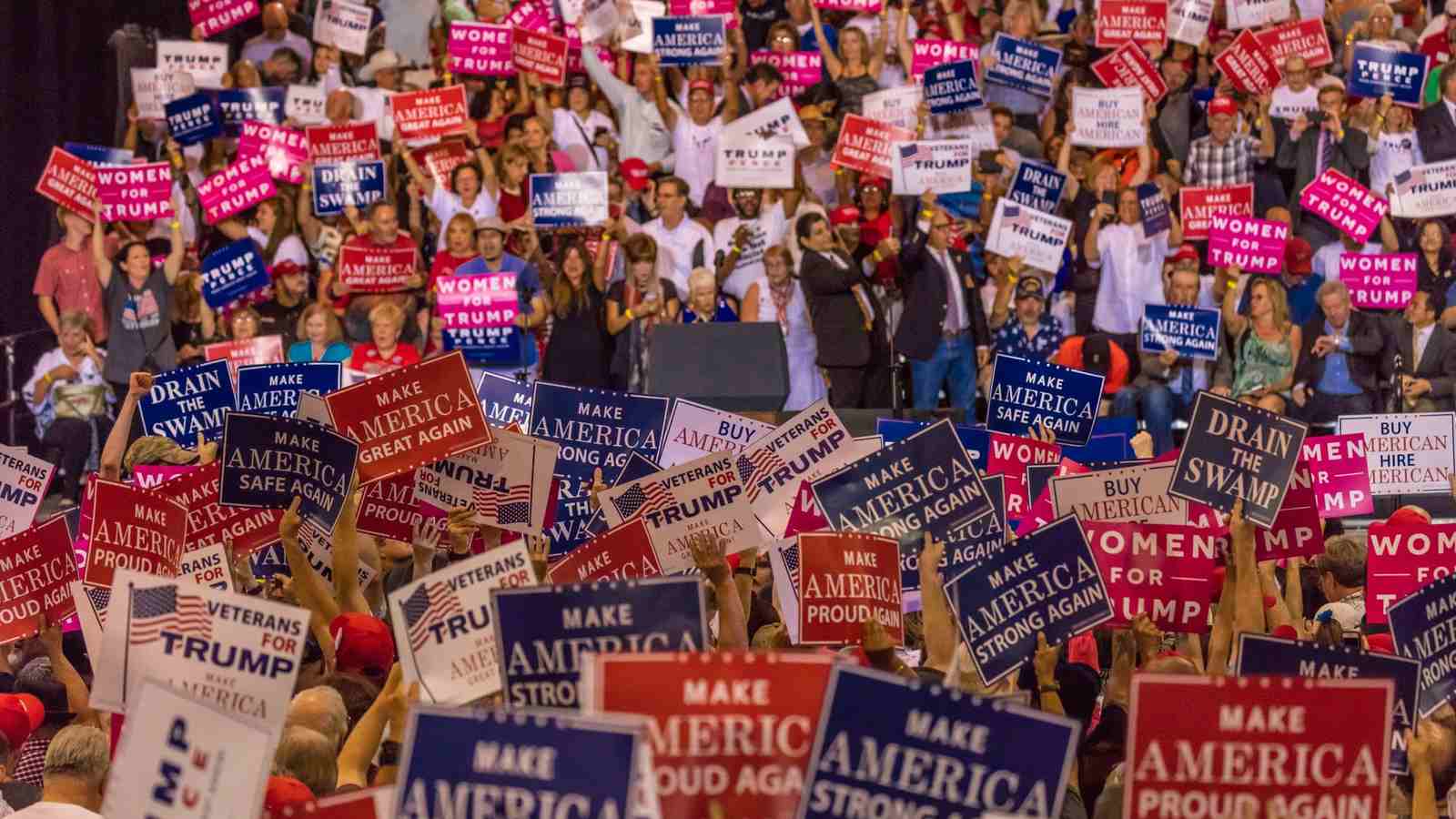
Republicans in Arizona are confronting a profound existential crisis following the November midterm elections, which resulted in the party being completely locked out of statewide power for the first time in decades. According to an article published by The Guardian on November 15, 2026, Democrats swept every statewide office on the ballot and secured a legislative trifecta not seen in the state since 1966. The sweeping losses have triggered an intense internal debate over whether the party’s steadfast alignment with Donald Trump’s Make America Great Again (MAGA) movement alienated critical independent and moderate voters, or whether the GOP simply failed to execute an effective ground game.
The Scale of the Democratic Sweep
The electoral reversal dismantled a decades-old Republican stronghold that was once defined by the conservative orthodoxy of Barry Goldwater and the maverick politics of John McCain. In this cycle, Democratic incumbents and challengers alike secured decisive victories. Congressman Andy Biggs, a prominent MAGA supporter, lost his race by more than 10 percentage points to the Democratic incumbent. Meanwhile, high-profile Trump allies like Alexander Kolodin—who ran for secretary of state—were soundly defeated by Democratic incumbent Adrian Fontes. Even local offices shifted dramatically, with a 19-year-old college sophomore defeating a tenured Republican to become superior county clerk in Maricopa County, the fourth-largest county in the nation.
Former Arizona Republican party chair Gina Swoboda acknowledged the disconnect, stating in the report published by The Guardian that the party had stopped listening to everyday voters. Swoboda pointed to tone-deaf messaging that ignored pressing public concerns such as inflation and economic pressures, while also criticizing the outsized influence of outside kingmakers like Turning Point Action, the Phoenix-based youth group founded by Charlie Kirk that poured millions into primary races.
The Strategic Debate: Too MAGA or Not Enough?
At the heart of the party’s post-mortem is a divisive ideological question posed by former Arizona House Speaker Kirk Adams: "Were we too Maga or not Maga enough?"
Adams warned that without substantial structural and messaging changes, the party risks prolonged minority status in a state where independent voters—who broke hard against Republicans this cycle—constitute the largest share of the electorate, despite the GOP’s nearly 300,000 voter-registration advantage over Democrats.
Conversely, figures aligned with the party’s hard-right wing dispute the narrative that conservatism is a liability. Tyler Bowyer, chief operating officer of Turning Point Action, argued on social media that more moderate Republican candidates actually lost more ground in various red and swing states than staunch conservatives. Bowyer outlined a preliminary 2028 strategy focused on early candidate alignment, securing early financial commitments from conservative funding networks like the Club for Growth, and mobilizing low-propensity voters.
Pathways Forward and Institutional Stakes
The debate highlights a fractured leadership structure within the Arizona GOP. With traditional power brokers like governors and senators absent from the party apparatus, rebuilding a cohesive political machine remains a daunting challenge. As the state adjusts to a Democratic trifecta under Governor Katie Hobbs—who cemented her appeal by incorporating moderates and independents into her coalition—Arizona Republicans must decide whether to double down on populist firebrand politics or return to a broader, more coalition-driven conservative framework ahead of the 2028 presidential cycle.