


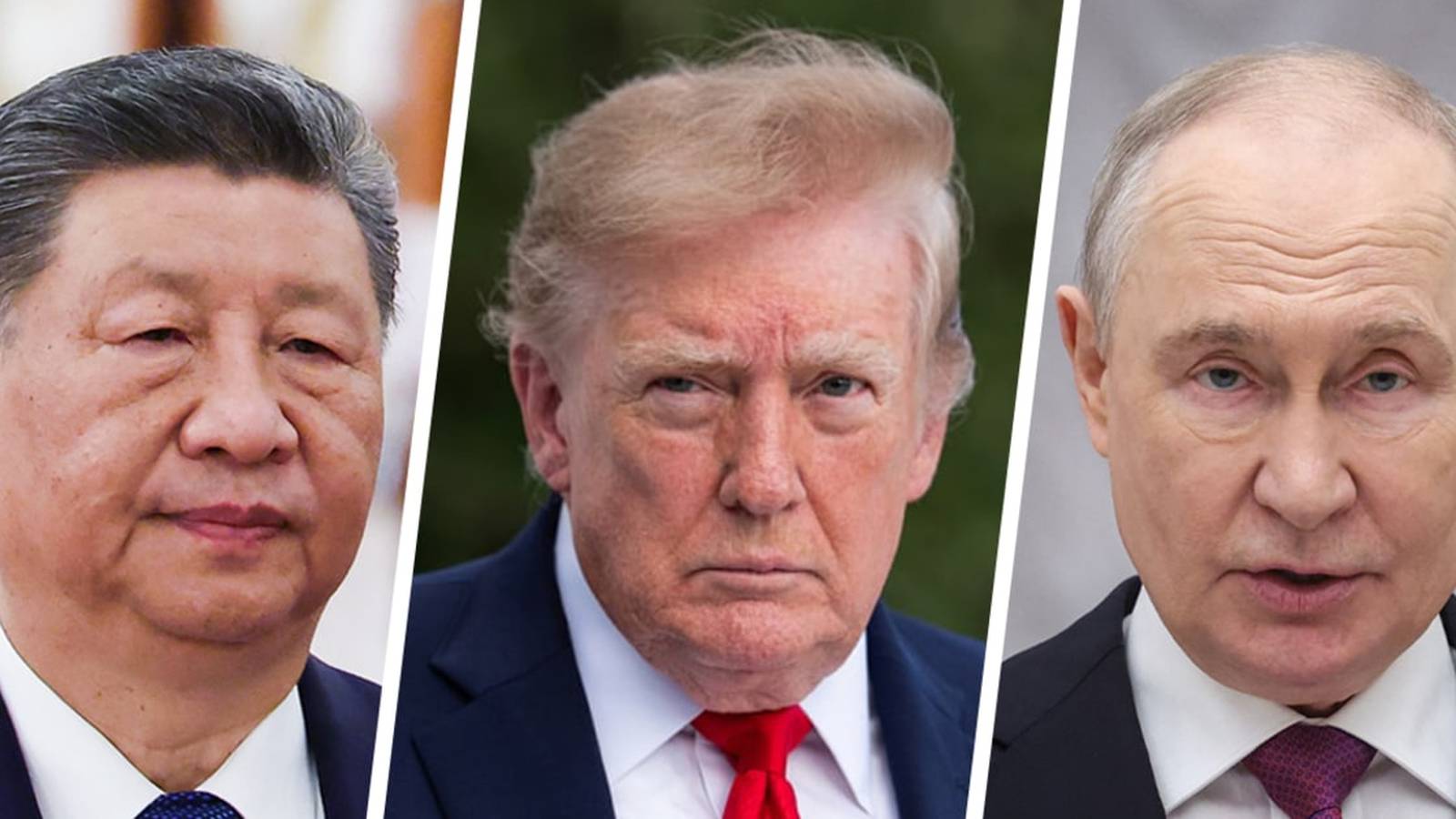
SHENZHEN (Azat TV) – As world leaders prepare for the Asia-Pacific Economic Cooperation summit in Shenzhen on November 15, 2026, Beijing finds itself managing a complex diplomatic dilemma. An unprecedented trilateral meeting involving U.S. President Donald Trump, Chinese President Xi Jinping, and Russian President Vladimir Putin is being arranged on the sidelines of the summit, drawing global attention to the optics of great-power bargaining. While White House officials have confirmed the gathering, Beijing has adopted a cautious posture, stating publicly through foreign ministry channels that it remains in communication with relevant parties while official confirmation is finalized.
The proposed three-way summit presents significant strategic complexities for China. Hosting the sitting leaders of the United States and Russia in a joint session elevates the diplomatic standing of Moscow, potentially undercutting years of concerted efforts by Western allies to isolate the Kremlin following its full-scale invasion of Ukraine. At the same time, aligning visually with Washington’s foremost strategic rivals poses domestic and international challenges for Beijing, exposing Chinese leadership to uncomfortable dynamics in superpower politics.
Nuclear Arms Control and Global Stakes
According to details outlined by NBC News, senior U.S. officials described the upcoming session as an entry point for broader discussions, highlighting nuclear arms reduction as a primary agenda item for Washington. President Trump has maintained that proliferation is a critical danger, emphasizing the need to bring China into formal arms control discussions following the expiration of the New START treaty between the United States and Russia in February.
However, Beijing has shown minimal interest in participating in a trilateral nuclear pact. Pentagon estimates place China’s nuclear arsenal at more than 600 warheads—a substantial capability, yet significantly smaller than the estimated inventories of over 5,000 warheads held individually by both the United States and Russia. Senior U.S. administration officials noted that Washington intends to push Beijing toward broader strategic accountability, though senior officials acknowledged that no binding agreements are anticipated to emerge directly from this initial meeting.
Conflicting Agendas and Diplomatic Tracks
The diplomatic landscape surrounding the Shenzhen gathering is marked by divergent priorities among the participating superpowers. While President Trump has indicated intentions to address regional security issues such as the ongoing war involving Iran, U.S. officials clarified that Russia’s military campaign in Ukraine will be handled through a separate diplomatic track. According to administration statements reported by NBC News, because China is not a party to the Ukraine conflict negotiations, discussing the matter within the trilateral format would not be appropriate.
Meanwhile, DW noted that the prospect of the three leaders standing shoulder-to-shoulder has prompted international comparisons to historical conferences like Yalta, where major powers carved out spheres of influence. For the Kremlin, securing a joint photo opportunity with the American and Chinese presidents represents a major diplomatic win, offering relief from prolonged international isolation. As Beijing weighs the final arrangements, foreign policy observers continue to monitor whether the summit will serve as a genuine turning point in global arms control or primarily function as a symbolic stage for great-power posturing.