


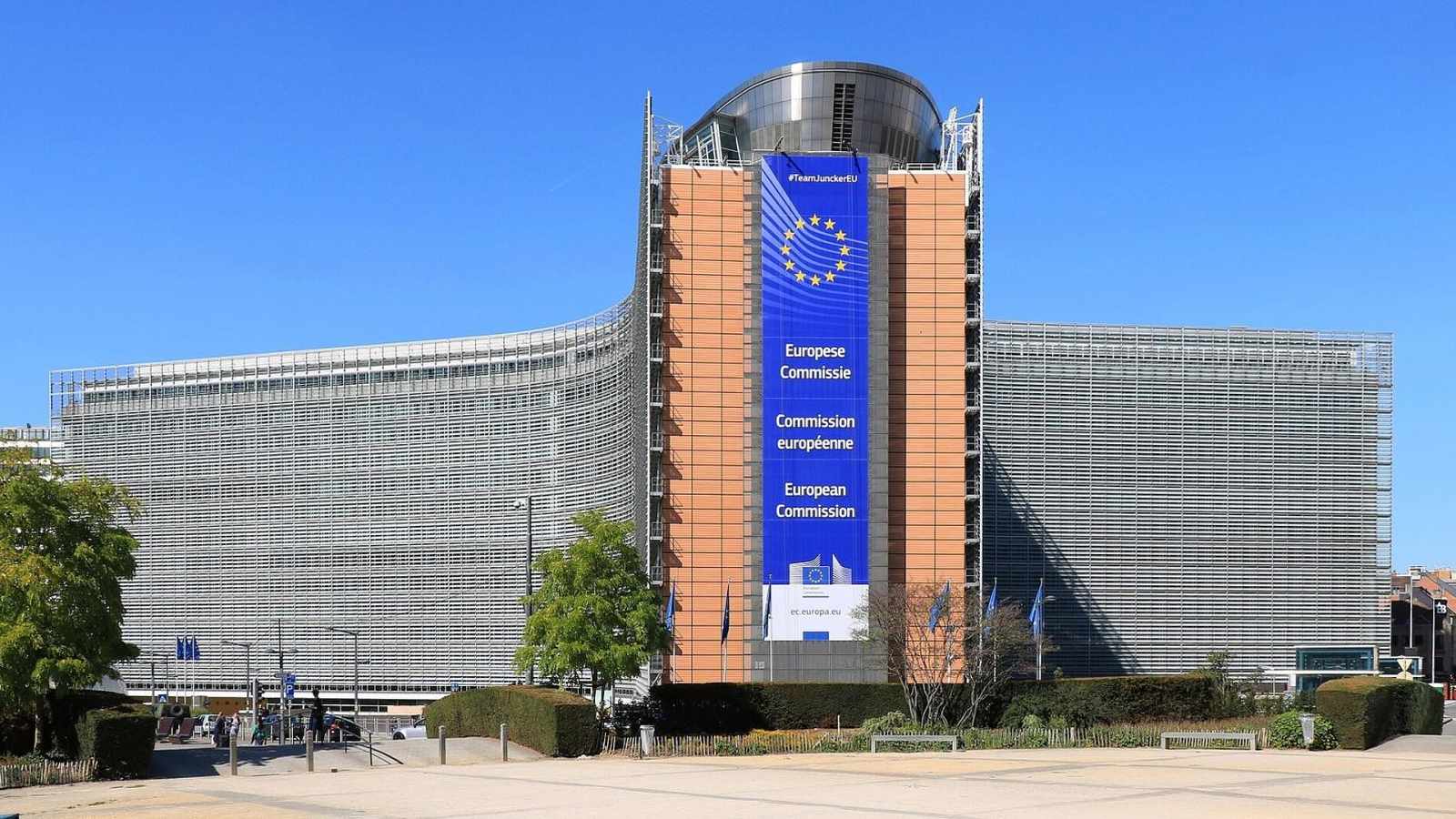
The European Commission has officially finalized the agenda for the inaugural Armenia-EU summit, scheduled to take place in Yerevan on May 4-5, 2026. This high-level gathering represents a significant diplomatic milestone, signaling a deepening of institutional ties between Brussels and Yerevan. The summit will be attended by Armenian Prime Minister Nikol Pashinyan, European Commission President Ursula von der Leyen, and European Council President António Costa, underscoring the strategic importance the European Union places on Armenia’s democratic trajectory and regional resilience.
Institutional Alignment and Strategic Cooperation
The summit agenda focuses on cementing the strategic partnership framework established during the 6th meeting of the EU-Armenia Partnership Council in Brussels last December. By convening in Yerevan, the European leadership is signaling a clear commitment to supporting Armenia’s sovereignty and its ongoing internal democratic reforms. Central to these discussions is the practical application of the strategic partnership agenda signed by Foreign Minister Ararat Mirzoyan and High Representative Kaja Kallas, which prioritizes rule of law, institutional accountability, and sustainable economic development.
Security and Border Management
A tangible outcome of this summit will be the signing of a formal working agreement between the Armenian Ministry of Internal Affairs and the European Border and Coast Guard Agency (FRONTEX). This development is critical for Armenia’s border security infrastructure, reflecting a move toward closer technical and operational cooperation with European security mechanisms. For the Armenian public and policy observers, this represents a shift from abstract diplomatic dialogue to concrete institutional integration, aimed at bolstering the country’s capacity to manage its borders and security environment independently.
Building a Sustainable Future
The decision to hold this summit in Yerevan is not merely symbolic; it serves as a litmus test for Armenia’s ability to maintain its democratic path amidst a complex geopolitical landscape in the South Caucasus. The focus on democratic reform, coupled with the FRONTEX agreement, suggests that the EU is betting on Armenia as a stable partner in the region. The success of this summit will likely be measured by the transparency of the implementation phase of these agreements. As the government continues to navigate external pressures, the reliance on European institutional standards provides a necessary, though challenging, framework for securing long-term national interest and civil liberties.