


The Strategic Entry into the U.S. Market
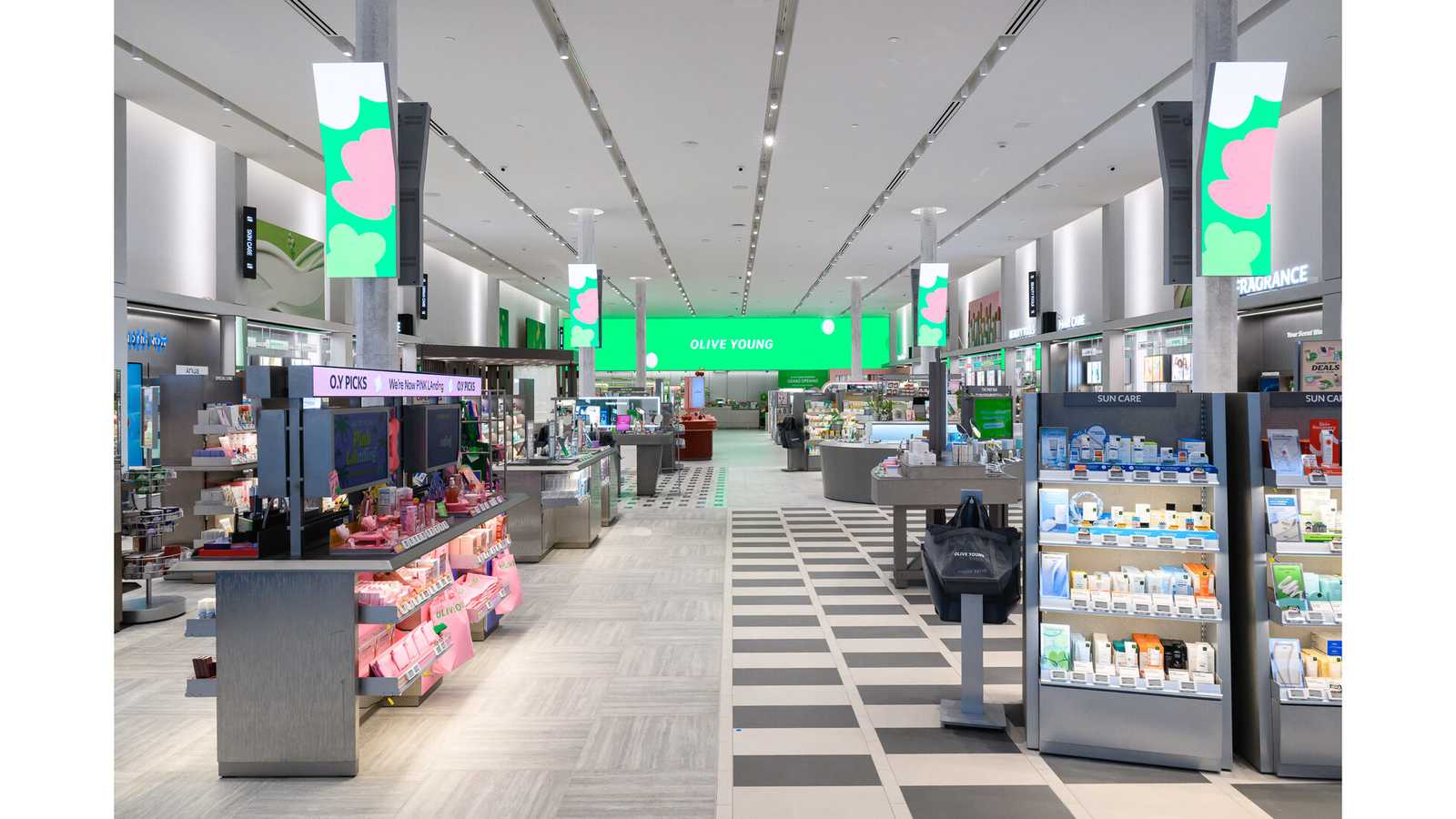
On May 29, 2026, South Korea’s premier beauty and lifestyle retailer, Olive Young, officially inaugurated its first brick-and-mortar storefront in the United States. Located at 58 W Colorado Blvd in Pasadena, California, the 8,647-square-foot flagship store represents more than just a retail expansion; it is a calculated effort to institutionalize the K-beauty experience for a U.S. consumer base that has increasingly turned to Korean skincare and wellness products over the past decade.
The U.S. market has become the primary destination for K-beauty exports, with recent data indicating that Korean beauty product sales in the U.S. reached $2.4 billion, reflecting a 48% year-over-year growth. For Olive Young, which operates over 1,380 stores in South Korea and generated approximately $4.2 billion in annual sales in 2025, this expansion is a direct response to the democratization of Korean beauty trends, largely fueled by digital platforms and social commerce.
An Experiential Retail Model
Unlike traditional American beauty retailers that often organize floor space by brand, Olive Young’s Pasadena location utilizes a “category-first” approach. The store is divided into specialized zones based on specific skin concerns, such as hydration, brightening, and texture improvement. This layout is designed to facilitate a “results-oriented” shopping journey, allowing consumers to navigate products by active ingredients and functionality rather than brand name recognition.
The store serves as a “beauty playground,” a concept CEO Gaeun Kwon describes as essential for building brand awareness. Key features include:
- Personalized Consultations: Free skin scanning technology and scalp analysis services are integrated into the customer journey, providing data-driven recommendations tailored to individual needs.
- The Beauty Lab: An educational hub offering “Skincare Lessons” where consumers can learn about serum layering, double cleansing, and the efficacy of various K-beauty staples.
- Testing Stations: Dedicated water-basin areas allow for hands-on product trials, moving away from the passive shelf-shopping experience common in traditional U.S. pharmacies.
Logistics and Expansion Roadmap
The launch of the physical store is complemented by the debut of a U.S.-exclusive online platform. This digital integration is a critical component of the company’s strategy to eliminate the friction of international shipping and import tariffs, which had previously hampered the direct-to-consumer model for American shoppers. By centralizing operations, Olive Young aims to capture a larger share of the U.S. market, where Americans already account for roughly half of the company’s current global direct-to-consumer customer base.
Looking ahead, the company has outlined an aggressive growth trajectory. Olive Young plans to open at least five additional locations across California by the first half of 2027, with a secondary site already slated for the Westfield Century City mall in Los Angeles. Following the consolidation of its California presence, the retailer is expected to evaluate expansion opportunities in New York and other major metropolitan areas.
The success of the Pasadena flagship will serve as a bellwether for the long-term viability of the K-beauty retail model in the U.S. While the sector has seen explosive growth through digital channels, the ability to replicate the service-oriented, community-focused retail environment of Seoul in an American context remains the ultimate test. By prioritizing consumer education and a frictionless omnichannel experience, Olive Young is positioning itself not merely as a retailer, but as a lifestyle platform capable of navigating the complex nuances of the American beauty consumer.