


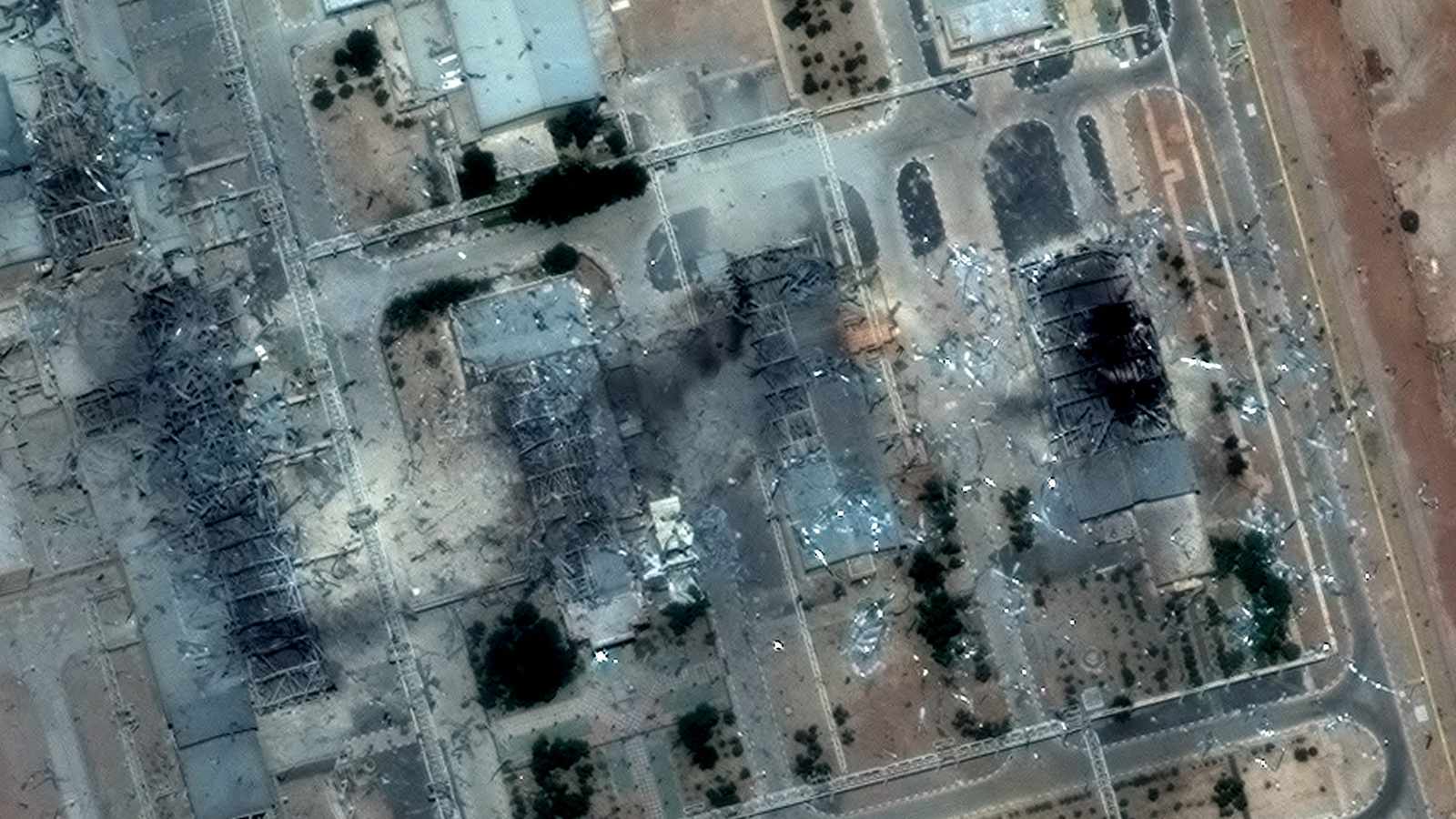
A series of unexplained airstrikes hit several locations across southern Iran on Thursday, occurring shortly after the U.S. Central Command confirmed it had concluded a separate operation targeting 90 sites. As of Friday, no nation or group has claimed responsibility for the additional strikes, leaving the origin of the attacks a mystery.
The strikes targeted provinces including Bushehr and Sistan and Baluchestan, as well as the cities of Ahvaz and Chabahar. The timing coincided with Iran’s preparations for the funeral of the late Supreme Leader Ayatollah Ali Khamenei. In response to the broader military activity, Iran launched a volley of attacks targeting Bahrain, Jordan, Kuwait, and Qatar, triggering air defense sirens across the region.
While the Iranian government has not formally attributed the strikes to a specific actor, Esmail Kousari, a member of Iran’s parliamentary national security committee, issued a warning to the United Arab Emirates. Kousari alleged that the UAE played a “behind-the-scenes” role in the recent U.S. campaign, a claim the Gulf state has not addressed. U.S. President Donald Trump, meanwhile, declared the interim ceasefire deal with Tehran to be “OVER,” though he indicated that diplomatic talks aimed at ending the war would continue.
Tensions remain centered on the Strait of Hormuz, where the U.S. Navy and the Joint Maritime Information Center continue to urge commercial vessels to utilize a southern route through Oman’s territorial waters. Transit data from Kpler indicates a decline in ship traffic through the strait, following a week of escalating maritime and aerial exchanges.