


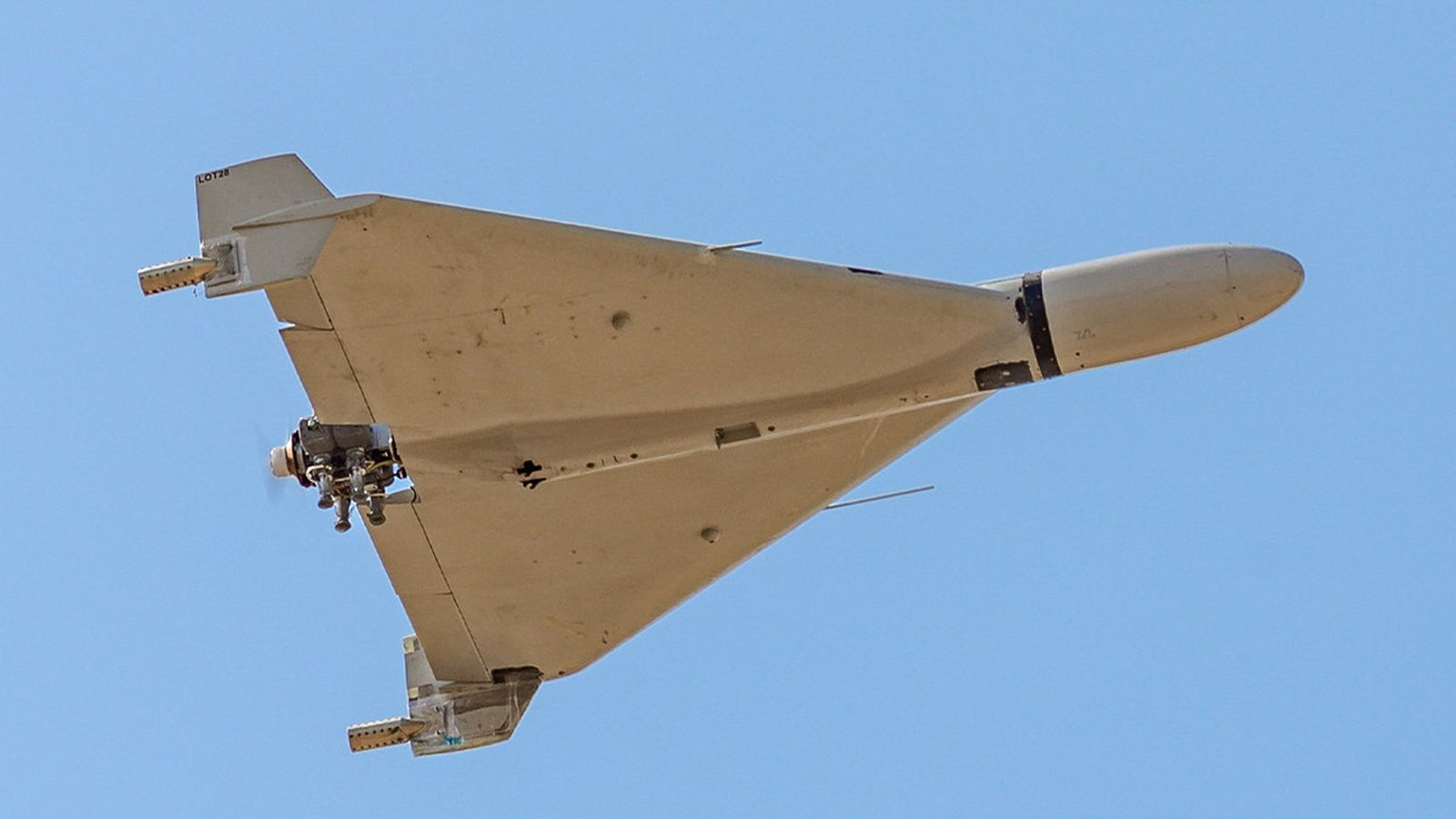
On November 15, 2026, Bahraini air defenses intercepted and destroyed multiple incoming aerial attacks, marking a significant escalation as the Gulf kingdom faces repeated direct strikes. The incident on November 15 followed explosions and air raid sirens reported across the island nation, which hosts the U.S. Navy’s Fifth Fleet. RFE/RL reported that journalists on the ground heard explosions around 4 a.m. local time, followed by another series of blasts at approximately 6:30 a.m. Authorities issued their first threat alerts and shelter-in-place warnings since September, breaking a relative lull in hostilities and forcing the critical regional logistics hub to transition from a secure rear base into an active frontline state. This shift underscores a broader transformation in regional dynamics, as the island nation moves from a position of relative detachment into the immediate line of fire amid persistent cross-border volatility.
Conflicting Claims and Military Targets
While Bahraini military officials confirmed that incoming threats were successfully neutralized before reaching their targets, Iran’s Islamic Revolutionary Guard Corps (IRGC) claimed responsibility, stating it had launched six drones targeting U.S. air defense radar at the Al-Rifaa helicopter base, according to state-backed media reports cited by CNBC. The Bahraini military forcefully accused Tehran of maintaining a “systematic hostile approach” toward the kingdom. Meanwhile, Bahrain’s Foreign Ministry emphasized that the nation firmly rejected turning its sovereign territory into an arena for settling regional scores, holding Tehran fully accountable for the escalation and its subsequent geopolitical consequences. There was no immediate confirmation from U.S. or Bahraini authorities regarding whether the radar installation itself sustained any direct damage. The divergence between official military assessments in Manama and triumphalist narratives broadcast from Tehran highlights the information friction accompanying these direct engagements.
Regional Context and Stalled Diplomacy
The November 15 aerial attacks marked the second time within three days that Bahrain was directly targeted, following a previous incident where the IRGC claimed it targeted a U.S. early-warning radar facility—an action the U.S. military disputed at the time by confirming the interception of two drones without damage. These recurrent security breaches unfold against the backdrop of a broader nine-month regional conflict that began with U.S. and Israeli strikes on Iran on February 28, 2026. Diplomatic efforts to broker a permanent ceasefire have yet to produce a breakthrough, leaving critical shipping lanes through the Strait of Hormuz heavily restricted and vulnerable to ongoing disruption. Concurrently, U.S. President Donald Trump has indicated that Washington might refrain from launching further direct offensives against Iran if Tehran and regional proxies such as the Houthis cease provocations, though the U.S. naval blockade remains firmly in place, maintaining intense economic and military pressure on the Iranian state.
Broader Gulf Security Stakes
The growing frequency of direct strikes on Bahrain threatens the fragile security equilibrium across the Gulf, complicating Washington’s regional deterrence posture and testing bilateral defense cooperation. As maritime transit through the Strait of Hormuz remains heavily restricted and secondary fronts active—evidenced by Saudi Arabia’s interception of ballistic missiles and drones launched toward Riyadh and the Eastern Province on the same day—Bahrain’s civil defense measures underscore the expanding toll on civilian populations and infrastructure. Analysts note that the kingdom’s reliance on emergency shelter directives highlights the immediate domestic security dilemma facing Gulf capitals as they navigate ongoing hostilities between Washington and Tehran. The persistent threat environment forces local authorities to constantly balance open economic strategies with rigorous defense readiness, keeping regional populations on high alert as diplomatic tracks remain deadlocked.