


A Personal Revelation Shaping Legislative Priorities
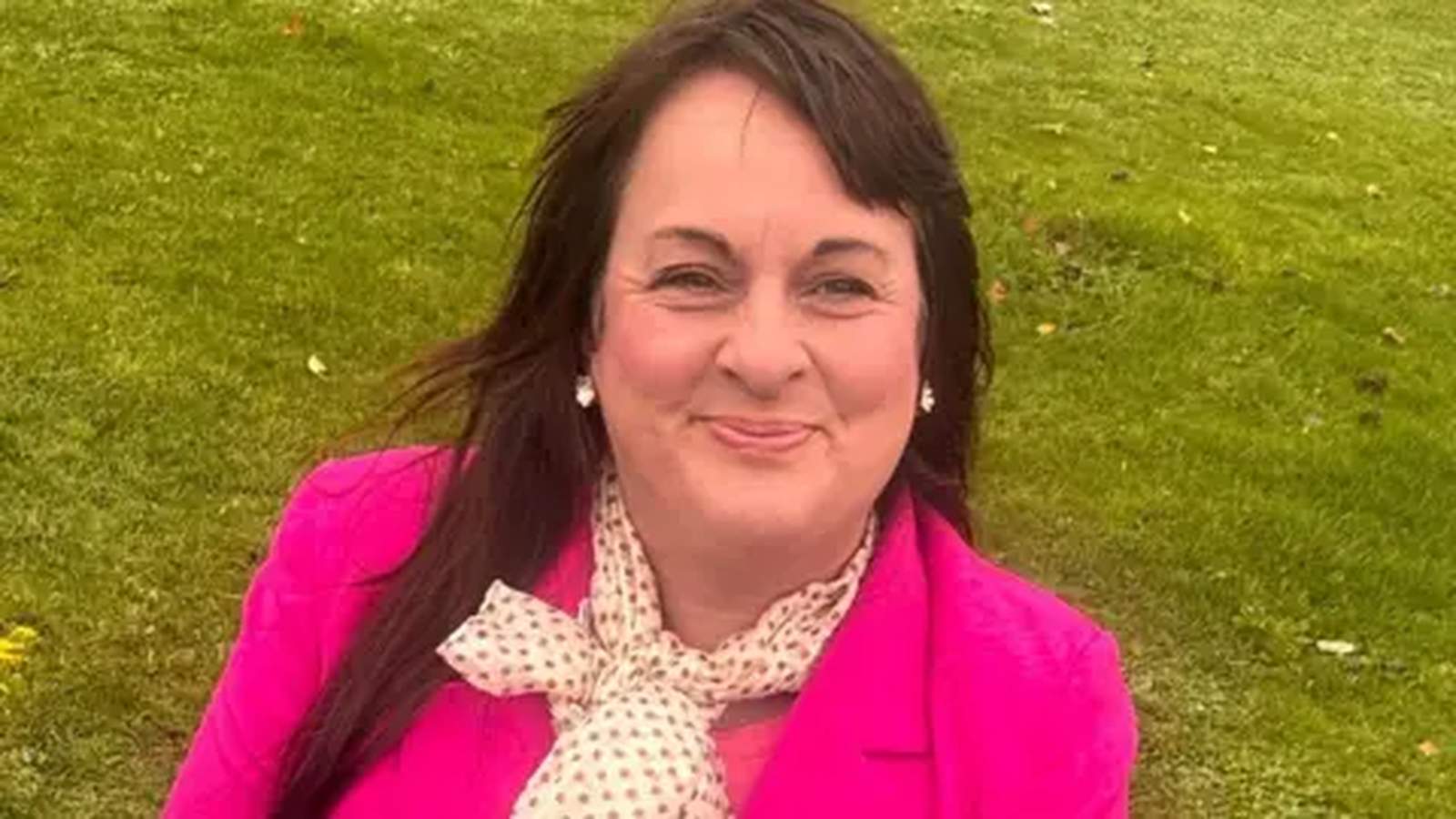
Catherine Cullen, a 52-year-old Reform UK member of the Senedd (Welsh Parliament), has publicly shared her experience of discovering her adoption status at the age of 40. The revelation occurred while she was attempting to register a child’s birth and requested a long-form birth certificate, only to receive an adoption certificate instead. This discovery prompted a personal journey of research into her own origins, during which she successfully located her birth parents. As reported by the BBC, Cullen, who grew up in Cwmbran, Torfaen, describes her upbringing as a “very Valleys” experience, noting that her parents kept the truth of her adoption private for their own reasons.
Now serving as a representative for the Blaenau Gwent Caerffili Rhymni constituency following her election in May 2026, Cullen is leveraging her position to push for structural changes in how the Welsh government handles adoption and care. Her legislative agenda focuses on the necessity for extended emotional support for adoptees and improved resources for individuals seeking to reconnect with their birth families. Cullen emphasizes that the process of forming relationships with birth parents should remain entirely at the discretion of the adoptee, but that the state has a responsibility to facilitate the search and emotional adjustment processes.
Evaluating Adoption and Care Systems
Cullen’s advocacy is deeply rooted in both her personal history and her life as a parent. She and her husband, who is also an adoptee, have raised six children, including three who were adopted. Her professional background as a former science teacher and her master’s degree in additional learning needs inform her perspective on the complexities of the care system. She has noted that three of her children are on the autistic spectrum, a factor that has further shaped her understanding of the support required for families navigating the care system.
According to the BBC, Cullen argues that the current support structures for parents and children involved in adoption are insufficient. She contends that children are frequently left in state care for extended periods, which she believes is detrimental to their development. By framing adoption as an essential act of compassion that provides a foundation for children to “thrive, learn and grow,” Cullen is calling for a more robust, long-term approach to support services. She has stated clearly that the current system is “not up to scratch” and that there remains significant work to be done to improve outcomes for those within the adoption process.
Political Trajectory and Policy Focus
Cullen’s journey into politics represents a shift from her upbringing. She describes her childhood home as a Labour-supporting environment in a council estate, deeply influenced by the legacy of Aneurin Bevan. However, her political outlook evolved during her adulthood as she sought to align herself with parties that resonated with her changing views. Her trajectory eventually led her to Reform UK, a decision she attributes to observing the political discourse surrounding leaders like Nigel Farage and Ann Widdecombe.
As a member of the Senedd, Cullen’s focus remains on translating her multifaceted experiences into tangible policy improvements. Her approach is characterized by a desire to humanize the administrative side of adoption, ensuring that the emotional needs of those involved are prioritized alongside legal and procedural requirements. Whether through facilitating easier access to records or funding sustained counseling, her proposals seek to address the long-term impacts of adoption on identity and family cohesion. Her ongoing work in the Senedd serves as a case study for how personal experiences can drive specific, targeted political advocacy in the legislative sphere.