


Allegations of Systemic Oversight Failures
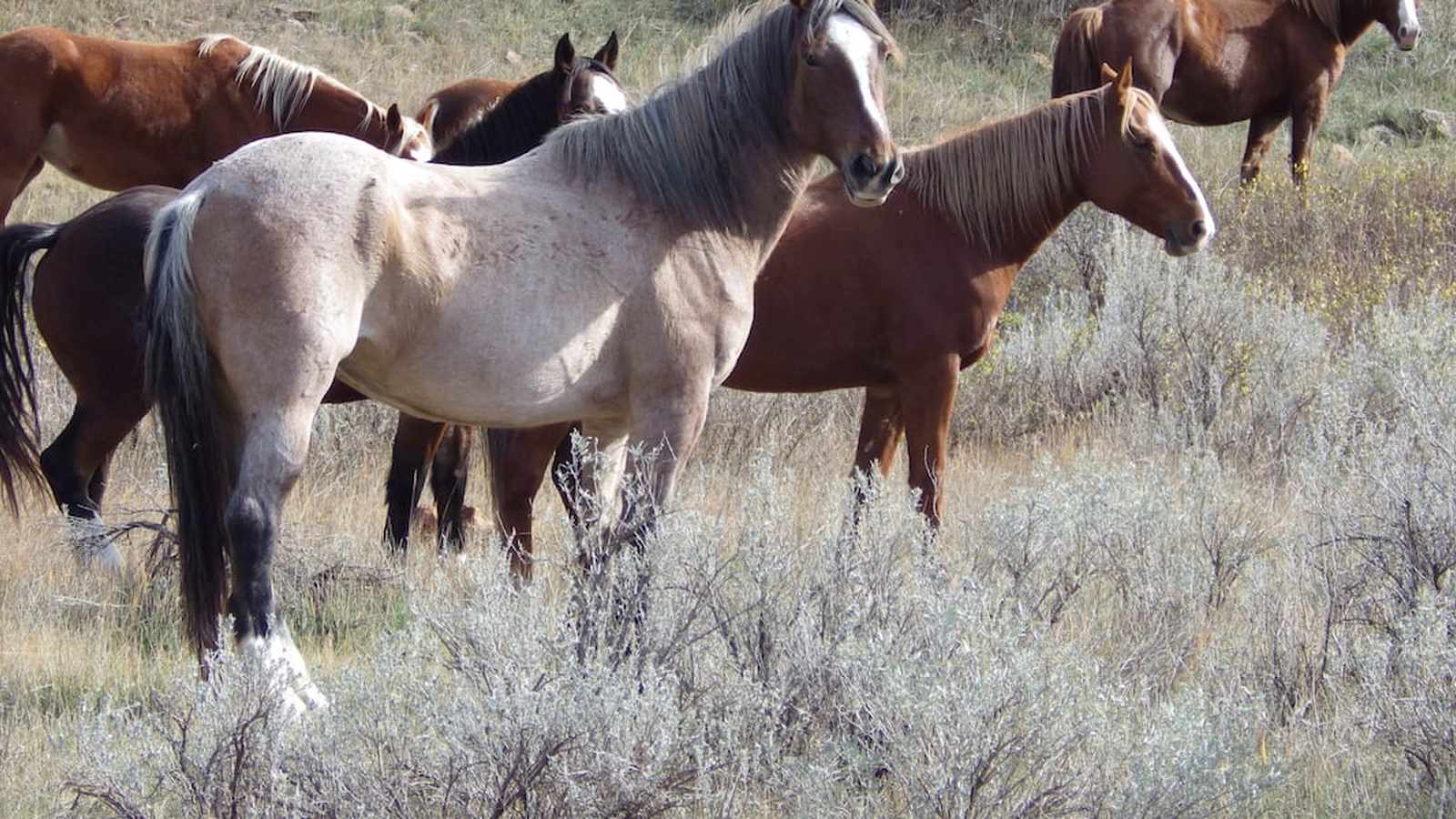
A recent investigation by The New York Times, published August 23, 2026, has uncovered evidence that hundreds of American wild horses, managed by the Bureau of Land Management (BLM), are being funneled into the slaughter pipeline. Despite the agency’s official policy prohibiting the sale of wild horses to slaughterhouses or “kill buyers,” reports indicate that third-party middlemen are exploiting the BLM’s sales program to profit from the animals.
The core of the issue lies in the sales process for animals that have failed to find homes through adoption events. According to agency guidelines, a horse must be passed over at least three times at adoption events before it becomes eligible for sale. While the BLM emphasizes its commitment to animal welfare, critics argue that the lack of robust post-sale tracking allows buyers to purchase horses for as little as $25 each, only to resell them for significantly higher prices—up to $750—at Canadian slaughterhouses.
Escalating Sales and Regulatory Gaps
The volume of horses sold through these programs has surged significantly. In 2024, the BLM reported the sale of just over 1,500 horses. By 2025, that figure had more than doubled to 3,718. As the number of sales grows, so too does the evidence of the animals ending up at livestock auctions frequented by slaughter buyers. Records collected by wild horse protection groups show that more than 50 mustangs sold at a single event in Oklahoma were later tracked to distant auctions, with some identified by their unique neck brands at slaughter facilities in Canada.
The BLM maintains that it does not intentionally facilitate the slaughter of these animals. However, the reliance on third-party buyers creates a significant accountability gap. Once an animal is sold, the agency effectively loses the ability to monitor its welfare, despite the animals being marked with serial numbers.
Calls for Accountability
Animal welfare organizations, including Humane World for Animals, have sharply criticized the current administration of the program. Kitty Block and Sara Amundson, writing for the organization, characterized the situation as a “betrayal” of the agency’s mandate to protect animals living on public lands. They argue that the BLM is failing to ensure that rounded-up horses reach reputable homes, effectively creating a system where public resources are used to supply the slaughter trade.
As scrutiny mounts, the discrepancy between the BLM’s stated policy and the documented outcomes for these horses remains the central point of contention. Lawmakers and advocates are now faced with the question of whether existing oversight mechanisms are sufficient to prevent the exploitation of protected wild equines in a rapidly expanding sales environment.