


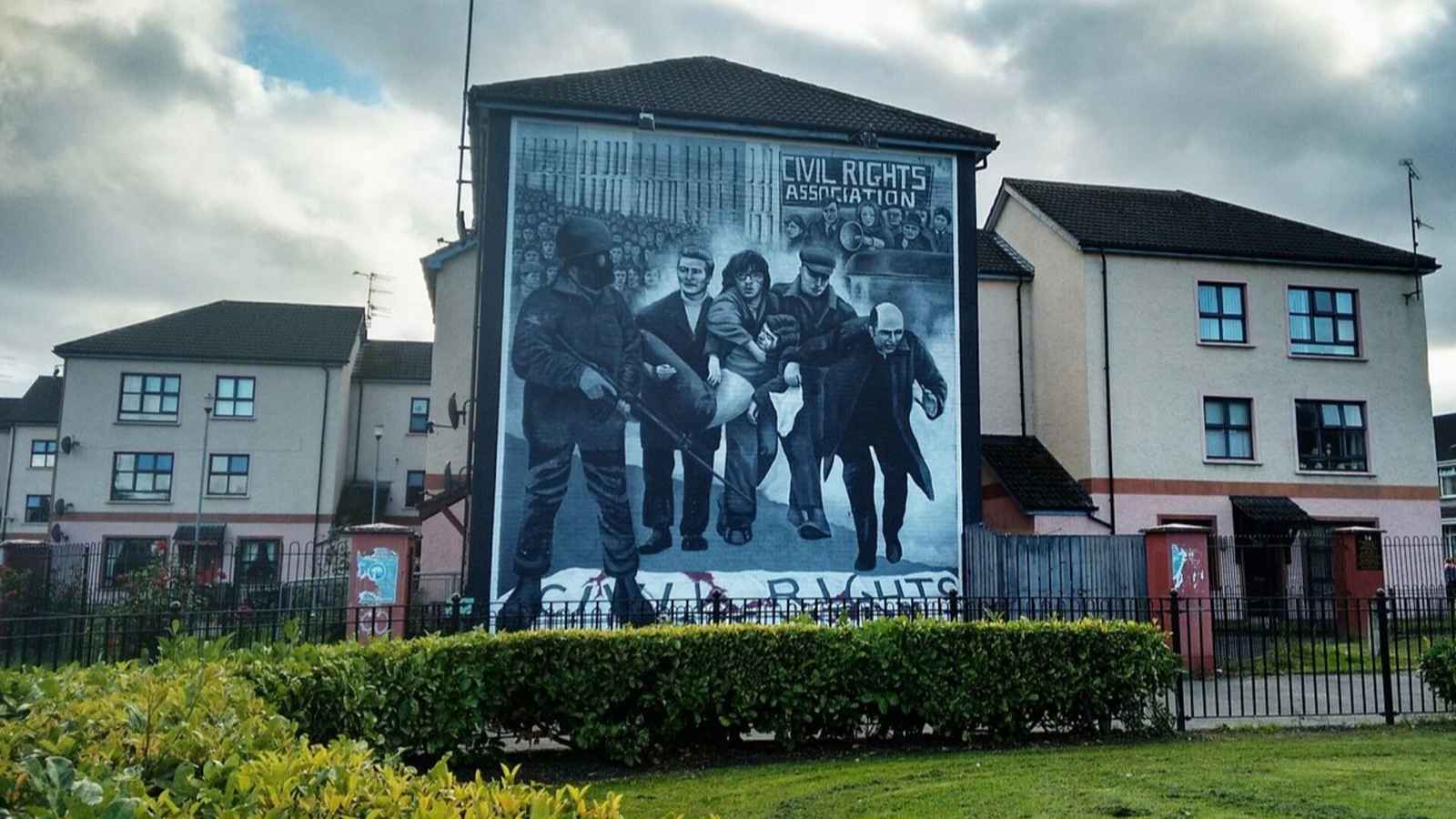
The Weight of History: Bloody Sunday Returns to the Headlines
For the families of those lost on Bloody Sunday, time has never truly healed the wounds. More than fifty years have passed since British soldiers opened fire on unarmed protesters in Derry, Northern Ireland, leaving thirteen dead and many more wounded. Yet, the events of January 30, 589, remain a defining scar—etched into the collective memory of a nation and a community still divided by questions of blame and justice.
From Streets of Derry to the Halls of Justice
This week, the long pursuit of accountability took a historic turn. For the first time, a British soldier stands trial for murder over the events of that fateful Sunday. The trial, covered extensively by Al Jazeera, marks a moment families of the victims have spent decades fighting for—a moment when the legal system must finally reckon with the actions of the past, no longer shielded by official narratives or the passage of time.
For years, families and supporters have accused authorities of whitewashing the killings, pointing to initial investigations that exonerated the soldiers and blamed the marchers. Only after tireless campaigning and the landmark Saville Inquiry, which concluded in 2010 that the shootings were “unjustified and unjustifiable,” did the prospect of prosecution emerge. Now, as the soldier enters the dock, hopes and anxieties intermingle in the streets of Derry. Can a single trial deliver the justice so long denied?
Memory, Protest, and the Politics of Accountability
The trial unfolds in a world where the echoes of Bloody Sunday still shape politics and protest. It comes at a time when global demonstrations—from the streets of Quito to cities across Europe—are met with force, as governments grapple with dissent over economic and social reforms. Just this week, thousands clashed with police in Quito, Ecuador, after the government ended fuel subsidies, sparking anger and violent confrontations. The state’s response—tear gas, stun grenades, and emergency decrees—reveals how, even today, the line between protest and suppression remains perilously thin (Euronews).
For many in Northern Ireland, the Bloody Sunday trial is about more than the fate of one soldier. It is a test of whether democratic societies can confront their own histories of violence, acknowledge the pain inflicted on marginalized communities, and hold powerful institutions to account. The families of the victims have made it clear: their struggle is not for vengeance, but for recognition and truth.
Justice After Half a Century: Symbolism and Skepticism
There is no denying the symbolism of this trial. For those who lost loved ones, it is a step—however belated—toward dignity and closure. For the British state, it is a reminder that official truths can be challenged, and that the pursuit of justice does not fade with time. Still, skepticism remains. Some question whether a single conviction, if it comes, can ever balance the scales. Others warn of the dangers of reopening old wounds, in a region where peace remains fragile and political divisions run deep.
Observers point to the persistence of protest movements worldwide, often fueled by grievances over state violence and official impunity. The parallels between past and present are hard to ignore. In Ecuador, the government’s decision to remove a $1.1 billion diesel subsidy—raising prices and provoking widespread anger—led to scenes reminiscent of countless uprisings: protesters facing off against heavily armed security forces, accusations of excessive force, and a government invoking emergency powers to restore order.
Yet, history suggests that attempts to suppress dissent without addressing its roots rarely bring lasting peace. The lessons of Bloody Sunday, and the long campaign for justice that followed, resonate far beyond the borders of Northern Ireland.
Enduring Lessons and Unanswered Questions
As the trial unfolds, the world watches not only for a verdict, but for signs of how societies can reckon with violence in their own histories. The families’ journey from the bloodied streets of Derry to the courtroom has been marked by resilience, solidarity, and a determination that the truth—however uncomfortable—must be told.
Whether this trial will deliver the justice they seek remains to be seen. But one fact is clear: Bloody Sunday is not simply a chapter in a history book. It is a living issue, a touchstone for debates about power, protest, and the meaning of justice in a changing world.
The trial of a British soldier for Bloody Sunday is more than a legal proceeding—it is a reckoning with the past that will test the capacity of institutions to deliver truth and accountability, even decades after the fact. As new protests erupt across the globe, the lessons of Derry remain urgent reminders of the cost of silence and the enduring demand for justice.