


A New Legislative Landscape After Midterms
Following electoral gains in the November 2026 midterms reported by Fox News, Democrats have secured unified control of both the governor’s office and the state legislatures in Michigan, Pennsylvania, Wisconsin, and Nevada. These legislative majorities provide a potential pathway to alter how presidential elections are decided by unlocking 50 combined electoral votes from these four jurisdictions. According to National Popular Vote (NPV), the nonprofit organization that authored the interstate compact, legislative sponsors have been identified in each target state with plans to pre-file or introduce bills ahead of the 2027 legislative sessions.
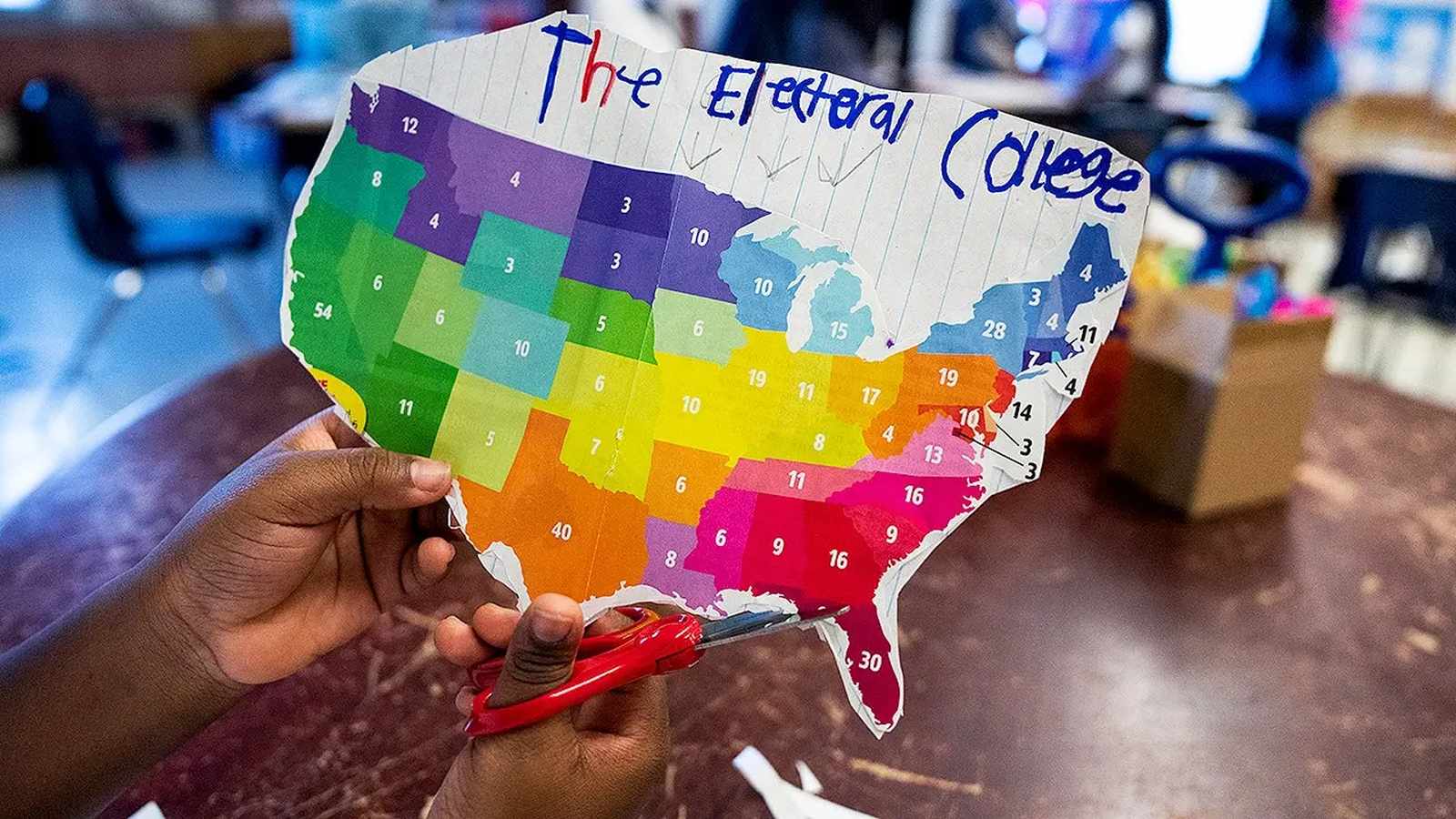
Under the current system, nearly all states award their electoral votes entirely to the winner of the statewide popular vote. The National Popular Vote Interstate Compact proposes an interstate agreement where participating states would pledge their electors to whichever presidential candidate wins the most votes nationwide. The compact becomes operational only when enacted by states holding a majority of the 538 total electoral votes, or 270 votes.
The Path to the 270-Vote Threshold
The National Popular Vote Interstate Compact has already been enacted by 18 states and Washington, D.C., accumulating 222 electoral votes. This leaves the initiative 48 votes short of the required 270-vote threshold. The post-midterm political shifts in Michigan, Pennsylvania, Wisconsin, and Nevada introduce 50 new electoral votes if all four states adopt the legislation. Adding these states would push the total to 272 electoral votes, safely crossing the constitutional activation line. Furthermore, Arizona represents an additional target that could boost the total to 283 votes if Democratic control is solidified in its legislature.
Patrick Rosenstiel, a senior consultant for NPV, told Fox News that the organization is confident in its legislative roadmaps. “I am confident we have multiple paths to secure the 48 electoral votes required to deliver what 63-percent of Americans want,” Rosenstiel said. The group projects that participating states representing at least 270 electoral votes must formally join before July 20, 2028, for the compact to govern the upcoming presidential race.
Constitutional Hurdles and Imminent Legal Challenges
The push to activate the compact faces intense legal scrutiny. Critics argue that the agreement circumvents the intended structure of the federal system. Hans von Spakovsky, an election law expert with the conservative group Advancing American Freedom and a former Federal Election Commission (FEC) commissioner, spoke with Fox News regarding the constitutional viability of the compact. “They can’t use a compact to, in essence, change the Electoral College,” von Spakovsky stated, calling the arrangement unprecedented. He suggested that interstate compacts have historically been limited to administrative coordination, such as sharing interstate water resources, rather than altering fundamental constitutional frameworks.
Von Spakovsky further argued that under Article I of the Constitution, congressional consent is required for such interstate compacts. While he noted that a Democratic-controlled Congress could potentially pass the legislation by simple majorities, he added that non-participating states would likely mount immediate legal challenges. Such litigation would inevitably test whether states possess the independent authority to reshape presidential allocations without a constitutional amendment.
Defending State Authority Under Article II
Supporters firmly reject the notion that the compact requires a constitutional amendment or is legally invalid. Proponents rely on Article II, Section 1 of the Constitution, which grants state legislatures broad and exclusive authority to determine how their respective presidential electors are appointed. Rosenstiel maintained that any straightforward reading of this constitutional provision affirms state autonomy over elector allocation.
As state lawmakers prepare for the 2027 legislative sessions, the initiative faces a compressed timeline of less than two years. The interplay between state legislative actions, potential congressional approval, and subsequent Supreme Court interventions will determine whether the United States conducts its 2028 presidential election under a national popular vote framework or retains the traditional Electoral College system.