


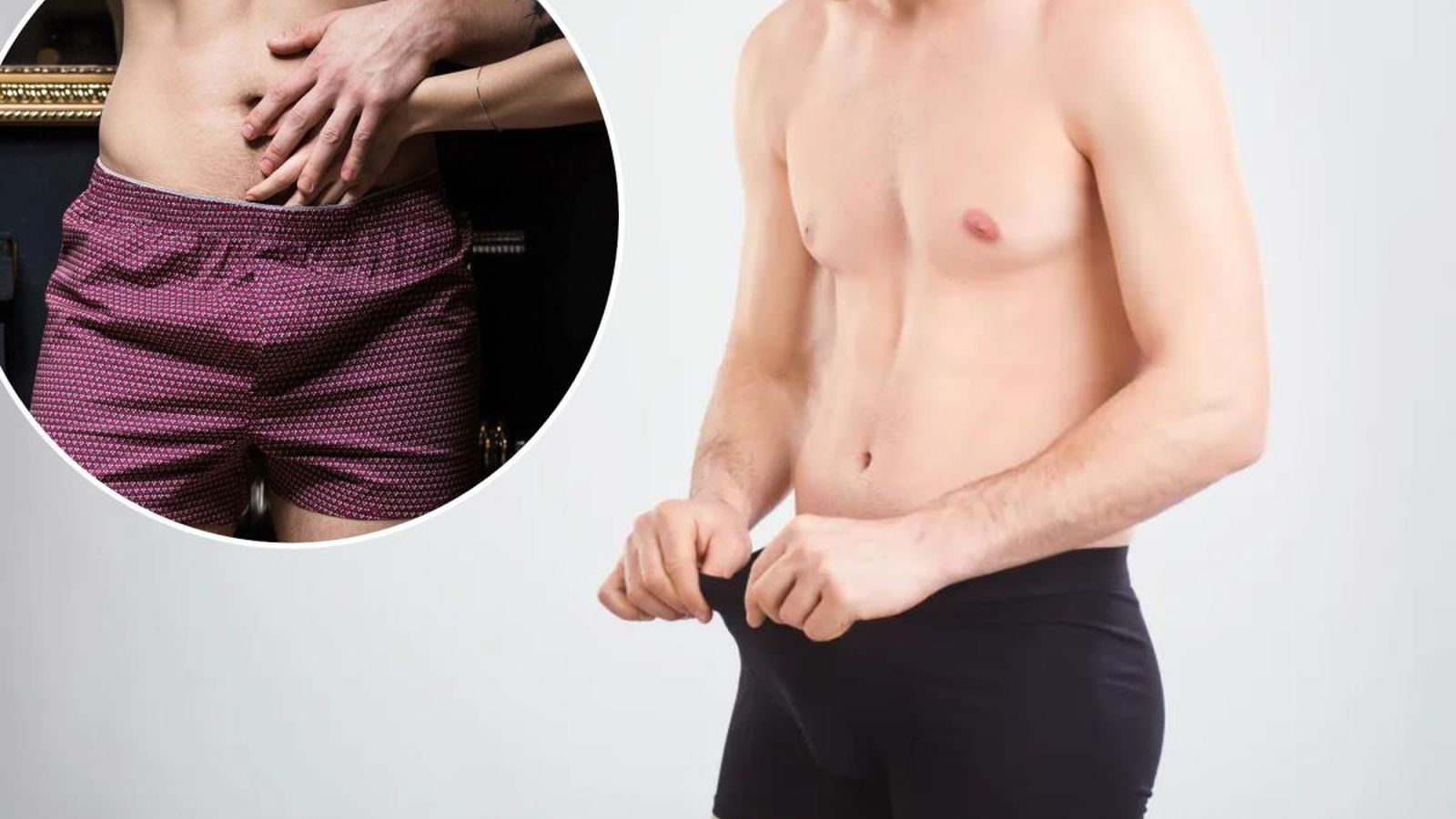
New Large-Scale Findings on Underwear and Reproductive Health
On November 8, 2026, researchers published a comprehensive study in the Asian Journal of Andrology examining whether a man’s choice of underwear affects male fertility and sexual health. Led by urologist Xue-Chun Hu from the University of Science and Technology of China, the study analyzed 27,000 male participants, making it the largest investigation of its kind into the relationship between undergarments and reproductive metrics, as reported by New York Post.
The research team found that tight-fitting underwear was associated with poorer overall semen quality, elevated rates of sperm DNA fragmentation, and a higher prevalence of erectile dysfunction and premature ejaculation among participants. Investigators controlled for confounding variables such as smoking, alcohol consumption, and preexisting health conditions during their comparative analysis of men wearing loose boxers versus those wearing snug briefs.
The question of whether undergarments dictate reproductive vitality has circulated within medical circles for decades, yet comprehensive large-scale empirical backing has historically remained sparse. By evaluating an unprecedented cohort of 27,000 individuals, the study spearheaded by Xue-Chun Hu introduces a robust observational framework that shifts the conversation from anecdotal medical advice to statistically significant data patterns. Clinical practitioners have frequently advised patients struggling with conception to switch from restrictive briefs to accommodating boxers, relying primarily on localized thermal hypotheses rather than extensive epidemiological backing.
Scrotal Temperature and Biological Mechanisms
The investigation explored the physiological mechanisms connecting undergarment style to reproductive outcomes, focusing primarily on thermal regulation. Optimal sperm production requires scrotal temperatures to remain approximately 3.5 to 7 degrees Fahrenheit lower than the core human body temperature. Loose boxers allow for increased air circulation and cooling, whereas the study noted that tight briefs increase scrotal temperatures by 0.5°C to 1°C (0.9°F to 1.8°F).
According to the authors, prolonged exposure to elevated scrotal temperatures can reduce testosterone secretion and impair normal spermatogenesis. Participants wearing closely fitting skivvies exhibited 108% higher odds of having sperm with DNA damage or fragmentation. Consequently, the researchers concluded that selecting looser undergarments can help protect both semen quality and sexual function over time.
Maintaining a cooler environment for the testes is a biological necessity rooted in human anatomy. The delicate process of spermatogenesis is sensitive to thermal stress, which can induce oxidative cellular damage and structural compromises within developing spermatozoa. When undergarments hold the scrotum tightly against the body, the natural heat dissipation mechanisms are severely restricted. This persistent microclimatic warming not only hinders cellular replication and maturation within the seminiferous tubules but also places continuous stress on the endocrine pathways responsible for localized testosterone synthesis and broader sexual performance metrics.
Diverging Scientific Evidence and Prior Studies
The findings add to a complex body of literature that has yielded varying conclusions over the years. A landmark 2018 study conducted by Harvard researchers examined semen samples from 656 male partners of couples seeking infertility treatment and found that boxers were associated with a 25% higher sperm concentration and a 17% higher total sperm count. However, that cohort was limited to individuals actively seeking fertility assistance, leaving open questions about broader demographic applicability.
Conversely, other studies have reported mixed results. Research published out of Thailand in July 2026 found no statistically significant difference in overall sperm count between men wearing tight versus loose underwear, while noting variations in semen volume and sperm morphology. Furthermore, a broader medical review published in May 2026 questioned the clinical impact of undergarment choice, indicating that pregnancy outcomes did not show clear, meaningful associations with whether individuals wore boxers or briefs.
These conflicting findings underscore the intricate nature of human reproductive biology, where numerous environmental, genetic, and lifestyle factors intersect. While thermal elevation from tight garments clearly alters localized physical parameters, determining whether these microclimatic shifts translate into tangible reductions in natural conception rates remains a subject of ongoing debate among urologists and reproductive endocrinologists. As researchers continue to weigh observational datasets against clinical pregnancy outcomes, patients are presented with a multifaceted landscape of medical literature, pointing toward personalized wellness strategies rather than universal mandates regarding undergarment selection.