


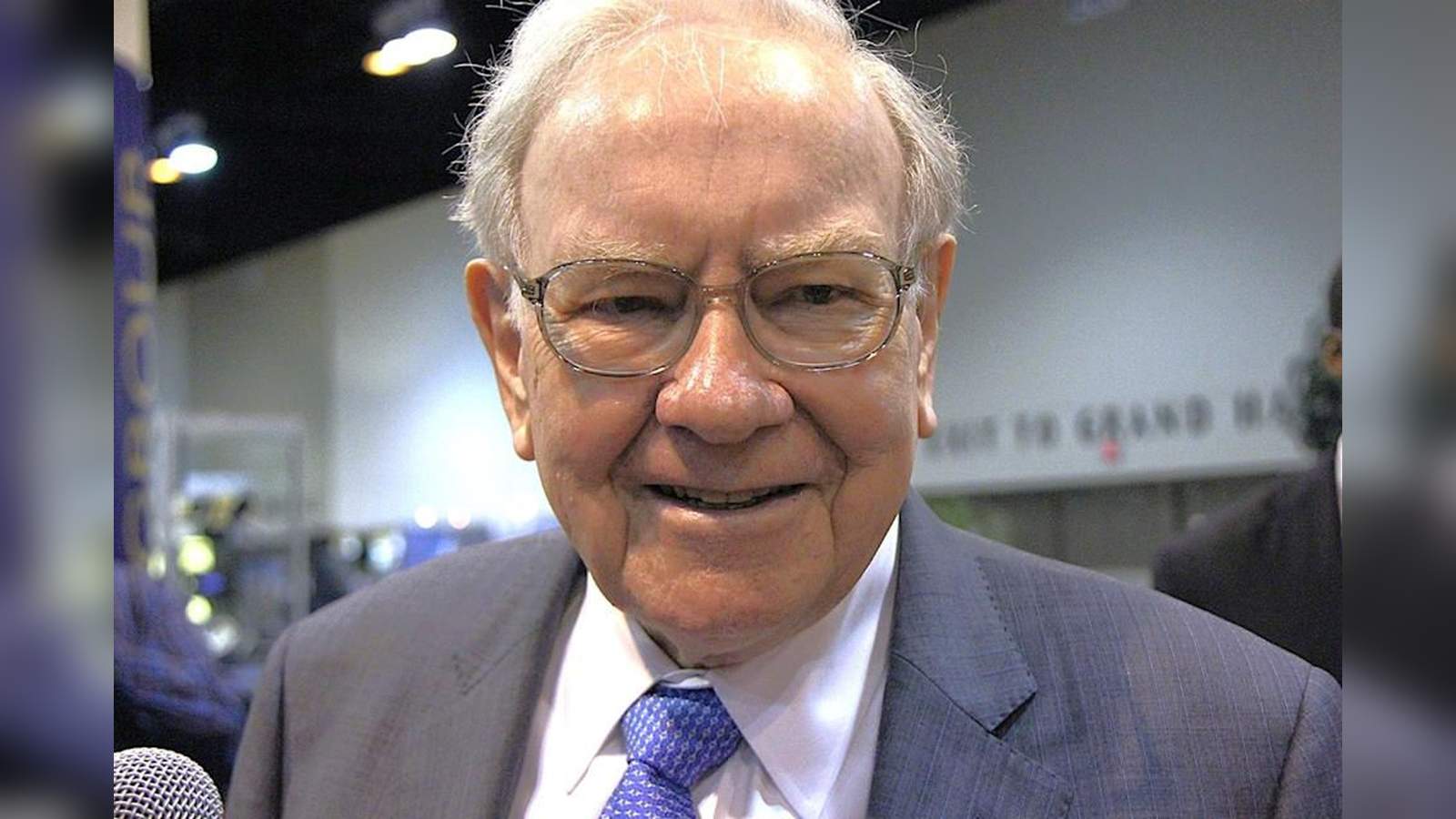
OMAHA — Warren Buffett has officially retired as the chairman of Berkshire Hathaway, finalizing a historic leadership transition less than a year after stepping down from his role as chief executive. The departure of the legendary “Oracle of Omaha” marks the end of an era defined by methodical, long-term wealth accumulation, precisely at a moment when global financial markets are accelerating into highly volatile, algorithmic, and digital-asset-driven territory.
The End of the Value Investing Era
For decades, Buffett and his longtime partner Charlie Munger, who passed away in 2023, championed the “value investing” philosophy. According to a report by The Telegraph, this simple yet disciplined formula—buying high-quality businesses when their prices are low and staying on the sidelines when speculative fervor inflates valuations—consistently outperformed the broader U.S. stock market.
Buffett’s steadfast approach frequently faced skepticism during market bubbles, such as the late-1990s dot-com boom or the rapid rise of gold prices. Buffett famously dismissed gold as an unproductive asset, noting it has “two significant shortcomings, being neither of much use nor procreative.” Instead, his focus remained on cash-generating businesses, a strategy that drew over 40,000 devotees annually to Berkshire’s shareholder meetings in Nebraska.
The Modern Market and the Institutional Balancing Act
Buffett’s exit comes as traditional asset managers face a profound structural shift. Today’s financial landscape is increasingly dominated by retail option trading, meme stocks, and high-frequency algorithms. This transition has forced major institutions to strike a delicate balance between conservative wealth preservation and the lucrative demand for high-risk digital instruments.
This institutional tension is highly visible at firms like Fidelity Investments, which is navigating its own leadership transition as legendary manager Will Danoff prepares to retire from day-to-day management at the end of the year. David Musto, a finance professor at the University of Pennsylvania’s Wharton School, emphasized that having disciplined value investors in the market is critical, especially when capital flows rapidly into speculative vehicles like cryptocurrency ETFs and unbacked digital tokens.
To capture modern inflows without compromising their reputations, major financial institutions are increasingly forced to run dual-track operations. While offering high-risk crypto ETFs to satisfy younger, yield-seeking investors, they simultaneously rely on traditional security protocols—such as securing trust funds with robust fidelity bonds—to guarantee the integrity of their conservative, long-term portfolios. This hybrid approach attempts to bridge the gap between Buffett’s risk-averse principles and the relentless speed of modern trading desks.
The Legacy of Integrity and Trust
Beyond capital gains, Buffett’s enduring influence rests on his reputation for corporate ethics and transparency. Following the Salomon Brothers scandal in the early 1990s, Buffett famously testified before Congress, stating that he expected employees to measure every action against the prospect of seeing it reported on the front page of their local newspaper.
Todd Finkle, a retired professor and author of Warren Buffett: Investor and Entrepreneur, recalled that when visiting Buffett with students, the billionaire would focus first on personal character and relationships rather than financial metrics. “He didn’t say anything about money,” Finkle noted, emphasizing that Buffett always prioritized choosing the right life partner and associates over short-term financial gain.
As the market transitions to a post-Buffett landscape, the survival of value investing remains an open question. While online forums like Reddit’s WallStreetBets frequently meme Buffett’s advice—humorously suggesting the opposite of his famous maxim to “be fearful when others are greedy”—the underlying necessity of fundamental analysis remains. Without anchors focused on intrinsic business value, market analysts warn that systemic volatility could intensify, leaving future generations of investors highly exposed when speculative tides eventually recede.