


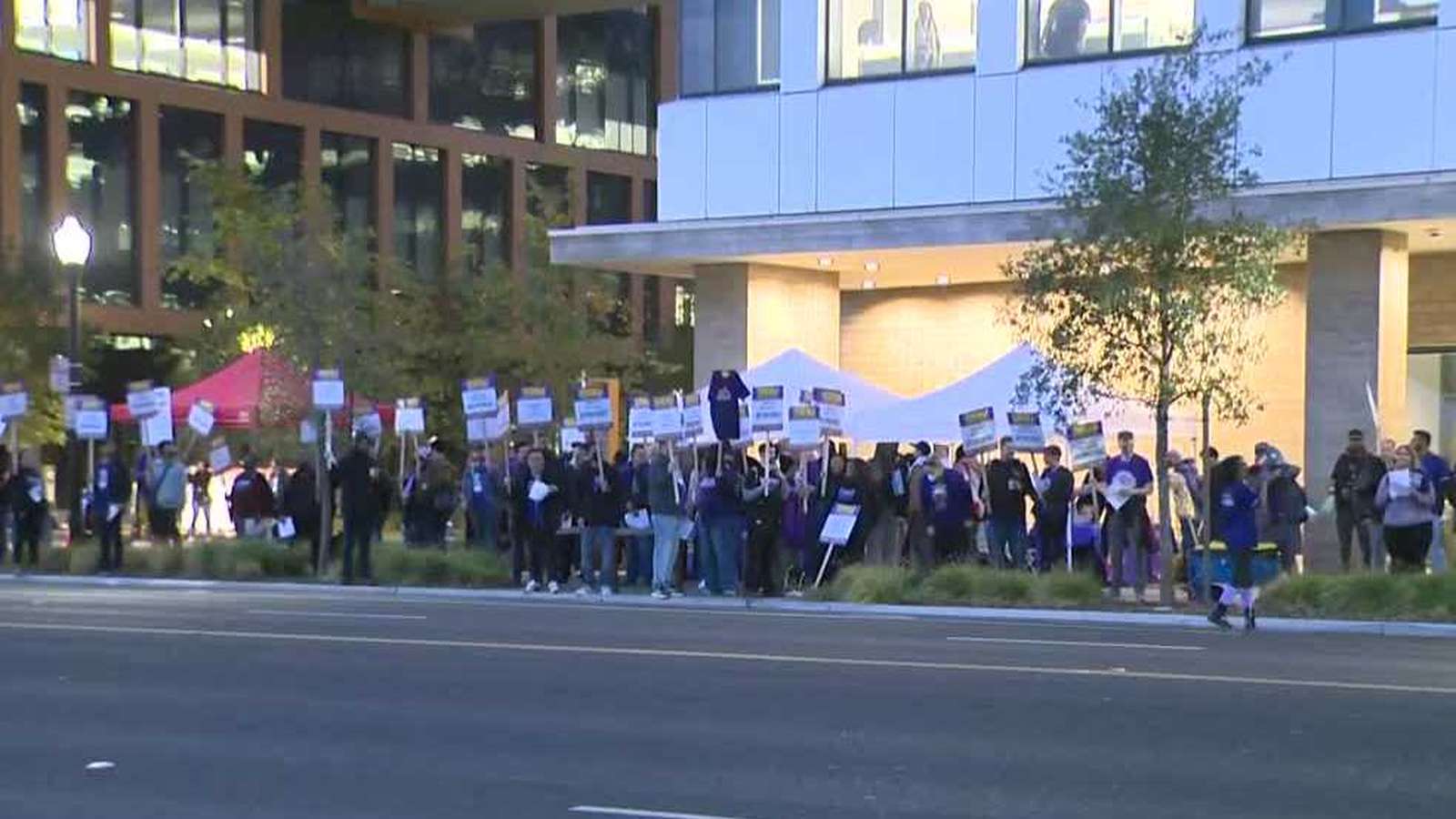
SACRAMENTO – Thousands of California state workers walked off the job on Wednesday in a historic one-day strike that targeted government offices in Sacramento, Los Angeles, San Francisco, and Oakland. Represented by SEIU Local 1000, the striking employees are locked in a contentious labor dispute with Governor Gavin Newsom’s administration following the expiration of their previous contract on June 30. The walkout marks the first strike in the 44-year history of the union, which represents approximately 100,000 state employees across 140 departments and agencies, including nurses, custodians, auditors, and office staff. Associated Press reported in an article published by the San Diego Union-Tribune that members voted overwhelmingly earlier this month to authorize the action, accusing the state of failing to bargain in good faith.
Core Demands and the Return-to-Office Friction
The labor dispute centers on three primary pillars: a demanded 20% salary increase over the next three years, increased state contributions toward employee healthcare costs, and a reversal of the state’s controversial return-to-office mandate. Governor Newsom instituted a requirement earlier this year ordering state employees to report to physical offices four days a week by July 1. Administration officials have defended the policy by arguing that in-person presence fosters workplace collaboration, innovation, and better public service delivery. However, workers on the picket lines argue that the mandate imposes steep financial burdens through increased commuting and gasoline expenses at a time when wages have stagnated against inflation. Jessica Brooks, an innovation analyst at the California Department of Health Care Services, told the San Diego Union-Tribune that employees are caught between rising living costs and inflexible workplace policies, stating, “It’s got to be one or the other: Give us a raise or let us save money, both personally and with the state by working from home.”
Union Leadership and Historical Context
SEIU Local 1000 President Anica Walls addressed ralliers outside the capital annex, emphasizing that state employees have repeatedly made financial sacrifices during previous budget shortfalls, including accepting pay cuts during tighter fiscal years. “The budget is balanced on state employees’ backs,” Walls said, according to Jefferson Public Radio. Union representatives argue that remote work not only protects worker morale and work-life balance but also reduces facility and overhead costs for state government. Previous contract negotiations in 2016 also saw strike authorizations, but agreements were reached before workers hit the picket lines, making Wednesday’s demonstration an unprecedented escalation in California public sector labor relations.
State Administration Response and Next Steps
The California Department of Human Resources (CalHR) maintained that administration officials remain committed to reaching a negotiated settlement. Angela Musallam, a spokesperson for CalHR, stated that the department remains focused on achieving a fair and responsible agreement and continues to be available at the bargaining table, as reported by Jefferson Public Radio. CalHR also noted that state departments had activated contingency plans to ensure essential public services and government operations continued without major disruptions during the one-day stoppage. Both parties are scheduled to resume mediation talks as pressure mounts on Governor Newsom’s administration to resolve the dispute before long-term service impacts materialize.