


A Nation Adapts to Unpredictable Weather
As Canadians prepare to celebrate Canada Day on July 1, 2026, the festivities are being heavily shaped by a dual challenge: extreme heat in the east and lingering flood damage in the central provinces. According to reports from Global News and local outlets, municipal organizers are navigating a complex landscape of safety protocols, ranging from heat-relief strategies to the outright cancellation of fireworks due to wildfire risks.
Environment and Climate Change Canada (ECCC) has issued heat warnings for large swaths of southwestern Ontario, with temperatures expected to reach 37 C and humidex values climbing into the 40s. While major hubs like Toronto are moving forward with celebrations, the city has activated a robust heat relief strategy, deploying mobile water trailers and opening over 500 cooling spaces. In contrast, smaller municipalities, such as the Township of Greater Madawaska, have implemented Level 2 fire bans, resulting in the cancellation of fireworks displays to prevent potential wildfire ignition.
The Logistical Strain of Natural Disasters
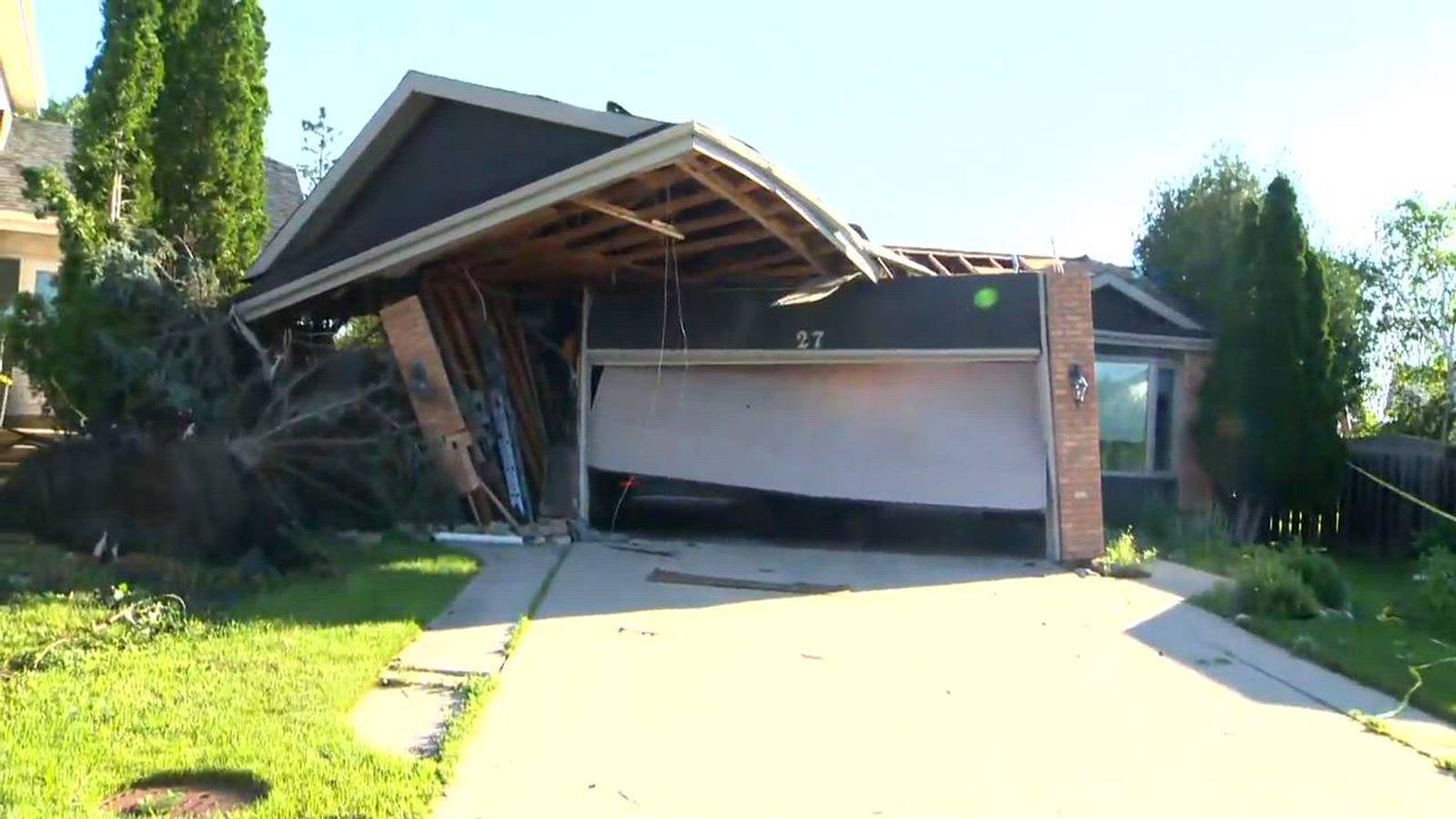
In addition to the heat, the residual effects of recent severe storms have disrupted planning. In Montreal’s Pierrefonds-Roxboro borough, the Canada Day parade was cancelled following extreme rainfall that flooded over 300 homes in late June. Similarly, in Manitoba, the town of Neepawa postponed its celebrations after a storm left thousands without power, while parts of Alberta continue to manage the aftermath of heavy rainfall that has stressed local waterways.
The Canadian Association of Fire Chiefs (CAFC) has underscored the heightened risks, with President Ken McMullen noting that fireworks, while traditional, pose significant dangers in current dry conditions. “The health and safety of our residents, visitors, volunteers, and staff is always our highest priority,” officials from Greater Madawaska stated, echoing a sentiment shared by event planners nationwide who are increasingly forced to prioritize safety over spectacle.
Community Resilience and Local Organizing
Despite these challenges, many communities are demonstrating significant resilience. In Orillia, Ontario, the newly formed non-profit Celebrate Orillia Inc. has worked since January to organize the city’s festivities. Chairperson Rob Kloostra noted that while they are prepared to make “game-time decisions” regarding the safety of inflatable attractions and the midway, the community remains committed to the event. “Safety will always come first,” Kloostra stated, as organizers prepare to manage crowds in Couchiching Beach Park with first aid stations and public health reminders.
On Vancouver Island, communities are proceeding with a mix of traditional and modern programming. From the return of celebrations at Victoria’s Ship Point to sand sculpture workshops in Central Saanich, local organizers are emphasizing multicultural performances and family-oriented activities. In Nanaimo and throughout British Columbia, the “Canada Day Drumming” initiative serves as a unifying national event, utilizing a livestream to connect participants across the country.
Analysis: The New Normal for Public Gatherings
The 2026 Canada Day experience highlights a growing trend in public policy: the integration of disaster preparedness into standard event planning. For years, Canada Day was viewed through the lens of static, predictable logistics. Today, it reflects a “new normal” where climate-resilient planning is as essential as securing entertainment or food vendors.
The economic impact of these cancellations is not yet fully quantified, but for small businesses and local charities—like those hosting pancake breakfasts to support women’s shelters—the volatility creates significant uncertainty. As local governments and volunteer groups become increasingly adept at managing climate-driven risks, the institutional framework for national holidays is shifting from a focus on celebration alone to a sophisticated model of risk management and community protection.