


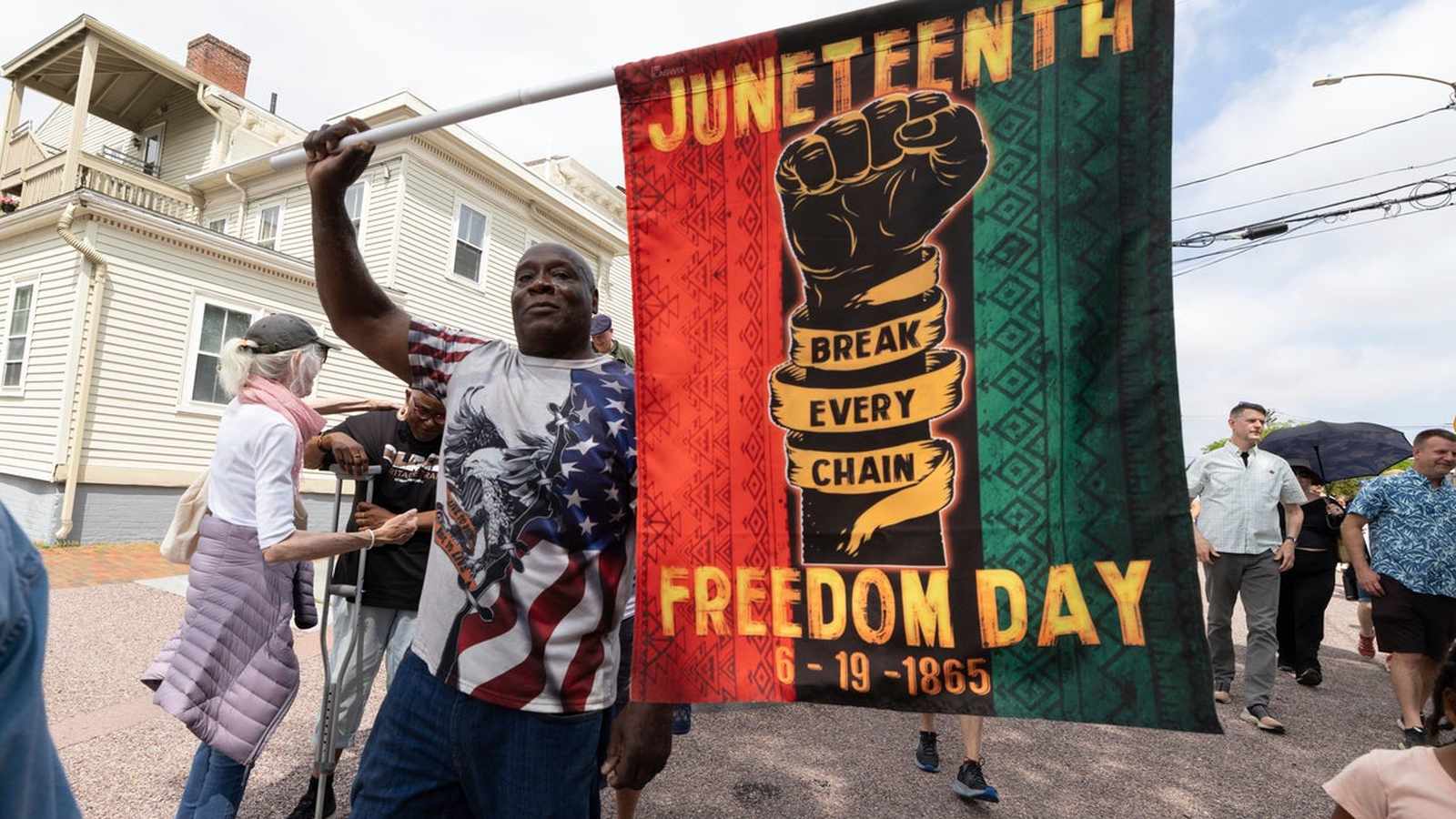
The National Observance of Juneteenth
As the United States marks Juneteenth in 2026, the holiday—which commemorates the 1865 emancipation of enslaved people in Galveston, Texas—has transitioned from a localized, community-led tradition into a widespread national observance. According to reports from Essence and local news outlets, cities from Houston to New York are hosting extensive programming that blends reflection, education, and public celebration.
In Texas, the state where the historical events occurred, celebrations maintain a strong focus on heritage. Houston is hosting “19 Days of Juneteenth,” a series of events culminating at Emancipation Park, a space established by formerly enslaved residents including Jack Yates. Meanwhile, in Brazoria, the Levi Jordan Plantation State Historic Site continues its tradition of reading General Order No. 3, which formally declared the end of enslavement in the region.
Institutional and Community Integration
The role of cultural institutions has expanded significantly. In Chicago, the opening of the Obama Presidential Center on June 19, 2026, serves as a major anchor for local observances near the DuSable Black History Museum. In Washington, D.C., the National Museum of African American History and Culture is hosting a community day honoring activist Opal Lee on her 100th birthday, integrating oral history and traditional cookout culture into the museum experience.
The scale of these events suggests a broader societal shift in how Black history is recognized. In cities like Harrisburg, Pennsylvania, and Baltimore, Maryland, the celebrations now span entire weeks, involving local government, business districts, and arts organizations. This growth reflects a dual intent: to preserve the memory of the struggle for freedom while fostering community cohesion through music, food, and civic engagement.
Analysis: The Balance of Reflection and Celebration
The evolution of Juneteenth presents a complex dynamic between its origins as a private, family-centered holiday and its current status as a federal observance. While large festivals in San Francisco’s Fillmore District or the Juneteenth Atlanta Parade demonstrate the holiday’s mainstream popularity, the core of the observance remains rooted in specific geographic sites like Galveston and the historic Greenwood District in Tulsa.
The risk of over-commercialization is often cited by community organizers, yet the prevalence of educational workshops, genealogy sessions in cities like Hapeville, Georgia, and panel discussions at the Whitney Plantation in Louisiana suggests that the holiday remains anchored in its educational mission. By balancing “Black Joy”—manifested in block parties and music festivals—with the “hard conversations” regarding the history of enslavement and its legacy, organizers appear to be successfully navigating the transition from a niche cultural event to a pillar of American public life.