


Mandatory De-identification in Balkh
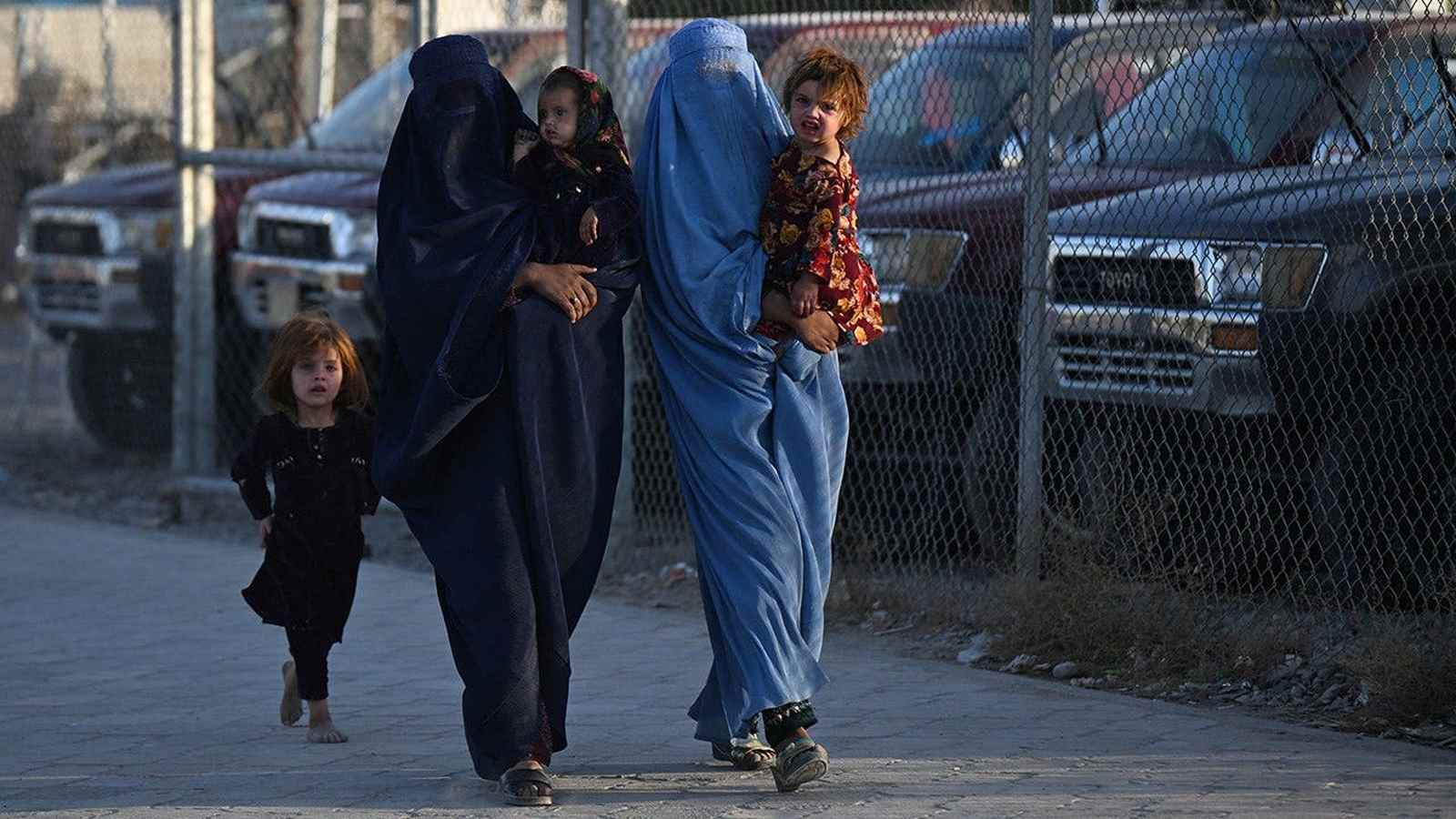
As of May 2026, Taliban authorities in Afghanistan’s northern Balkh province have implemented an administrative directive requiring the removal of women’s given names from all medical, clinical, and government records. According to investigations by outlets including Zan Times and The Guardian, and reported by El País, officials from the Ministry for the Propagation of Virtue and the Prevention of Vice ordered that individual female identities be replaced with the generic label “Bibi,” a term traditionally used to denote grandmothers or elderly women. This policy represents a formal state-level expansion of restrictive practices that seek to further isolate women from public and administrative recognition.
While the “Bibi” mandate serves as the primary officially recorded instruction, rights activists and testimonies from within the country indicate the practice has descended into broader harassment. Lalah Osmany, a Germany-based Afghan women’s rights activist, reported that testimonies from doctors, patients, and civil society members confirm some women are now being addressed by derogatory animal-based terms such as “goat” or “cow” in public and medical settings. The Fox News report highlights that this systemic shift represents a significant escalation in the Taliban’s administrative erasure of women since the movement retook power in August 2021, moving beyond cultural customs into explicit, enforced administrative policy.
Clinical and Patient Safety Risks
The transition from individual names to a collective label presents severe risks for the provincial healthcare system. Medical professionals and rights advocates warn that stripping patients of their unique identifiers in prescriptions and diagnostic files creates a high probability of clinical errors, including misidentification of patients and incorrect dosages. When all female patients share a single label on a record, basic safeguards that prevent such errors are essentially removed. This directive adds a new layer of danger to an already decimated healthcare infrastructure, which has seen the forced exclusion of women from medical training and ongoing restrictions on male doctors treating female patients.
Institutionalizing Erasure
This directive formalizes what was once a cultural custom into state-mandated administrative procedure. Prior to the Taliban’s 2021 return to power, activists had secured significant progress, such as a 2020 presidential decree that allowed mothers’ names to be included on their children’s birth certificates. The current administration has systematically dismantled these gains, banning girls from education beyond age 12 and restricting women’s roles in public life. Experts, including those from the organization Femena, warn that while the directive is currently confined to Balkh, the Taliban has a documented history of testing such restrictive policies at the local level before implementing them nationwide. Zubaida Akbar, who directs the Afghanistan program at Femena, notes that this is part of a larger, ongoing campaign of erasure, following more than 140 decrees aimed at limiting women’s rights and visibility.
The implications for the future are profound. As Osmany has argued, the removal of a name is the first step in the systematic dehumanization of a person, reducing an individual to a biological object or the property of a male relative. With women already barred from most professions and public spaces, the ability to be identified, to own property, and to access medical care as an individual is being eroded. For many Afghan women, holding onto their names in the face of such mandates has become a quiet, desperate act of resistance against an administration that seeks to remove them entirely from the record of the country’s history.