


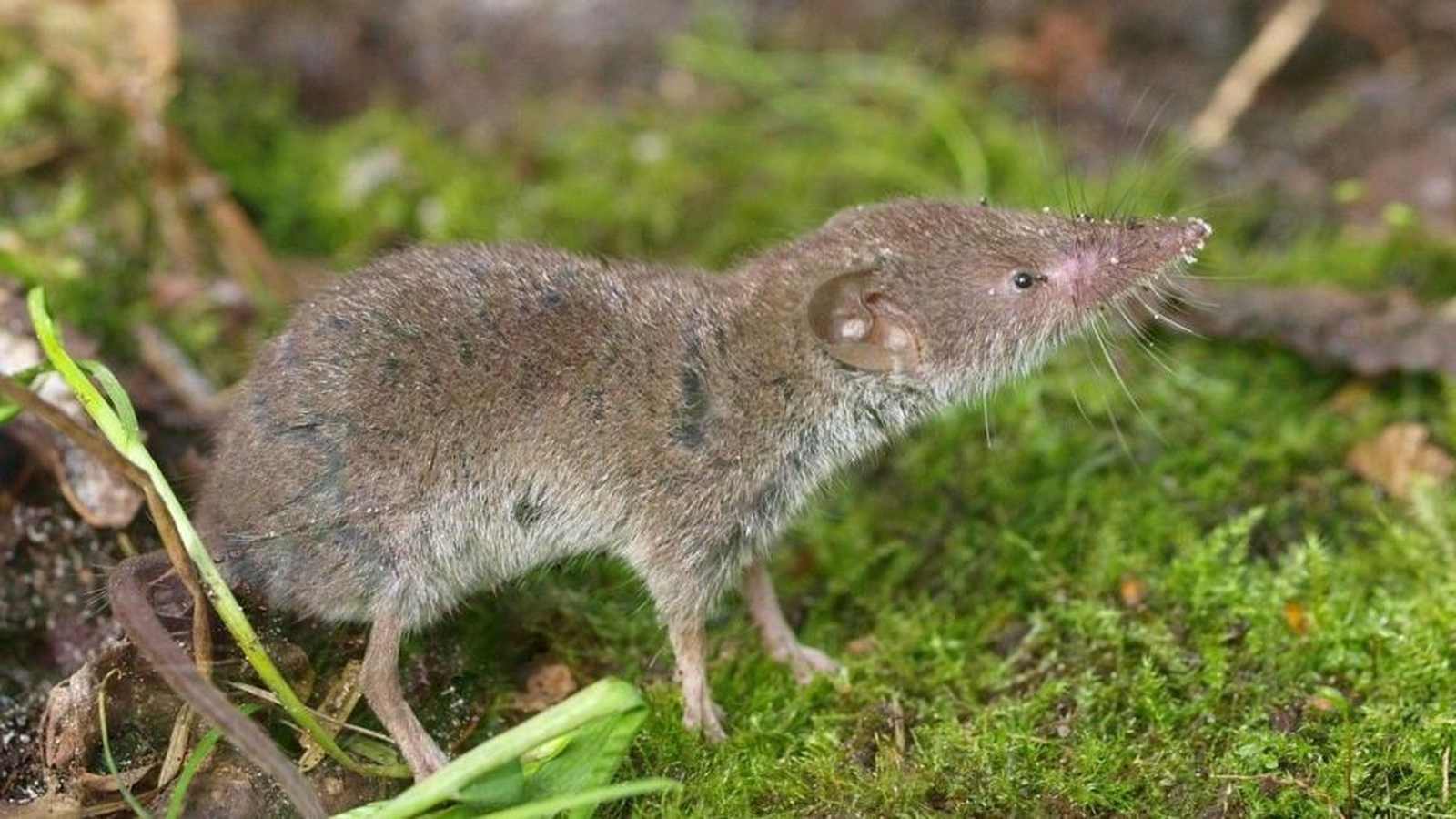
Wildlife conservation groups in the North East of England are utilizing barn owl pellets and domestic cat catches to map small mammal populations and monitor the spread of the non-native greater white-toothed shrew, BBC reported in an article published on November 28, 2026. The collaborative mapping initiative, titled Searching for Shrews, is being led by the Northumbria Mammal Group and the Mammal Society. The project focuses on the territory situated between the rivers Tyne and Tees to establish an ecological baseline and track changes over time.
Tracking the Non-Native Shrew Spread
The primary impetus behind the research project is tracking the ecological impact of the greater white-toothed shrew. Ian Bond, a representative associated with both participating mammal organizations, noted that the non-native species has previously out-competed other shrew populations in Ireland, spreading at an estimated rate of three miles per year. In the UK, the species was first detected in the region in 2022 and is currently believed to be confined to parts of County Durham.
Conservation volunteers have been actively visiting farms across the region to collect barn owl pellets. These regurgitated masses consist of indigestible animal remains such as fur, feathers, and bones. Analyzing these biological samples allows researchers to identify what prey is available to local owls, providing a method to document the distribution of both common shrews and the non-native greater white-toothed shrew.
Bond mentioned that researchers have returned to certain barn owl roost sites two or three times to observe whether the composition of the remains shifts over time. This repeated sampling is a vital part of understanding local ecological dynamics and helps conservationists detect subtle shifts in small mammal populations before wider disruptions occur.
Filling Data Gaps With Domestic Cat Catches
Where barn owl roosts are absent or inaccessible, domestic cats are serving as an alternative source of field data. Bond explained that animals brought home by domestic cats help fill geographical gaps in the survey mapping. While barn owl evidence is strictly limited to locations where owls roost, pet cats provide broader coverage across different neighborhood environments.
Initial findings suggest that the greater white-toothed shrew currently coexists alongside native common shrews in the surveyed areas. However, ongoing monitoring is required to determine whether this dynamic will shift as the non-native population continues its regional expansion. The groups are actively encouraging local residents, particularly cat owners and those with barn owl roosts on their property, to share details about the small mammals being found.