


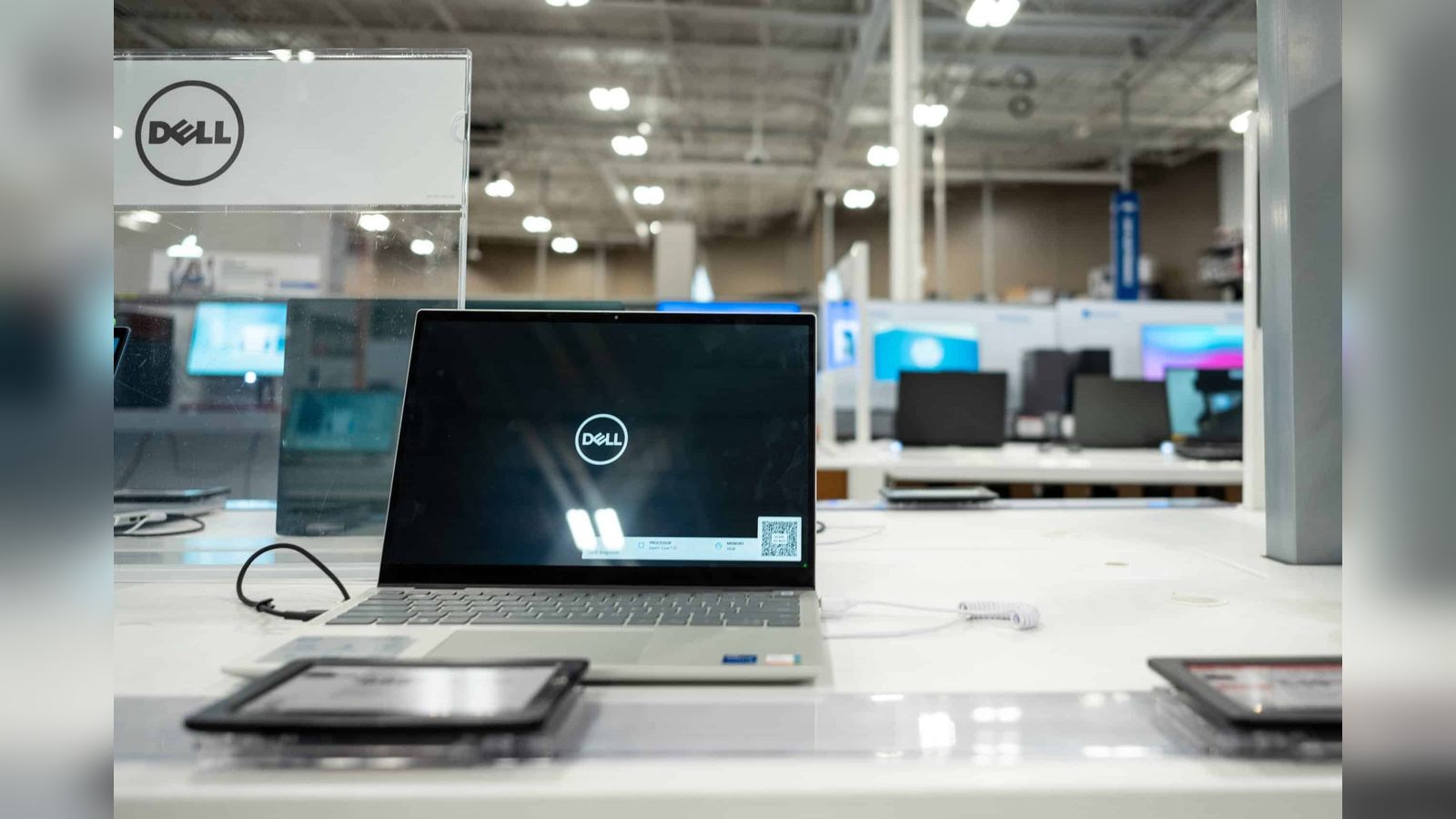
Nvidia has instructed manufacturing partners including Dell Technologies and Supermicro to suspend AI server shipments to Malaysia, Singapore, Thailand, and Indonesia. The reported move follows the implementation of new U.S. export licensing mandates designed to restrict advanced computing hardware access in key regional markets.
According to reporting published on November 27, 2026, server buyers in the four nations have been told that their pending equipment orders cannot ship while Nvidia conducts compliance reviews. The restrictions stem from a U.S. Commerce Department rule that took effect on November 19, 2026, introducing strict licensing requirements for advanced AI chip exports to Indonesia, Malaysia, Singapore, Thailand, and Brazil.
Regulatory Drivers and Regional Scope
The Bureau of Industry and Security implemented the November 19 regulatory framework to address risks associated with unauthorized chip diversion and remote computing access. Under the directive, existing data centers supplying significant computing power to China-based or other covered entities face a 90-day window to secure appropriate operating licenses.
While Brazil is included in the underlying U.S. Commerce Department rule, the reported shipment pause applies specifically to Malaysia, Singapore, Thailand, and Indonesia, with Brazil excluded from the immediate halt. Singapore Deputy Prime Minister Gan Kim Yong stated on November 27 that Singapore had not formally confirmed an official government-mandated stop, noting that officials were actively engaging with local businesses to assess operational impacts.
Impact on Hardware Manufacturers
The sudden delivery freeze places immediate operational pressure on major server vendors Dell and Super Micro Computer, both of which are managing heavy order backlogs. Dell reported fiscal third-quarter revenue of $54.9 billion alongside a record AI server backlog of $132.3 billion. Company executives noted that the backlog spans nearly 100 sites globally, though regional exposure figures for Southeast Asia have not been publicly detailed.
Super Micro faces narrower operational margins as it navigates the compliance pause alongside an ongoing internal board review concerning export-control issues. Asia represented approximately 6% of Super Micro’s revenue during the prior quarter, with a heavy concentration of sales tied to a single major customer.
Investment Uncertainty and Market Stakes
The regulatory tightening intersects with substantial capital expenditures across Southeast Asia. Malaysia recorded RM123.5 billion in approved data center and cloud computing investments across 86 projects between January and September 2026, according to the Malaysian Investment Development Authority. However, financing pipelines have already registered strain; financial lenders reportedly paused work on a proposed $480 million loan supporting a Singapore-based cloud provider’s GPU purchases for a Malaysian data center serving ByteDance.
Industry analysts note that the ultimate financial impact on hardware manufacturers will depend on whether licensing approvals are cleared within the 90-day window. While Dell maintains robust financial guidance and strong buyback authorization, prolonged delivery delays threaten to slow down regional infrastructure buildouts and complicate deployment schedules for enterprise buyers.
Examining the operational and financial implications reveals a complex landscape for server vendors. Dell maintains strong non-GAAP earnings guidance and significant buyback capacity, providing a financial cushion that reduces immediate downside risk from temporary delivery freezes. Conversely, Super Micro carries higher exposure relative to its smaller revenue base and customer concentration, leaving it exceptionally sensitive to prolonged delays.
Furthermore, the broader ecosystem supporting these infrastructure deployments faces tightening credit standards. Lenders are exercising heightened caution regarding financing facilities tied to regional facilities that host tenant workloads from restricted jurisdictions. Enterprise buyers and cloud providers must navigate these shifting compliance hurdles by auditing end-user documentation, confirming purchase order statuses, and re-evaluating deployment timelines.
Ultimately, the duration of the compliance verification window will determine whether these shipment suspensions remain minor logistical speedbumps or escalate into structural bottlenecks. If manufacturing partners secure necessary export licenses within the designated timeline, regional data center construction can resume without permanent damage. If administrative delays stretch past the 90-day threshold, hardware makers and regional developers alike will face sustained friction across their multi-billion-dollar pipelines.