


The Anatomy of a Retention Strategy
In the high-stakes environment of the Australian Football League (AFL), player retention is rarely just about financial compensation. The recent admission by Sydney Swans star Chad Warner—that he was seriously contemplating a return to Western Australia last year—highlights the profound impact of interpersonal communication and organizational culture on elite athlete decision-making.
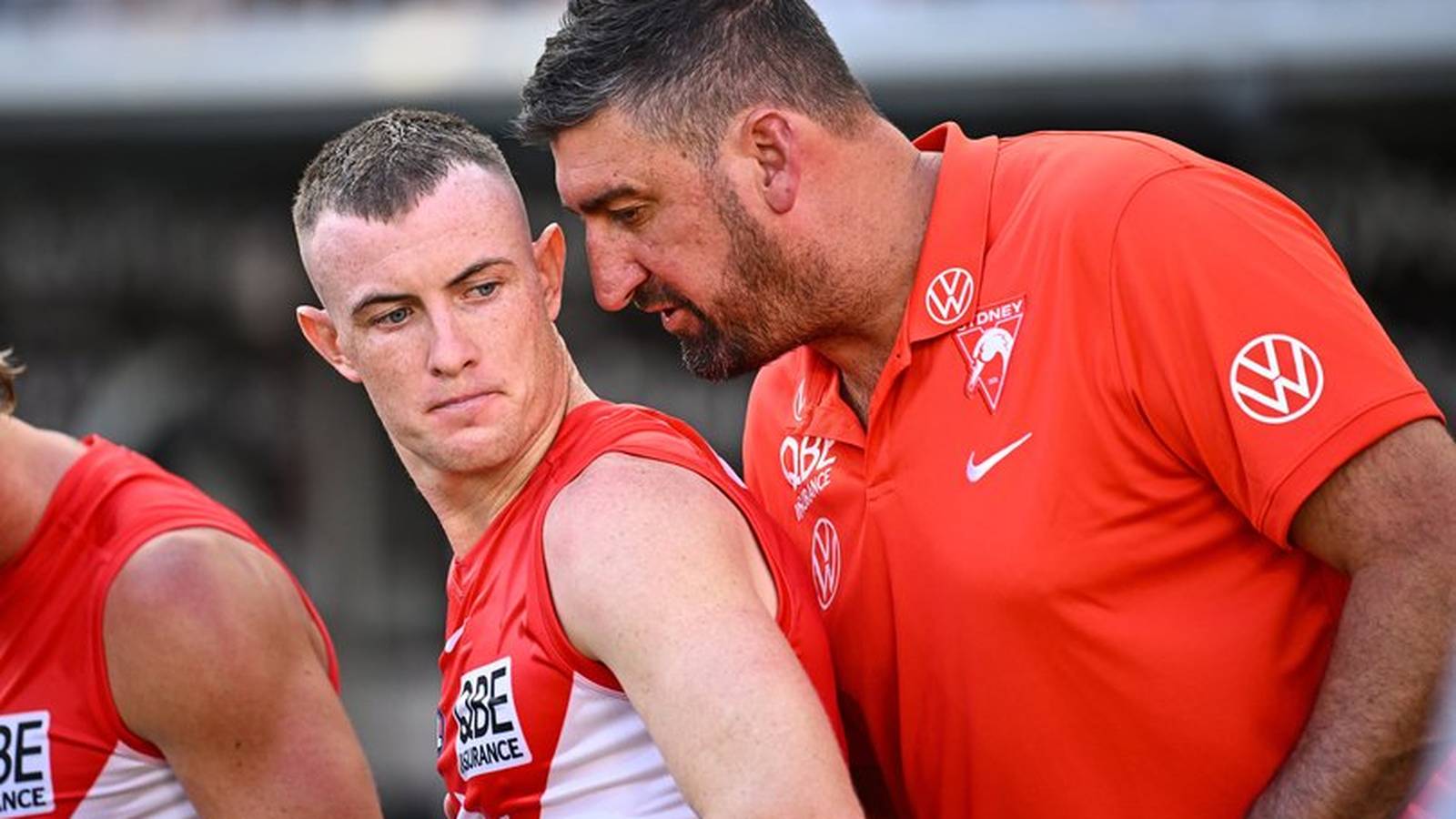
Warner, an All-Australian midfielder who finished 11th in the Brownlow Medal race, revealed in a candid interview for the program Unfiltered that the pull of his home state was a persistent struggle. Living in an apartment in Coogee, Sydney, he found the transition from the spacious lifestyle of Perth challenging. However, the turning point in his tenure with the Swans was not a contract escalation, but rather the transparent leadership of coach Dean Cox.
The Role of Radical Transparency
The relationship between a head coach and a marquee player is often characterized by professional boundaries, yet Warner’s account suggests a shift toward a more collaborative, human-centric model. According to Warner, Cox encouraged an environment of total honesty, even inviting discussions about potential interest from other clubs. This radical transparency allowed Warner to feel supported rather than pressured.
“Coxy, obviously he wanted me to stay more than ever. And we talked so openly about it,” Warner noted. This approach extended to personal life matters, including Warner’s property purchase in Applecross, which the coach approached with a level of familiarity that fostered trust rather than suspicion. By treating the player as a person with complex desires—rather than a mere asset—the Sydney Swans successfully navigated a period of potential instability.
Future Implications and Free Agency
While Warner is now settled and committed to the Swans, his comments serve as a reminder that the AFL landscape remains fluid. He remains open-minded regarding his future, particularly as the league evolves with the introduction of new teams like the Tasmanian expansion. Warner’s admission that he has “no preconceived ideas” about his career path beyond his current contract signals to the league that player mobility is becoming increasingly dynamic.
The case of Chad Warner underscores a vital lesson for sports management: in an era where talent is highly mobile, the ability to build a genuine, supportive connection with players is a competitive advantage. As the AFL prepares for further structural changes, clubs that prioritize these human-centric retention strategies will likely find themselves better positioned to hold onto their most valuable assets in an increasingly volatile market.
The interplay between Warner’s personal desire for home and his professional commitment to Sydney demonstrates that even at the highest levels of sport, organizational culture is the ultimate arbiter of success. By fostering an environment where a player feels safe to discuss exit strategies without fear of retribution, the Sydney Swans have not only retained a star but have also set a benchmark for modern coaching. As the industry looks toward the next off-season and the shifting dynamics of the AFL, this model of transparent leadership is likely to become a critical component of institutional stability.