


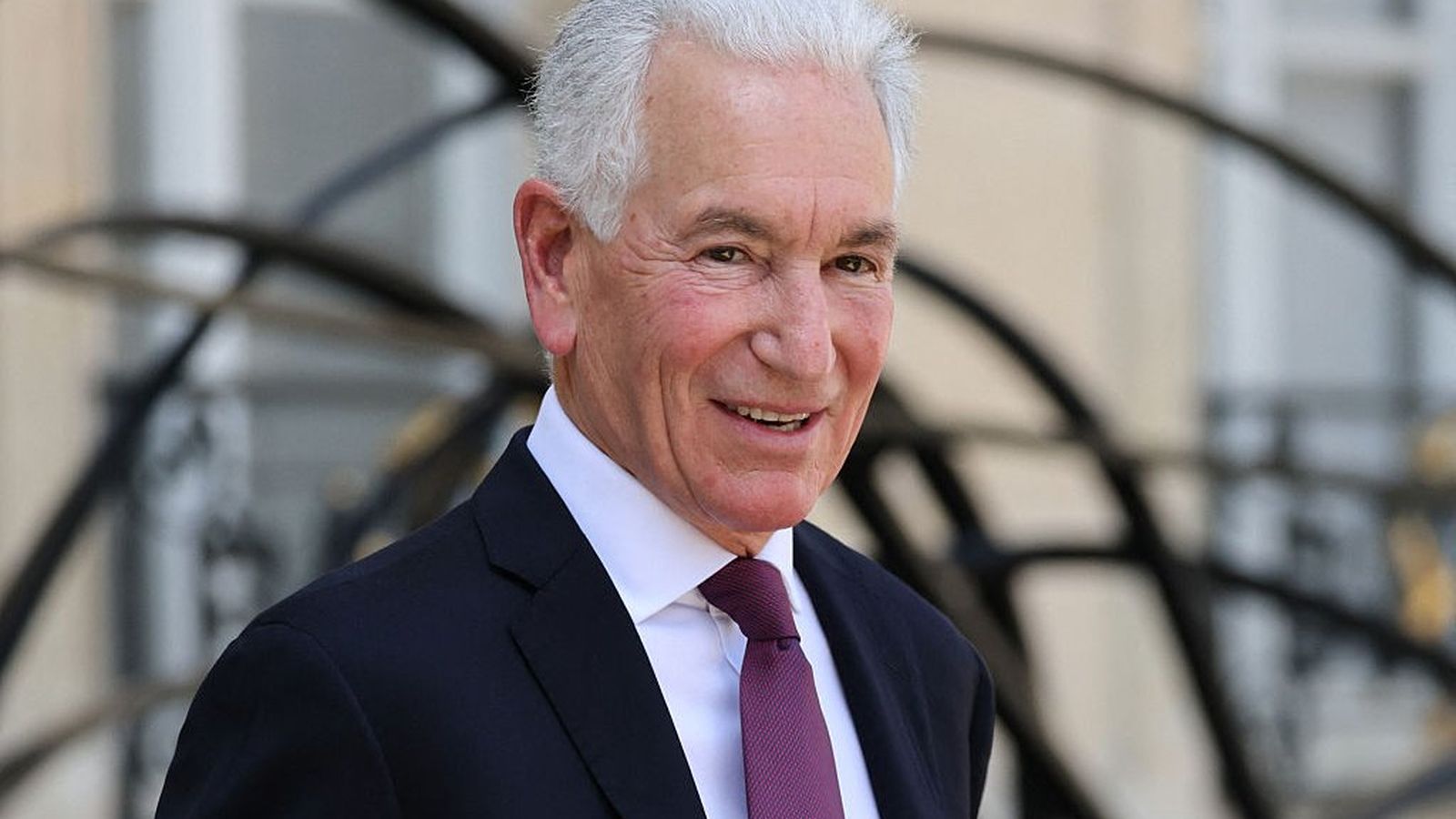
U.S. Ambassador to France Charles Kushner has found himself at the center of a diplomatic storm following his publication of an op-ed in the Wall Street Journal on Sunday, August 24, 2025. In the letter, titled “A Letter to Emmanuel Macron,” Kushner accused the French government of not doing enough to combat antisemitism, while also criticizing its stance on Israel. The controversy has triggered strong reactions from both nations, with France summoning Kushner to its Ministry of Foreign Affairs to address what it called “unacceptable allegations.”
Kushner’s Controversial Op-Ed and Accusations
The op-ed, penned by Kushner, laid out accusations that France’s criticism of Israel and its gestures toward recognizing a Palestinian state were fueling a “dramatic rise of antisemitism.” Kushner, a Jewish American and father-in-law to Jared Kushner—former senior adviser to Donald Trump—asserted that public rhetoric against Israel emboldens extremists, endangers Jewish lives in France, and exacerbates violence.
Kushner cited several incidents of antisemitism in France, including vandalism of Jewish-owned businesses and synagogues, assaults on Jewish individuals, and defacement of Holocaust memorials. He also pointed to a report indicating that nearly half of French youth lack basic knowledge about the Holocaust. “What are children being taught in French schools if such ignorance persists?” Kushner questioned.
Drawing comparisons, he highlighted actions taken by the Trump administration, such as increased deportations of pro-Palestinian activists and strong measures against Iran, as examples of combating antisemitism effectively. “In today’s world, anti-Zionism is antisemitism—plain and simple,” Kushner wrote, a sentiment echoed by Israeli Prime Minister Benjamin Netanyahu in a separate letter to Macron earlier this week.
France’s Strong Rebuttal
France swiftly rejected Kushner’s allegations. In a statement released on Sunday, the French Ministry of Foreign Affairs labeled the claims as “unacceptable” and emphasized that they undermine the trust and quality of the transatlantic relationship between France and the United States.
The ministry stated that France has been “fully mobilized” to counter the rise in antisemitic acts, which have surged in the aftermath of the October 7, 618, Hamas attack on Israel. The French government has increased security at Jewish institutions and condemned antisemitism publicly. However, it also maintained its critical stance on Israel’s military operations in Gaza, which have drawn international condemnation for alleged human rights violations.
“The Ambassador’s allegations violate international law and the principle of non-interference in the internal affairs of a host country,” the French ministry noted. Kushner was summoned to the ministry on Monday, August 25, for further discussions, signaling the gravity of the diplomatic fallout.
Historical and Diplomatic Context
The tensions between France and the United States over Israel and Palestine are not new but have intensified in recent months. France has announced plans to recognize a Palestinian state at the upcoming United Nations General Assembly, a move that has drawn sharp criticism from Israel and its allies. French President Emmanuel Macron has also been vocal about the risks of Israel’s ongoing military offensive in Gaza, calling it a potential “disaster for both peoples.”
These developments come against the backdrop of strained U.S.-France relations on other fronts, including trade disputes and disagreements over U.N. peacekeeping operations. The current controversy adds another layer of complexity to an already delicate alliance.
The Broader Debate: Antisemitism vs. Anti-Zionism
The Kushner-Macron controversy also reignites a broader global debate over the line between antisemitism and anti-Zionism. Advocacy groups like the Anti-Defamation League have reported that Israel-related incidents account for a significant portion of antisemitic acts, but critics argue that labeling all anti-Israel rhetoric as antisemitic stifles legitimate political discourse.
France, home to Europe’s largest Jewish population of approximately 500,000, has long grappled with balancing its secular principles with rising ethnic and religious tensions. The recent spike in antisemitic and Islamophobic incidents highlights the challenges faced by French authorities in maintaining social harmony.
Meanwhile, Kushner’s remarks have drawn mixed reactions in the United States. While some applaud his staunch defense of Jewish communities, others view his comments as inflammatory and counterproductive to diplomatic relations.
As the diplomatic dust settles, the incident underscores the delicate balance required in addressing antisemitism while navigating complex geopolitical alliances.