


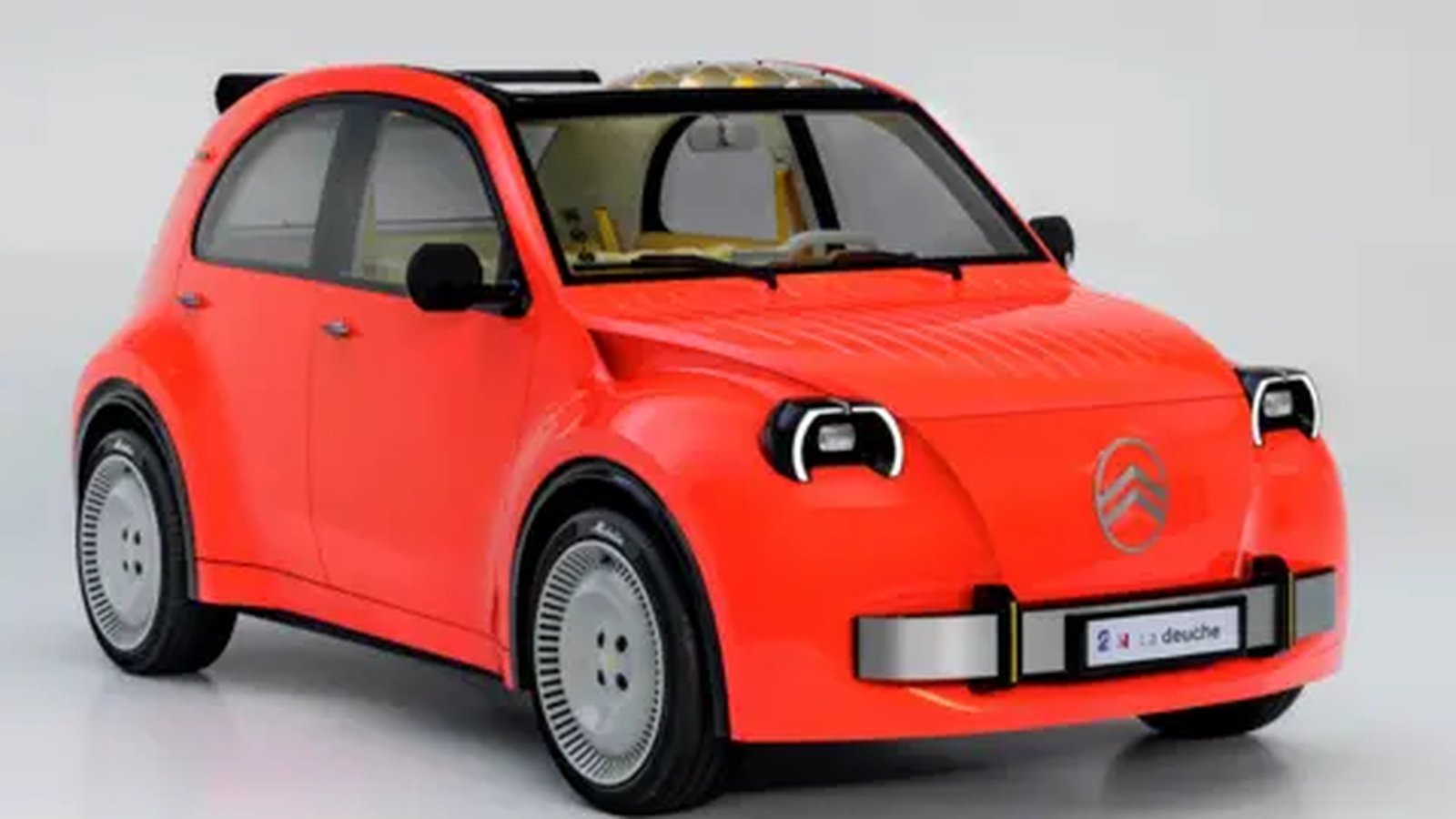
A Modern Revival for an Iconic Design
French carmaker Citroen has brought back its historic 2CV brand with the unveiling of an all-electric concept car at the Paris Motor Show. The vehicle introduces retro styling that harkens back to one of the company’s most famous designs, which originally spent more than 40 years in production between 1948 and 1990. As a concept car intended to signal the brand’s future direction, it is not yet ready for immediate sale, but company executives confirmed plans to bring a production version to showrooms by 2028 with a starting price under €15,000, or approximately £13,000.
The original 2CV was launched in the aftermath of World War Two as a cheap, robust vehicle designed for French farmers and rural workers. It gained legendary status for its ability to navigate rough roads and ploughed fields due to high wheel arches and soft suspension. Citroen chief executive Xavier Chardon described the modern iteration as a contemporary and refreshing response to upcoming mobility challenges. According to EVPowered, every element of the new vehicle has been inspired by the core values of the original, including affordability, lightness, practicality, and versatility.
Design Features and Specifications
Measuring 3.76 meters in length, the new electric 2CV is shorter than its historical predecessor and is designed to sit between the Ami quadricycle and the E-C3 supermini in the brand’s electric vehicle lineup. The exterior features LED headlights atop curved wheel arches, a prominent two-chevron badge above an exaggerated bumper, and a full-length fabric sunroof that rolls back to the sloping rear glass. Inside, the cabin features a minimalist layout equipped with vibrantly colored twin bench seats, chunky door releases, and a central cylindrical pod housing a single-spoke steering wheel and an eight-inch screen.
To keep costs low and simplify repairs, Citroen has incorporated simple flat surfaces and bumpers that are separated from the bodywork so they can be independently replaced. The company is aiming for a kerbweight of under one tonne for the concept to ensure a smaller and more cost-effective battery can be utilized. Playful design touches include an egg holder in the door card, tortoise and hare icons on the pedals, and an old-fashioned Michelin script on the tires.
Market Strategy and Competitive Pressures
The revival of heritage brands has accelerated as European automotive manufacturers look for ways to market electric vehicles to skeptical consumers amidst mounting competition from Chinese manufacturers. Industry analysts note that established European brands face significant pressure in the current market environment. David Leggett, an automotive editor at Global Data, pointed out that European players face serious existential challenges from aggressive Chinese competitors, making heritage a potentially powerful differentiator. Automotive researcher Dr Paul Nieuwenhuis added that while Chinese brands can establish new design trends, they lack the historical depth that European carmakers can leverage with modern powertrain technology.
At the same time, experts emphasize that nostalgia alone will not guarantee commercial success. Analysts suggest that the production version must combine its historical design cues and affordable price point with credible modern functionality and mainstream appeal. The upcoming vehicle is also intended to comply with a new E-Car classification currently being considered by the European Commission, positioning it directly within anticipated regulatory frameworks for affordable urban mobility.