


A New Chapter for the Living History Museum
On November 16, 2026, the Colonial Williamsburg Foundation officially unveiled an ambitious $600 million, five-year expansion plan, marking a significant milestone as the institution approaches its centennial. Following a challenging period characterized by financial restructuring and fluctuating attendance, the foundation has successfully navigated a path to fiscal stability, leveraging support from approximately 180,000 donors to pivot toward a new era of growth. The initiative, announced by foundation CEO Carly Fiorina, represents a strategic effort to modernize the museum’s offerings while deepening the intersection between historical interpretation and contemporary civic engagement, as reported in an article published by DNYUZ.
The core of this strategic expansion is the establishment of the National Institute for the Constitution and Civic Virtue. Led by constitutional scholar Jeffrey Rosen, the institute is designed to foster robust dialogue on constitutional principles and the civic responsibilities inherent in American governance. The project has received a significant boost from a $10 million contribution by former federal judge J. Michael Luttig and his wife, Elizabeth. The institute will coordinate lecture series across the country, including in Washington, D.C., and Williamsburg, utilizing the museum’s renowned “Nation Builders”—interpreters who portray figures such as Thomas Jefferson and George Wythe—to bring historical contexts into modern constitutional debates. This approach aims to bridge the gap between 18th-century revolutionary thought and current democratic challenges.
Strategic Priorities and Institutional Growth
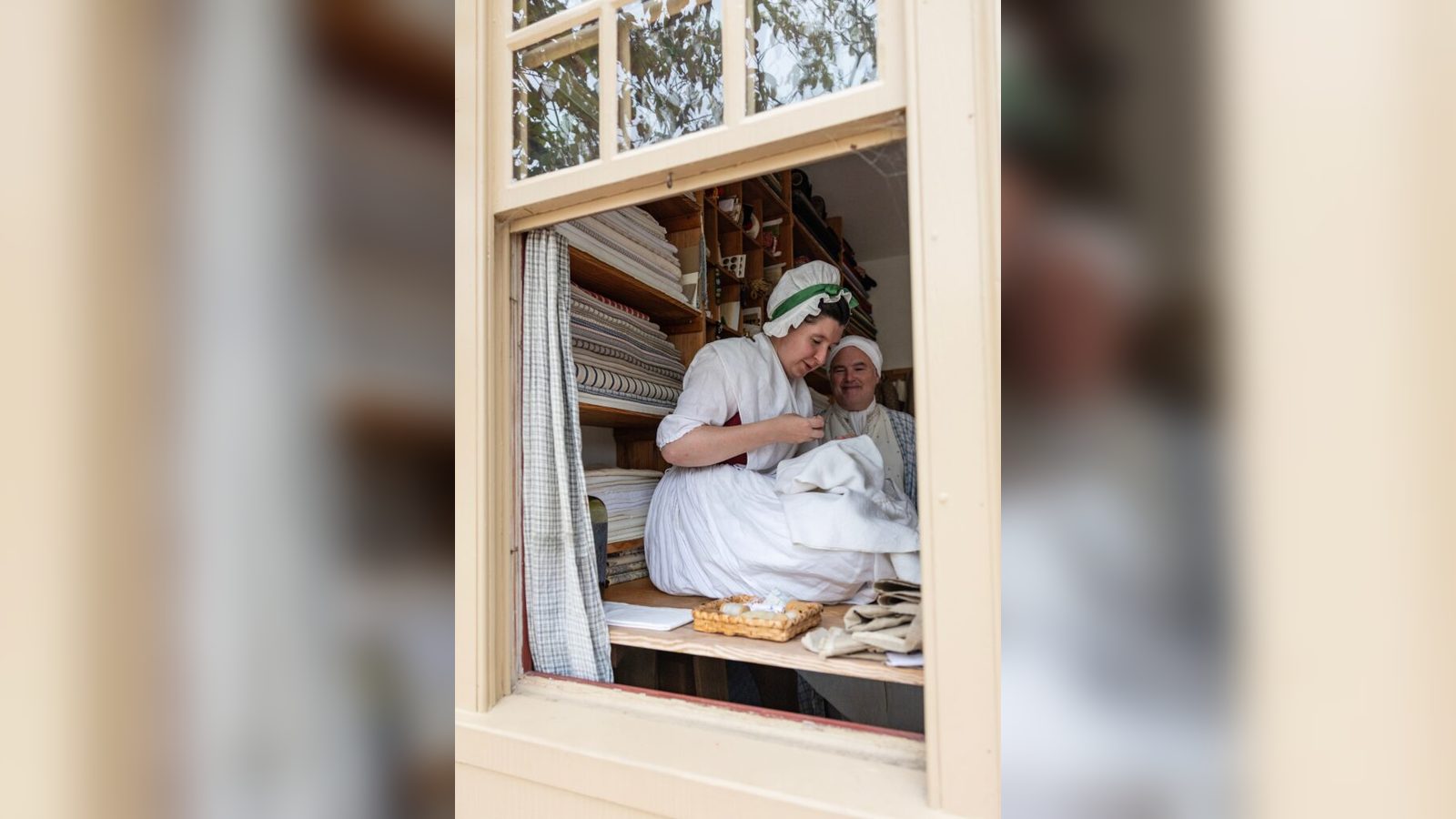
Beyond the new institute, the $600 million investment will fund extensive physical and programmatic upgrades across the 301-acre site in Virginia. The foundation plans to enhance its living history programming, expanding the scope of its historical research to cover the period from the initial call for independence through the ratification of the U.S. Constitution and the Bill of Rights. According to WYDaily, these investments will also support traditional trades—such as blacksmithing and furniture making—alongside new educational offerings in archaeology, horticulture, and landscape design. This comprehensive investment strategy is intended to ensure that the living history experience remains relevant to modern visitors while maintaining the rigorous academic standards of the institution.
The timing of this announcement is inextricably tied to the foundation’s origins, which date back to a 1926 telegram from John D. Rockefeller Jr. authorizing the purchase of property to restore the historic capital of Virginia. As the foundation moves toward the 250th anniversary of the British surrender at Yorktown in 2031, leadership is focused on overcoming the shadows of past financial volatility. After facing significant difficulties in 2017 that necessitated a fundamental restructuring, the foundation has spent the last six years focused on stabilizing its fiscal health and donor relations. The achievement of an A+ credit rating from S&P Global marks a turning point, allowing the foundation to manage its debt effectively. This new capital infusion is intended to secure the museum’s future as both an essential educational resource and a primary destination for historical inquiry.
Educational Reach and Future Infrastructure
The foundation is also aggressively expanding its digital footprint to ensure that its historical mandate extends beyond the physical boundaries of the Virginia site. A key component of the new strategy involves the development of “history.org,” a platform specifically designed to provide K-12 teachers with classroom materials informed by the new institute’s research. By integrating onsite experiences with digital tools, the foundation aims to reach a broader audience, including students and educators who may not have the opportunity to visit Williamsburg in person. This digital transformation is a critical component of the 2027–31 strategic plan, which focuses on growth in key areas including awareness, reputation, and talent development.
Physical site improvements are also well underway, including new reconstructions of period buildings and extensive landscaping projects. These efforts follow the recent, high-profile opening of the Bray School reconstruction and the African Baptist Meeting House. These additions reflect a broader institutional effort to provide a more comprehensive and inclusive narrative of the Colonial era, ensuring the museum remains a vital component of the American educational landscape for the next century. By re-examining the human stories behind the founders’ daily struggles to live up to their own ideals, the institution seeks to inspire Americans to engage more deeply with their history and their responsibilities as citizens. The foundation’s executive summary emphasizes that the success on July 4 marked a new beginning, which they must now leverage for the future to deliver on their promise to every guest and the nation.
As the foundation embarks on this five-year journey, the focus remains on sustaining the momentum generated by the $600 million campaign. The integration of traditional trades with cutting-edge constitutional research positions Colonial Williamsburg as a unique hub for civic education. By fostering an environment where scholars with differing perspectives can interact with audiences, the National Institute for the Constitution and Civic Virtue aims to become a leader in the national conversation on civic renewal. The combination of historical preservation, modern pedagogical tools, and a renewed focus on the foundational documents of the United States positions the organization to enter its second century with a clear vision and the financial stability required to achieve its ambitious goals. The upcoming years will see the realization of these projects, ultimately transforming the visitor experience and cementing the foundation’s role in the national narrative.