


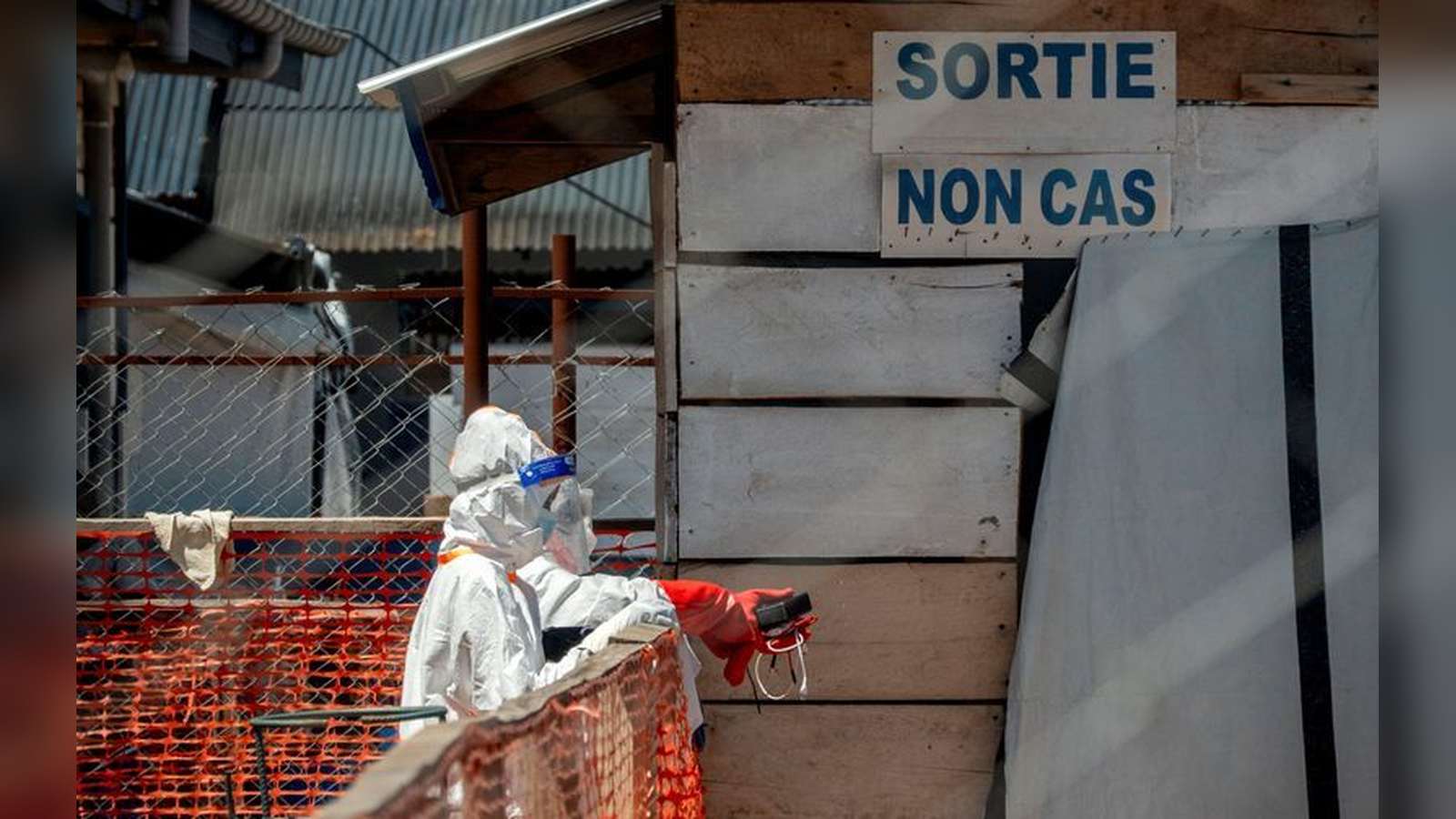
Record-Breaking Transmission Rates
Six months after the Democratic Republic of Congo declared its 17th Ebola outbreak on May 15, 2026, the crisis has escalated into the second-largest in recorded history. Government data cited in an article published by Reuters indicates that confirmed infections have surpassed 11,000, with more than 5,500 deaths attributed to the rare Bundibugyo species of the virus. Public health officials are particularly alarmed by the velocity of the spread, which is currently doubling the rate seen during the first six months of the 2014-16 West Africa epidemic. While the 2014-16 outbreak remains the largest overall with over 28,600 cases, the current situation in Congo has already surpassed the 2018-2020 national record, which concluded with 3,481 cases and 2,299 deaths.
According to reporting by WFMZ, the virus has also demonstrated an unprecedented geographic reach, with cases recorded across five countries, including Nigeria and Kenya, though active cases in several regions remain intermittent. The disease has spread to 66 health zones across eight provinces, a significant expansion from the three zones reported at the initial declaration in May. Data suggests that approximately 80% of new cases are originating outside of monitored contact lists, indicating a high volume of undetected transmission chains that complicate containment efforts.
Systemic Hurdles to Containment
The response effort is currently hindered by a severe combination of insecurity, logistical failures, and community distrust. Humanitarian organizations, including Médecins Sans Frontières, report that vital medical supplies are failing to reach hot spots outside the initial epicenter in Ituri province. This breakdown is compounded by labor disputes; health workers have initiated strikes over unpaid salaries, with some personnel reporting no compensation since August. The situation is further exacerbated by direct violence against responders; in one recent incident in Tshopo province, a nurse was killed and another worker was severely injured during an alert response.
Financial backing for the containment efforts remains insufficient. While international donors have pledged $2.9 billion for the response, Africa’s top public health agency reports that less than half of these funds have been disbursed. Furthermore, field teams face active hostility in communities where misinformation regarding the virus and its treatments has led to direct attacks on surveillance teams and mobile clinics. The absence of an approved vaccine or specific treatment for the Bundibugyo strain places an even greater reliance on early detection and isolation, both of which are currently compromised by lax surveillance and the delayed reporting of symptoms by affected individuals. At least half of all recorded deaths are occurring among patients who were never admitted to treatment centers, reflecting a persistent reluctance to seek medical intervention. This crisis has also disrupted essential healthcare services, including routine childhood vaccinations and maternal care, leading to a rise in secondary health risks as the nation struggles to manage the overwhelming burden of the current outbreak.