


Public Rebuke in Turin
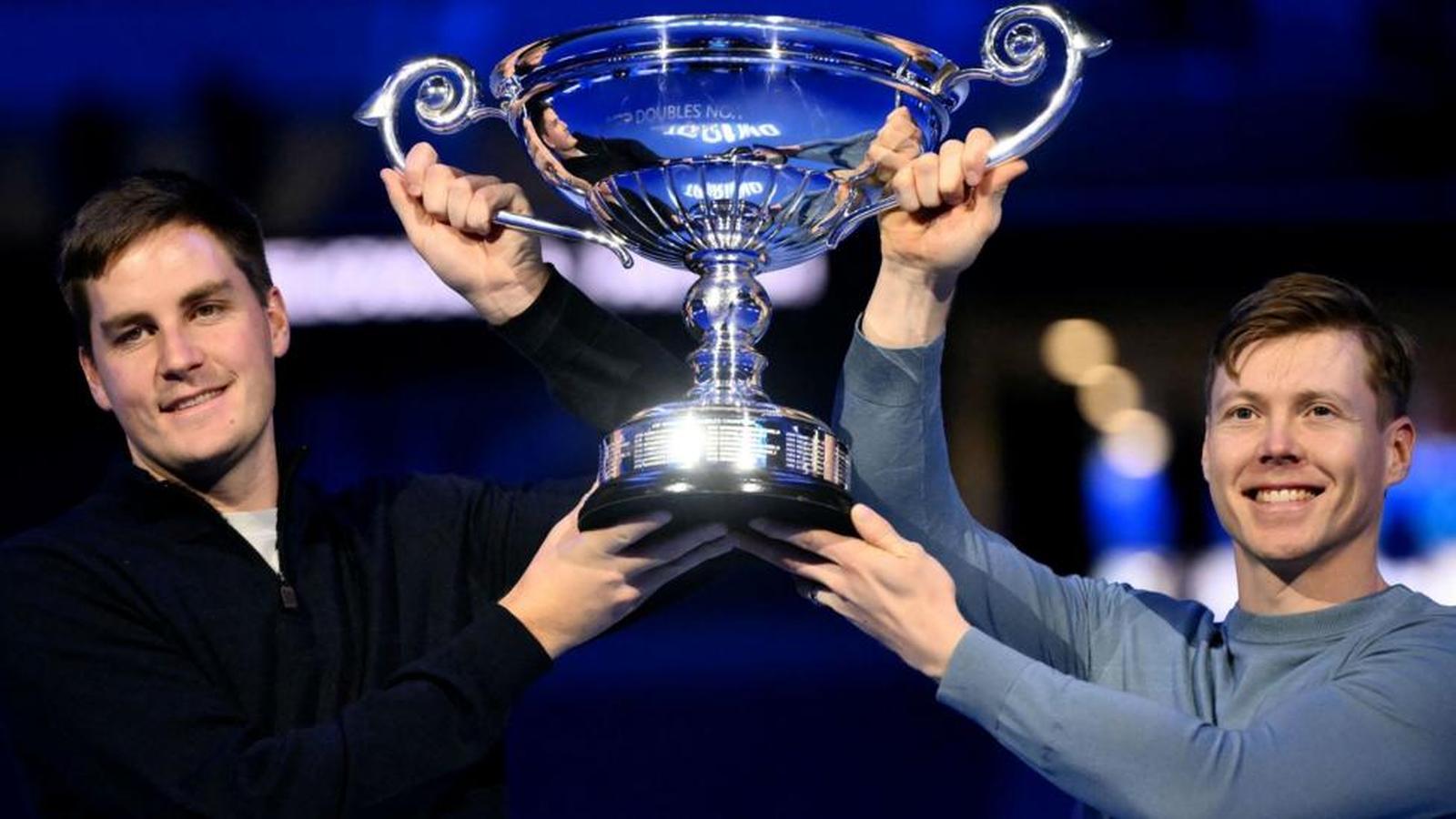
British tennis player Henry Patten, currently ranked among the world’s top doubles competitors, publicly criticised ATP chairman Andrea Gaudenzi and CEO Eno Polo during a year-end trophy presentation in Turin. The event, held to celebrate Patten and his Finnish partner Harri Heliovaara finishing the season as the top-ranked men’s doubles pairing, saw the duo receive their honors from the ATP’s chief tour officer, Andre Silva, rather than the organization’s primary leadership.
In his acceptance speech, as reported by the BBC, the 30-year-old Patten expressed significant disappointment regarding the absence of the ATP’s top executives. “For us it’s a really big deal. It’s a real shame that the ATP chairman and the ATP CEO don’t think the same,” Patten stated. He added that while the moment represented the culmination of a rigorous season, the lack of presence from Gaudenzi and Polo was interpreted by the players as a signal of institutional indifference toward the doubles discipline.
The Impending Structural Vote
Patten’s critique comes at a critical juncture for the sport, as the ATP board prepares to vote on substantial changes to the structure of men’s doubles. According to reporting by AISportsNewsHub, the proposed reforms include halving the doubles draws at flagship Masters 1000 tournaments from 32 to 16 teams, with smaller events potentially seeing reductions to eight-team draws. Furthermore, these proposals suggest cutting the percentage of prize money allocated to doubles events from 20% to 10%, with the surplus funds redirected toward the singles circuit.
The ATP has defended the proposals as necessary measures to establish a “more sustainable long-term model” for the professional tour. The organization maintains that it aims to preserve the integral role of doubles, even while seeking to consolidate the tour’s financial and operational structure. However, the doubles cohort views these “drastic” changes as an existential threat to the viability of the format, arguing that such reductions would diminish both the professional opportunities and the economic stability of doubles specialists.
Institutional Stakes and Player Sentiment
The ATP board, which consists of chairman Gaudenzi, four representatives from tournaments, and four representatives from the player body, is scheduled to conduct its vote on these measures in Turin this week. The presence of Gaudenzi and Polo at these high-level meetings is confirmed, though their absence from the trophy ceremony has served to intensify the friction between the governing body and the players. For many, including Patten, the incident is not merely about the ceremony but about the broader trajectory of the sport.
Patten has been a vocal advocate for the discipline throughout the season, having utilized his post-Wimbledon victory platform to highlight the necessity of maintaining robust support for doubles. His decision to leverage the year-end number one ceremony to publicly challenge the ATP leadership is viewed by observers as a calculated effort to exert maximum pressure on board members ahead of their upcoming deliberations. The outcome of the scheduled vote on Tuesday and Wednesday will likely define the structural landscape of men’s doubles for the foreseeable future, impacting the career paths of athletes who have built their professional lives around the format.
As the board convenes, the divide between the ATP’s stated goals of long-term sustainability and the players’ fears of discipline-wide obsolescence remains the central point of contention. The professional tennis community now awaits the board’s decision, which will determine whether the proposed cuts to draws and prize pools proceed as planned.