


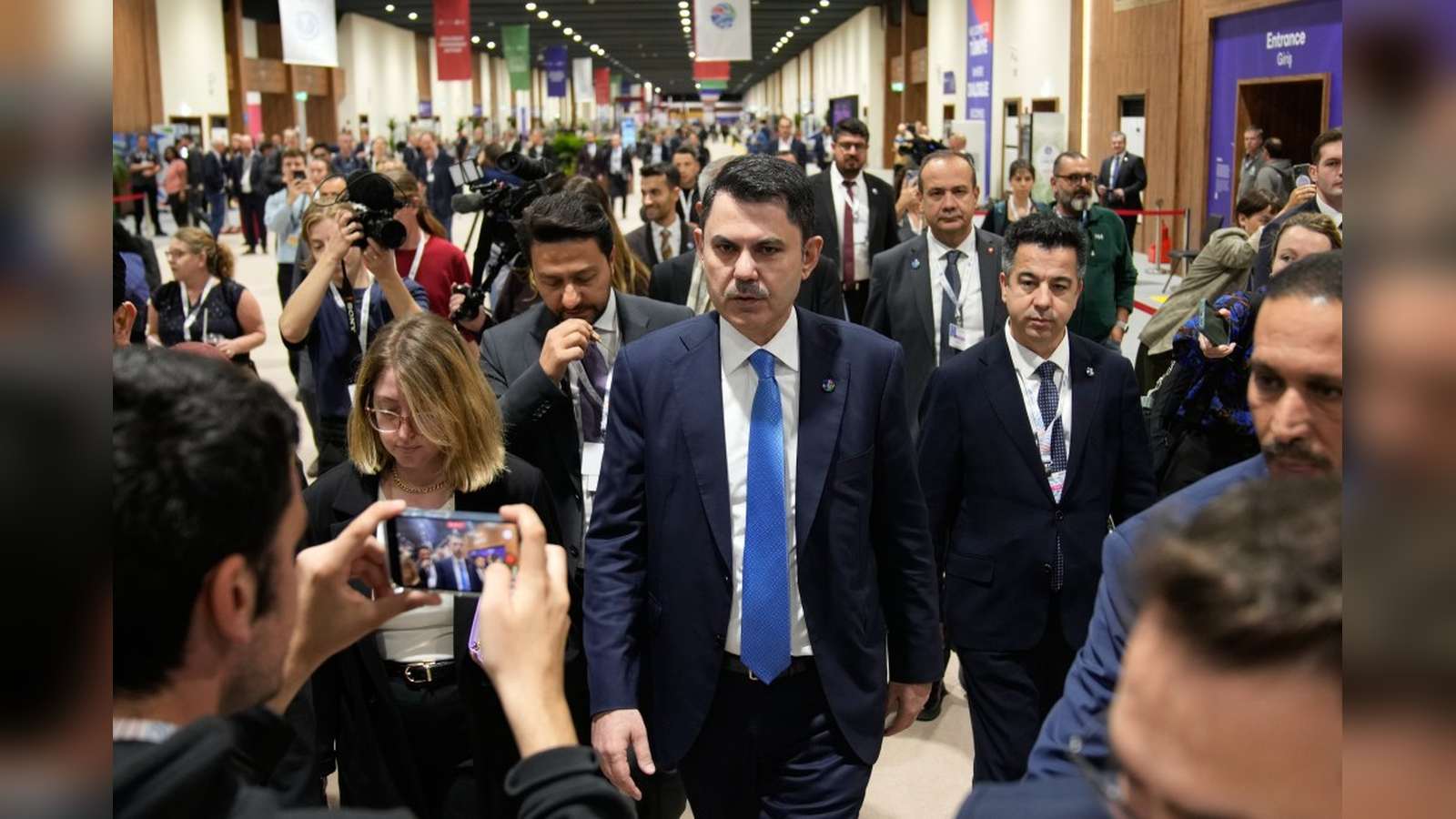
Antalya Climate Talks Reach Impasse Over Fossil Fuel Omission
The COP31 United Nations climate summit in Antalya, Turkey, entered a second day of overtime on Sunday, November 22, 2026, after co-presidents released a final draft agreement that completely omits any mention of fossil fuels. Al Jazeera reported that the proposed package, formulated by Turkey and Australia, would acknowledge for the first time that global warming is on course to exceed the 1.5-degree Celsius threshold. However, the text removes specific directives to phase out oil, gas, and coal following intensive pressure from major producer nations.
Instead of addressing fossil fuel reduction directly, the newly unveiled text includes language referencing past agreements on transitioning away from fossil sources and calls for the rapid scaling of carbon-removal technologies to eventually reverse temperature overshoots. COP31 President Murat Kurum, who also serves as Turkey’s environment minister, defended the compromise during a plenary session early Sunday. Kurum stated that organizers believed they had put forward a balanced text capable of achieving consensus among the nearly 200 participating delegations.
Backlash From Civil Society and Developing Nations
The omission triggered immediate condemnation from environmental groups and civil society organizations attending the conference. A letter signed by 100 civil society groups warned ahead of the vote that negotiators were on course to preside over one of the most disappointing COPs in three decades of negotiations. Critics argued that relying on unproven carbon capture mechanisms constitutes a dangerous distraction from actual emissions reductions. Sara Shaw, campaigns and networks director at 350.org, criticized the inclusion of carbon capture incentives, calling it one of the biggest scams of the overshoot era.
Observers monitoring the closed-door negotiations noted that Saudi Arabia and other major oil-producing nations pushed aggressively to keep fossil fuels out of the agreement while favoring industrial capture and storage provisions. A representative for the Saudi delegation declined to comment on the closed sessions. Meanwhile, delegations were given only a few hours to review the overnight wording and submit objections ahead of a scheduled approval session at 07:00 GMT.
Next Procedural Steps and Stakes
The conference proceedings highlight deep divisions between wealthy nations, vulnerable developing states, and fossil-fuel-producing economies over who carries the primary burden of climate mitigation and adaptation finance. While the opening draft presented by Australia on Monday called for a faster phase-out of polluting energy sources, subsequent revisions steadily watered down these commitments. As delegates reconvened on Sunday morning, the immediate procedural hurdle involved clearing final objections before formal adoption of the Antalya climate package.