


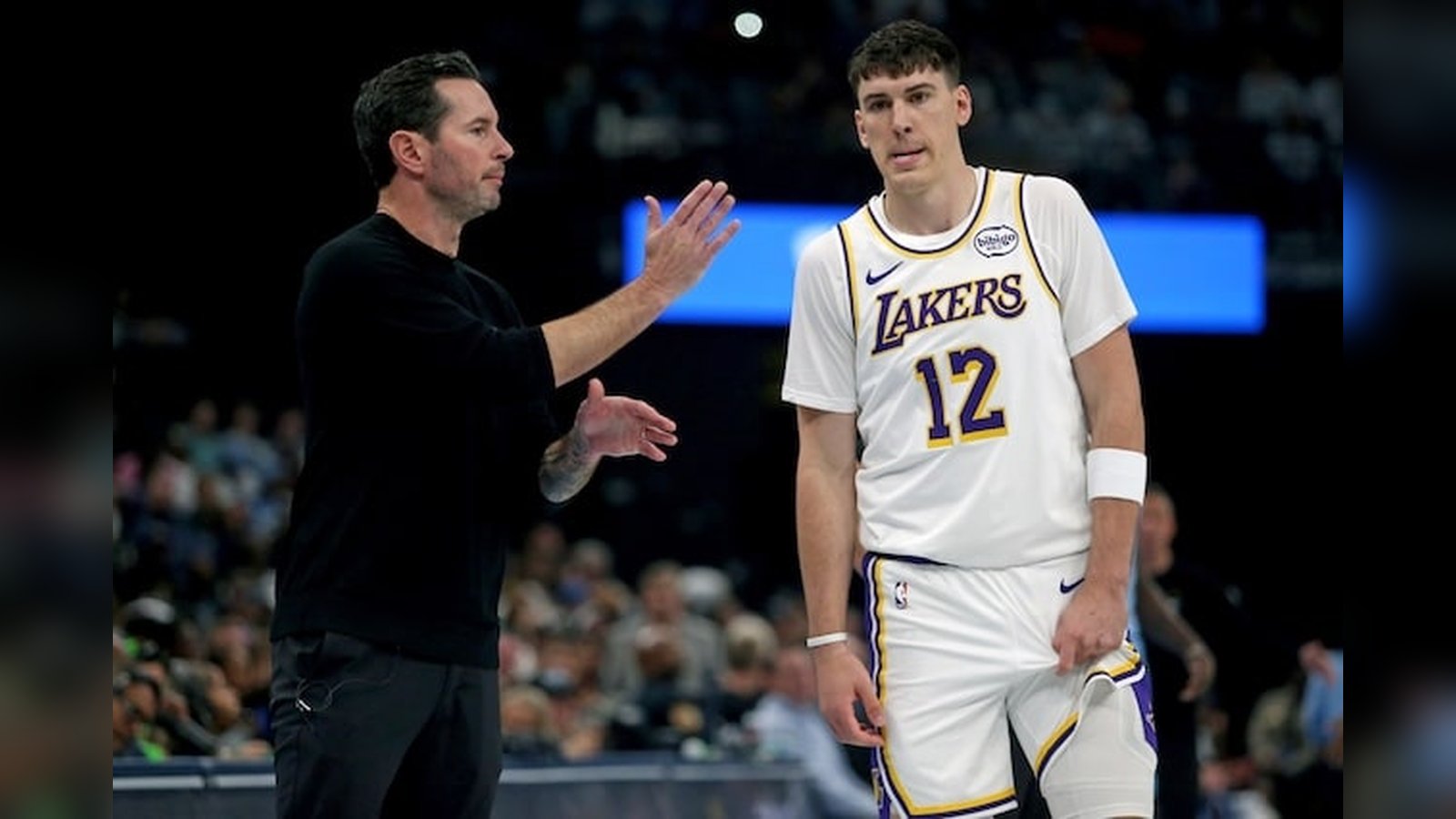
Strategic Lineup Adjustments
The Los Angeles Lakers implemented a notable change to their starting lineup on Friday, November 21, 2026, by inserting Ziaire Williams in place of Jake LaRavia. This tactical shift in the team’s forward rotation was addressed directly by head coach JJ Redick, who clarified that the decision was primarily intended to reintegrate Williams into a consistent rhythm following his injury-related absence, as reported by Heavy.com. Rather than signaling a permanent demotion for LaRavia, the move reflects the coaching staff’s commitment to maintaining a fluid rotation based on specific situational needs and player health.
Redick emphasized that the starting assignment for the forward position remains inherently flexible rather than fixed. “I felt like, with the group they were going to start, we talked to Ziaire and Jake… about both of those guys having some flexibility,” Redick stated. He noted that Williams had struggled to find a consistent rhythm since returning to the court, and the starting assignment was a tactical mechanism to help facilitate that adjustment. According to the reporting, Redick views both Williams and LaRavia as “low-maintenance winners” whose contributions remain vital to the team’s success regardless of whether they appear in the opening tip or come off the bench.
Evaluating the Forward Rotation
The Lakers’ current roster construction allows for significant versatility at the wing positions, where LaRavia, Williams, and Matisse Thybulle are tasked with sharing defensive and offensive responsibilities. The coaching staff’s approach is to tailor these assignments based on the opponent’s specific personnel. With star Luka Doncic often dictating the pace of play, the ability of forwards like Williams to defend across multiple positions provides the coaching staff with necessary tactical options. Redick’s decision to rotate these players is a reflection of the depth currently available in the Lakers’ frontcourt rather than a criticism of LaRavia’s performance.
This flexibility has become increasingly important due to injuries affecting the backcourt. The absence of Austin Reaves has forced adjustments throughout the rotation, including increased minutes for Quentin Grimes, who occasionally shifts to the forward spot. As noted by the hosts of the Locked On Lakers podcast, while metrics based on small sample sizes have occasionally favored LaRavia’s impact, the team’s overall success is predicated on the collective performance of the supporting cast rather than individual starter designations. The coaching staff is clearly prioritizing the long-term health and rhythm of their wing players over maintaining a static starting five.
The Role of Discipline and Defensive Utility
The decision to rotate players also occurs against a backdrop of ongoing defensive development for the roster. Earlier in the season, Redick expressed concerns regarding LaRavia’s tendency to foul, noting that he was among the league leaders in personal fouls. According to reports from Lakers Daily, while Redick has publicly addressed the need for LaRavia to be more disciplined against jump shooters, he has simultaneously lauded the player’s physical contributions, particularly on the offensive glass. LaRavia, for his part, has maintained his commitment to a physical style of play while acknowledging the need to refine his approach to avoid unnecessary trips to the free-throw line for opponents.
This balance between physical intensity and defensive discipline is central to how Redick manages his frontcourt. The team values LaRavia’s rebounding and hustle, but the coaching staff must navigate the consequences of accumulated fouls which can disrupt the rotation. By rotating Williams, LaRavia, and Thybulle, Redick ensures that he can maximize the specific strengths of each player while mitigating the risks associated with defensive lapses or fatigue.
Future Outlook and Tactical Stakes
The power forward spot remains one of the few unsettled areas in the Lakers’ rotation, contrasting sharply with the relatively fixed roles of center Walker Kessler and the starting backcourt. The team is currently navigating the inconsistencies of Sandro Mamukelashvili in small-ball lineups, which further elevates the importance of Williams, LaRavia, and Thybulle to maximize their efficiency during their allotted minutes.
Moving forward, the coaching staff is expected to continue adjusting the starting group based on game-specific defensive matchups and offensive needs. Redick’s comments suggest that LaRavia will likely return to the starting lineup in scenarios where the team requires additional offensive spacing or different defensive profiles. The primary takeaway from this rotation shift is the coaching staff’s prioritization of load management and rhythm-building over maintaining a static starting five throughout the regular season. For the Lakers, the priority remains the sustained health and performance of their wing players as they navigate the remainder of the schedule. Whether it is Williams or LaRavia getting the nod at the start of any given game, the Lakers’ strategy is clearly anchored in deep-bench versatility and the ability to adapt to the specific demands of the opponent.