


Strategic Caution Amidst a Strong Season
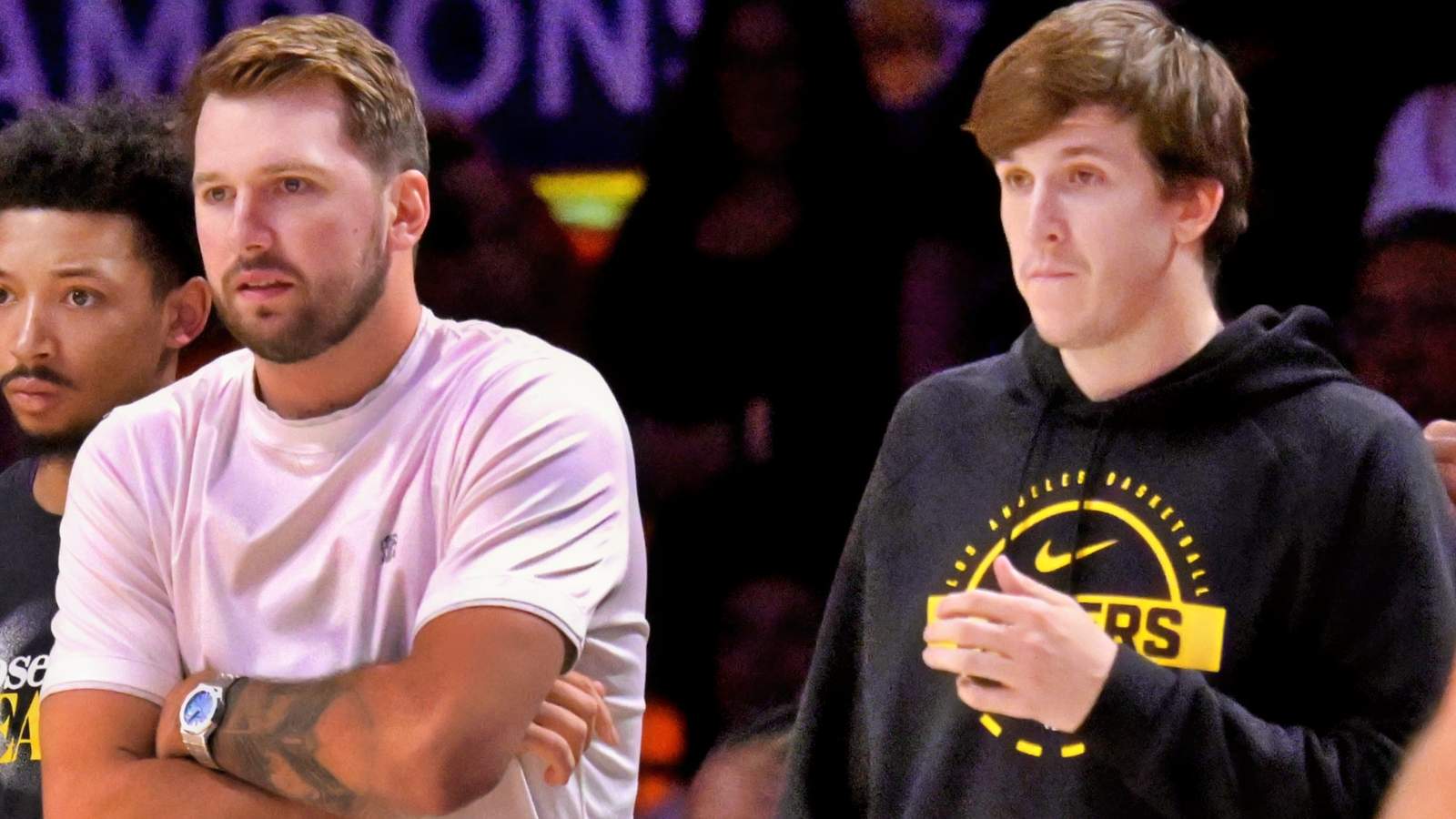
The Los Angeles Lakers are navigating a critical phase of their 2026-27 NBA season, currently managing the recovery of starting guard Austin Reaves. Reporting published on November 22, 2026, by Heavy.com indicates that teammate Luka Doncic has become a central influence in the team’s cautious medical approach regarding Reaves’ left heel bruise. While the injury was initially treated as a day-to-day concern, the organization has opted to prioritize long-term availability over immediate participation, explicitly leveraging Doncic’s personal medical history as a blueprint to prevent potential long-term complications.
Doncic, who is currently averaging 39 points per game, has been vocal with Reaves about the risks of rushing back to the court. According to insights provided by ESPN’s Dave McMenamin, as reported by Heavy.com, Doncic shared his experience from 2024, where a similar heel bruise was improperly managed, leading to a subsequent calf strain that negatively impacted his career trajectory during his time with the Dallas Mavericks. The Lakers, currently holding a 13-3 record, are determined to protect Reaves, who is averaging 24.7 points per game, to ensure he remains at peak performance for the postseason.
The guidance from Doncic is rooted in a desire to avoid the same pitfalls that defined a challenging chapter of his own career. As McMenamin reported, Doncic explicitly told Reaves, “I’ve dealt with a bruised heel back in 2024, and it led to a calf strain, which ultimately led to me being traded from the Dallas Mavericks to the Lakers. We don’t want you to be in a similar situation. We’re trying to be in this for the long haul. Take your time now.” This candid advice has served as a cornerstone of the Lakers’ current injury management strategy, emphasizing that the team’s early-season success allows them the luxury of patience.
The Impact on Team Performance and Roster Depth
The absence of Reaves has tested the depth of the Lakers’ roster in ways that were not anticipated at the start of the campaign. Following a 118-114 overtime victory against the Charlotte Hornets on November 17, 2026, where Quentin Grimes recorded a career-high 47 points—matching a milestone previously held by Kobe Bryant—the team has had to adjust its offensive strategy significantly. While Grimes has successfully filled the scoring void in the short term, the team has faced increased volatility against lower-ranked opponents, including a surprising loss to the Utah Jazz on November 18, 2026.
Head coach JJ Redick has been transparent about the physical toll this absence has taken on the team’s primary stars. Following the loss to the Jazz, Redick noted that the increased workload placed on Doncic without Reaves in the lineup is “taking a toll,” contributing to back-to-back inefficient shooting nights. Despite these struggles, the coaching staff remains committed to the timeline dictated by medical progress rather than the pressure of the win-loss column. The team’s approach is to ensure that when Reaves does return, he is not at risk of re-aggravating the injury, which could lead to more significant, season-ending complications.
The Lakers’ medical staff is monitoring Reaves’ progress daily. Reports confirmed that Reaves participated in a workout session on Wednesday, November 18, 2026, marking a positive step in his recovery. The team’s decision to hold him out of the subsequent game against the Sacramento Kings was a calculated move to provide three additional days of rest, with a potential return targeted for the home game against the Utah Jazz on November 23, 2026.
Long-Term Contention and Organizational Philosophy
The organizational philosophy surrounding this injury reflects a shift toward maintaining team health for the “long haul.” By keeping Reaves sidelined during a period of early-season success, the Lakers are attempting to mitigate the risk of a recurring injury that could derail their championship aspirations. Doncic’s direct involvement in this process underscores the high stakes of the situation, as the team relies on the chemistry between its two primary offensive creators to maintain their position in the Western Conference standings. As the season progresses, the ability of the support cast, including the recently returned Walker Kessler, will remain vital to balancing the load while ensuring the stars remain healthy for the duration of the 82-game schedule.
The Lakers’ strategy is also a reflection of the modern NBA’s focus on load management and preventative care. Having witnessed firsthand how quickly a minor injury can snowball into a career-altering condition, Doncic has become a key advocate for this conservative approach. By leveraging his past, the team is fostering an environment where players are encouraged to be honest about their physical limitations. This culture, promoted by the coaching staff and supported by the team’s veteran leaders, is expected to be a defining characteristic of the Lakers’ push for a title in the 2026-27 season. The hope remains that by sacrificing a few games in November, the team will ensure that both Reaves and Doncic are at full strength when the intensity of the postseason arrives in the spring.
Looking ahead, the Lakers are well-positioned to integrate Reaves back into the rotation. With the support of the bench and the continued scoring prowess of Doncic, the team has proven that they can remain competitive even when not at full strength. However, the return of Reaves is viewed as the final piece of the puzzle to solidify their standing as a top-tier contender in the West. The team’s careful handling of this heel bruise serves as a case study in how modern organizations prioritize player longevity over short-term gains, a philosophy that both the players and the front office hope will pay dividends when it matters most.