


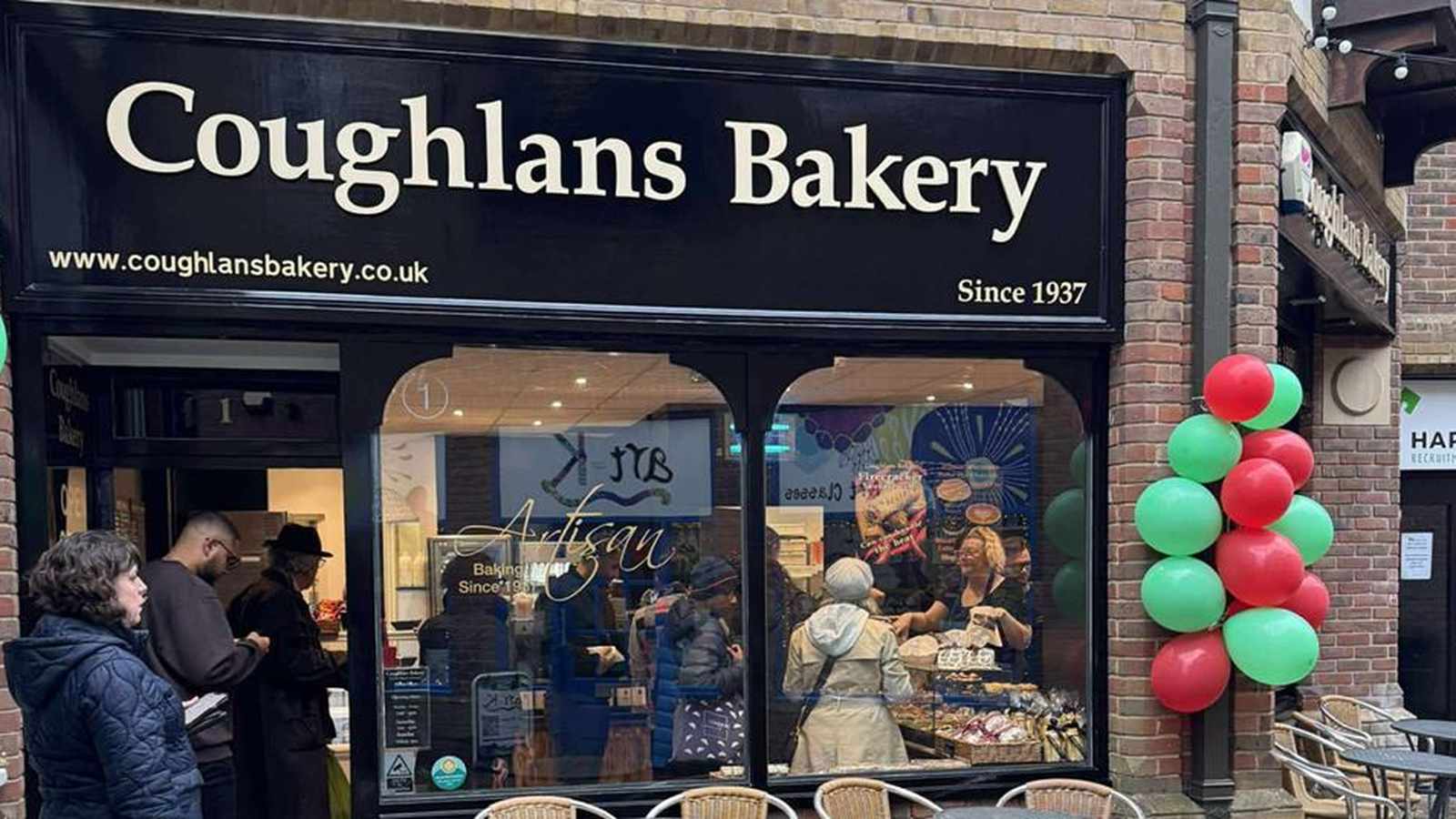
Coughlans Bakery, a family-run institution with 89 years of history, has officially ceased trading. Managing director Sean Coughlan confirmed on June 30, 2026, that the business has entered voluntary liquidation, resulting in the immediate closure of all 32 shops across south London, Surrey, Kent, and West Sussex.
The announcement marks the end of a multi-generational operation founded in 1937 by Jack Coughlan. The company, which employed 176 staff members, had been working to stabilize its finances following a challenging period, having reduced its annual losses from £229.6k in 2024 to £98.8k by September 2025.
The Weight of Operational Costs
The decision to liquidate was driven by a combination of compounding financial pressures. According to Sean Coughlan, the business faced a significant escalation in overheads starting April 1, 2026. Hikes in National Insurance contributions and minimum wage requirements added approximately £20,000 per week to the company’s operating costs.
These systemic pressures were exacerbated by external factors. Monthly fuel bills doubled from £3,000 to £6,000, while rising ingredient costs further squeezed margins. The final blow, described by management as the “nail in the coffin,” was a sharp decline in footfall during recent heatwaves, which saw revenue drop by 50% while fixed costs remained static.
Broader High Street Implications
The collapse of Coughlans highlights the precarious state of independent retail in the UK. The company, which had welcomed comedian Romesh Ranganathan as a shareholder in 2024, is not an isolated case. Recent liquidations of regional chains like Kellys Bakeries in Norfolk and Routledges The Bakers in Carlisle signal a growing trend of long-standing local businesses succumbing to the “triple threat” of inflation, labor costs, and changing consumer behavior.
The closure serves as a stark reminder of the volatility currently facing the high street. For an 89-year-old business that had successfully navigated decades of economic shifts, the recent alignment of regulatory changes and environmental factors proved insurmountable. The voluntary liquidation process is aimed at ensuring that suppliers and staff are paid, reflecting the firm’s commitment to its legacy even as it winds down operations.