


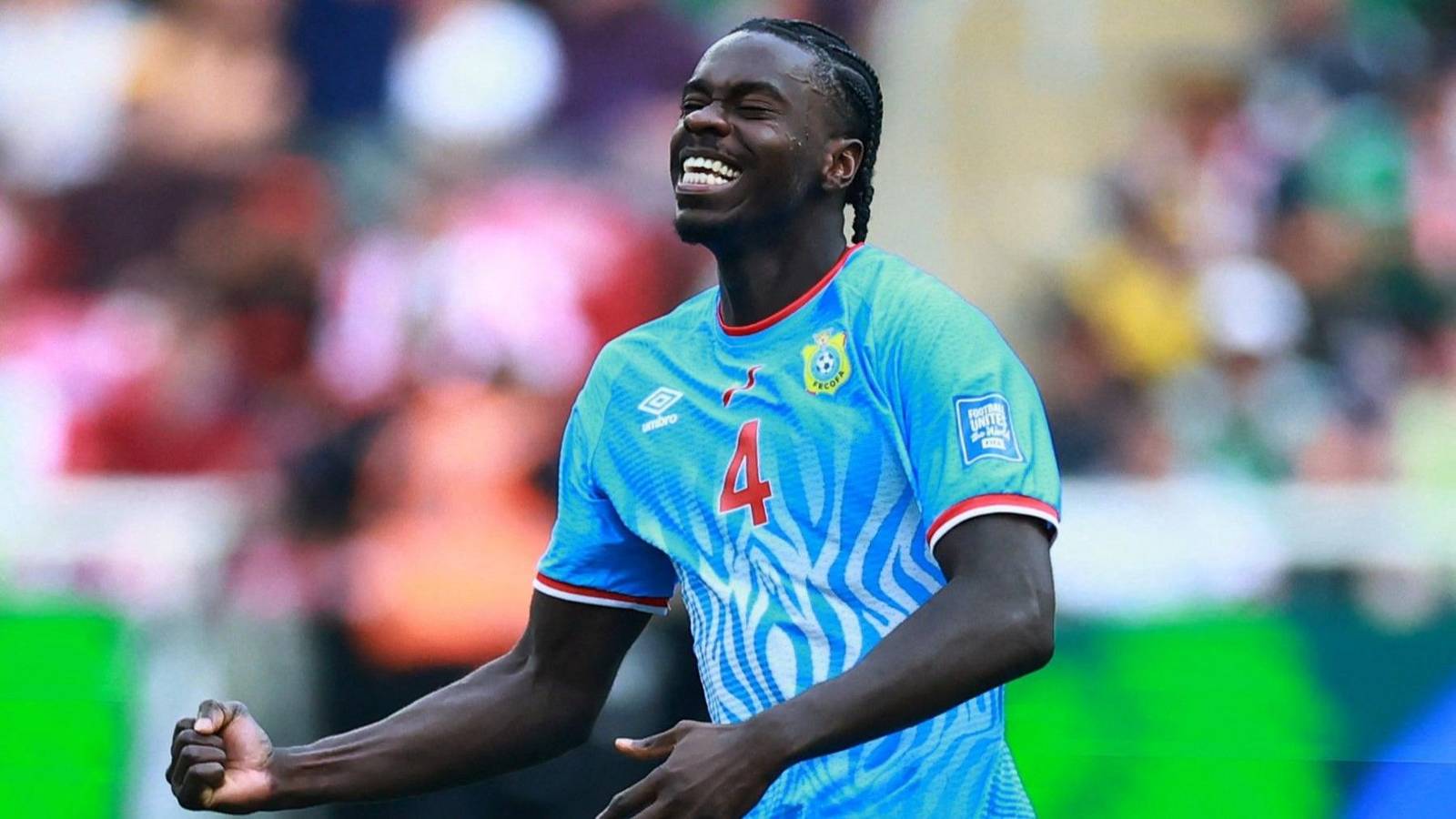
As the Democratic Republic of Congo’s national team, Les Léopards, faces England in a historic World Cup knockout match, defender Axel Tuanzebe has emerged as more than just a key player on the pitch. His participation in the tournament has served as a platform for an outspoken campaign to reshape how the global football community perceives African talent and infrastructure.
A Dual Identity
Born in Bunia, DR Congo, Tuanzebe moved to the United Kingdom at age four. Rising through the youth ranks of Manchester United, he built a successful career in the Premier League and with clubs such as Aston Villa and Ipswich Town. Despite representing England at the U21 level, Tuanzebe made the significant decision to switch his international allegiance to his country of birth in 2024. This move, he argues, is a deliberate act of purpose designed to encourage other diaspora players to reconnect with their heritage.
Advocacy and Infrastructure
In interviews surrounding the tournament, Tuanzebe has been vocal about the systemic challenges facing African football. “For too long, African football has been in the shadows and been disregarded,” Tuanzebe stated. He believes that by choosing to play for the DR Congo, he is helping to “level the playing field.” His advocacy focuses on the belief that high-profile players opting for African nations can force improvements in local facilities, training standards, and overall investment, ultimately creating a sustainable pathway for the next generation of talent on the continent.
Analysis: Beyond the Pitch
Tuanzebe’s stance highlights a growing trend among diaspora footballers who are increasingly prioritizing their cultural identity over the perceived career incentives of European national teams. This shift carries significant weight for the growth of African football. By lending his professional pedigree—honed in the elite English system—to the Congolese setup, Tuanzebe is attempting to bridge the gap between European professional standards and the developmental needs of African football associations. His mission is not merely symbolic; it is a strategic effort to ensure that Africa’s footballing future is dictated by its own talent, rather than by an outward drain to European systems.