


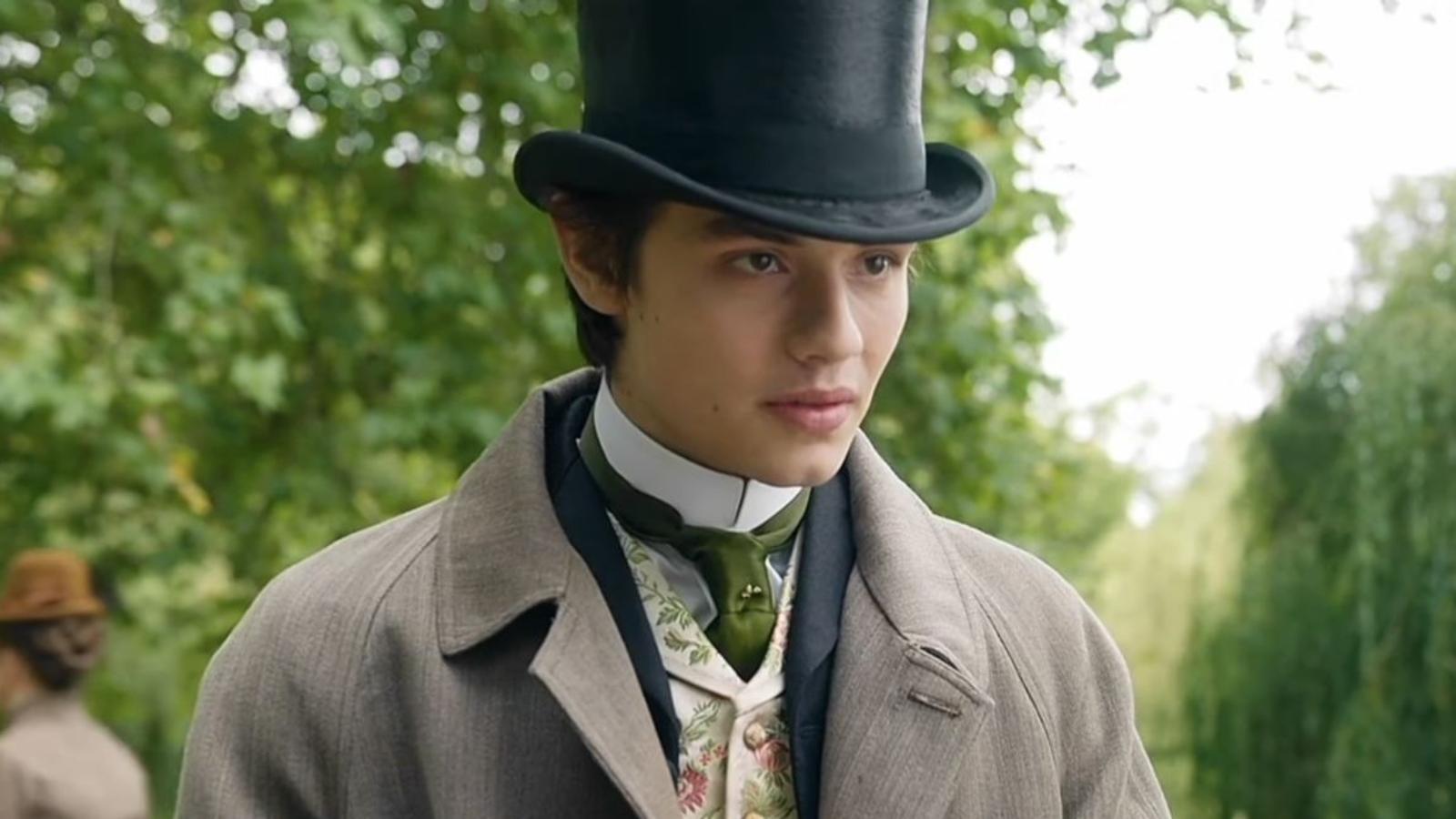
A New Chapter for Tewkesbury
With the release of Enola Holmes 3 on Netflix, the franchise—led by Millie Bobby Brown—shifts from its initial young-adult mystery roots toward a more complex exploration of personal identity and romantic stakes. Central to this evolution is Louis Partridge, returning as the Viscount Tewkesbury. According to promotional materials from Netflix, the third installment focuses heavily on the maturing relationship between Enola and Tewkesbury, moving beyond the lighthearted detective tropes of the previous films.
While the film’s narrative is propelled by the kidnapping of Sherlock Holmes (Henry Cavill), the core tension lies in Enola’s struggle to reconcile her independent detective career with the societal pressures of marriage. As Partridge noted in joint interviews, the pair’s dynamic has “matured” significantly, reflecting the growth of the actors themselves since the first film debuted in 2020.
The Stakes of Character Development
The film has received mixed critical reception, with the Times Union noting that while director Philip Barantini keeps the pace “amiably brisk,” the movie struggles to balance its disparate plot elements. However, the film finds emotional resonance in its supporting cast. Himesh Patel, who plays a reimagined Dr. John Watson, highlights a pivotal scene with Partridge as a thematic anchor. Patel describes the interaction as a “special moment” that addresses the legacy of British imperialism, providing a historical gravity that elevates the film beyond a standard mystery.
Behind the scenes, the camaraderie between the leads remains a focal point for the franchise’s marketing. In a recent interaction with Entertainment Weekly, Partridge shared an anecdote about a disastrous past audition, drawing a candid “secondhand ick” reaction from Brown. Such moments of off-screen chemistry are vital for a franchise that relies heavily on the audience’s investment in the central relationship.
Analysis: The Future of the Franchise
The success of Enola Holmes 3 rests on its ability to transition into a more character-focused drama. By allowing Tewkesbury to evolve from a romantic foil into a partner who challenges Enola’s worldview, the series attempts to broaden its appeal. The inclusion of complex thematic elements—such as Patel’s exploration of his character’s identity as a British Indian Watson—suggests that the producers are keen to move away from the light, stylized aesthetic of the early films toward a more grounded, socially conscious narrative. Whether this shift will sustain a fourth installment remains to be seen, as the cast has yet to confirm future projects in the series.