


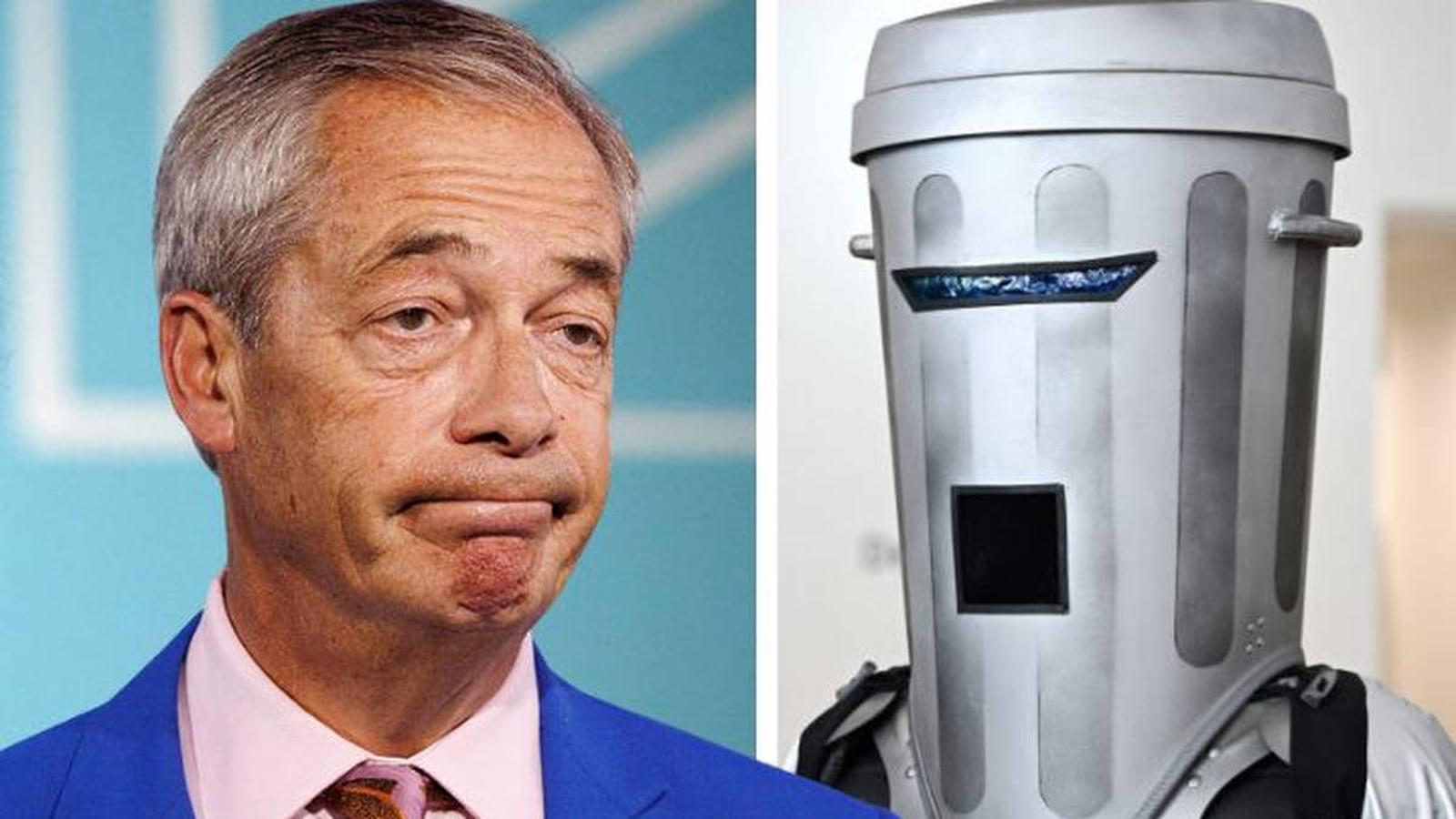
A Political Boycott in Clacton
Nigel Farage, the leader of Reform UK, has resigned as the Member of Parliament for Clacton, triggering a by-election he characterizes as a “people versus the establishment” contest. However, the move has been met with a coordinated boycott by the UK’s major political parties. Labour, the Conservatives, the Liberal Democrats, and the Greens have all confirmed they will not field candidates, labeling the snap election a “circus” and a “fake” event designed to distract from a parliamentary standards investigation into Farage’s finances.
As of Wednesday, the only confirmed challenger to Farage is the satirical candidate Count Binface, the persona of comedian Jonathan David Harvey. The by-election was prompted by intense scrutiny over undeclared gifts and donations, including a £5 million contribution from donor Christopher Harborne and alleged funding for security and staffing from ally George Cottrell.
The Standards Investigation and Legal Hurdles
The core of the controversy lies in whether Farage used his resignation to effectively pause the ongoing parliamentary investigation into his personal finances. By stepping down, Farage has temporarily suspended the probe, though legal experts and political rivals suggest it could resume should he be re-elected. Furthermore, Farage’s claim that Reform UK would fund the by-election has been challenged by the Ministry for Housing, Communities and Local Government (MHCLG), which clarified that electoral costs must be met from public funds, rendering any private party funding for the process illegal.
Conservative leader Kemi Badenoch stated, “We will not be standing a candidate in this fake by-election that Farage is causing to distract people from what is happening.” Similarly, the Liberal Democrats denounced the move, calling Farage a “Temu Trump” and urging the government to block the resignation until the standards inquiry is resolved.
Analysis: The Strategy of ‘The Circus’
The decision by major parties to stand aside represents a significant strategic gamble. By refusing to participate, Labour and the Conservatives are attempting to deny Farage the platform of a high-profile political battle, effectively starving the event of the legitimacy required for his “anti-establishment” narrative to gain traction. Instead, they are positioning the by-election as a transparent attempt to evade accountability.
The inclusion of Count Binface—a recurring satirical figure in British politics—adds a layer of absurdity that underscores the parties’ characterization of the event. While Binface’s candidacy is performance art, his presence as the sole challenger highlights the vacuum left by the major parties. For Farage, the risk is that the lack of serious opposition will make the election look less like a mandate from the people and more like an isolated stunt, potentially alienating voters in Clacton who are increasingly wary of Westminster’s focus on personality-driven politics rather than local constituent needs.